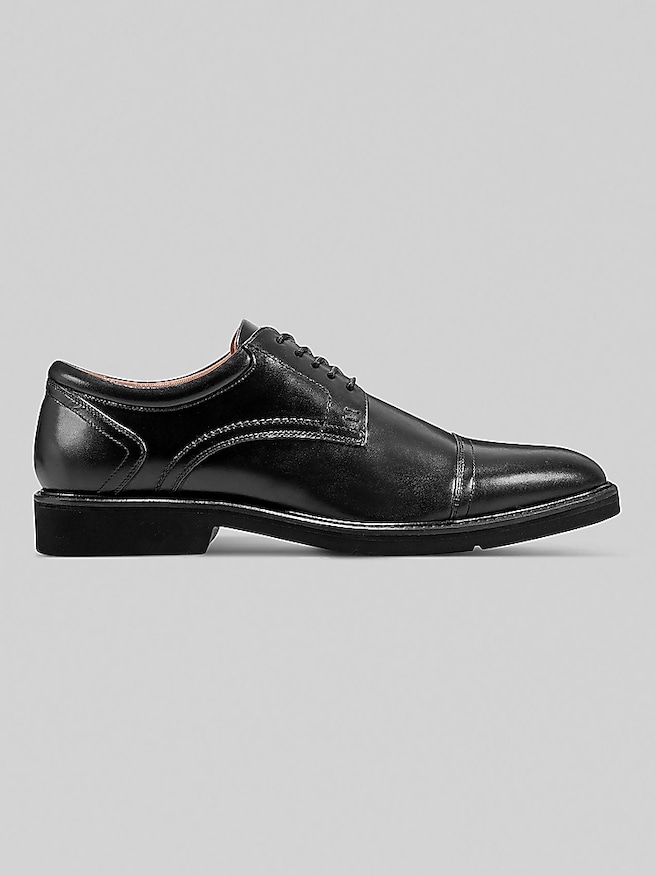
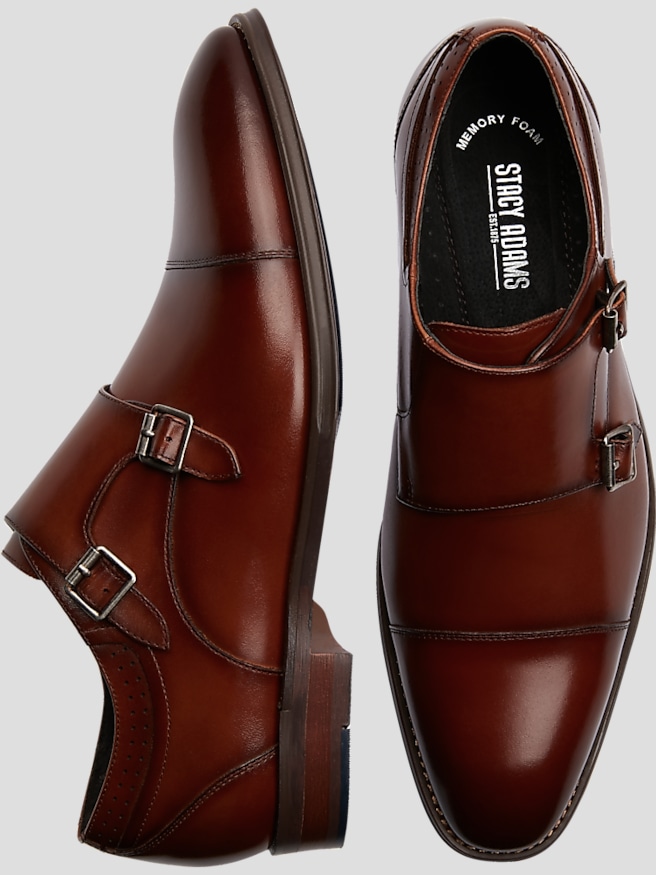
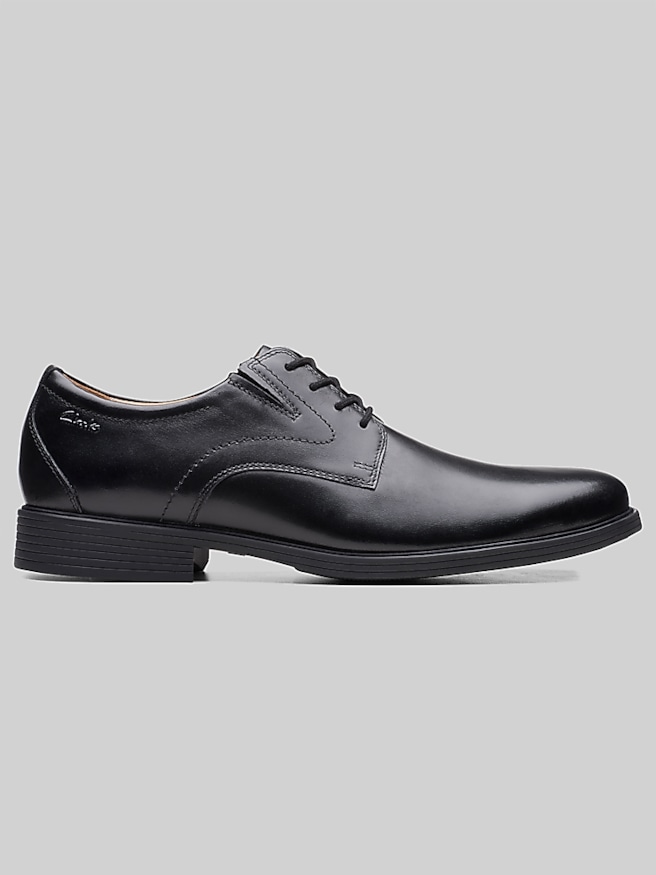
Men’s dress shoes for orthotics combine a polished appearance with interior space that can accommodate a supportive insert without crowding the foot. Useful features include removable insoles, adequate depth, a secure heel counter, and an adjustable closure, although the right combination depends on the orthotic’s shape and the wearer’s feet. An orthotic occupies space inside a shoe, so fit involves more than the size printed on the box. The toe box needs enough room for the toes to rest naturally, while the midfoot should feel secure rather than compressed. At the back, the heel should remain seated without excessive lifting or pressure against the collar. A removable factory footbed can create space for an insert, but its removal alone does not guarantee compatibility: the shoe must also have suitable depth, width, and internal contours. For a closely related category, men’s dress shoes with removable insoles offer a useful starting point when an orthotic needs to replace the original footbed. Full-length inserts extend beneath the entire foot, while shorter designs leave more of the forefoot area uncovered, and each can affect fit differently. Simply choosing a longer shoe to gain room may allow the foot to slide or place the shoe’s flex point too far forward. Width and depth are often more relevant considerations. Lace-up designs allow some adjustment over the instep, which can be helpful when an insert changes how high the foot sits inside the shoe. Slip-on designs depend more heavily on a close match between the opening, instep, and heel. For someone moving between a desk, conference rooms, and a standing presentation, these fit details matter as much as the shine of the upper. Orthotic compatibility is not the same as a medical benefit, and dress shoes should not be assumed to correct a foot condition simply because an insert fits inside them. When an orthotic has been prescribed, guidance from the treating professional remains important for shoe selection and wear.
The appearance of orthotic-compatible dress shoes can range from restrained office styling to more distinctive details suited to celebrations and business gatherings. Smooth leather uppers offer a traditional finish that pairs naturally with tailored trousers, while textured leather can add visual depth without relying on a prominent pattern. Suede has a softer, less formal character, making it a natural companion for chinos, dress trousers, and a sport coat when the occasion allows. Synthetic uppers vary in flexibility, breathability, and upkeep, so material descriptions matter more than broad assumptions about performance. Whatever the material, an upper that bends comfortably at the forefoot is generally more practical than one that presses across the toes with every step. Leather may soften with wear, but it should not be expected to stretch enough to resolve a crowded toe box or make an incompatible orthotic fit. Interior construction deserves equal attention. Smooth linings, neatly finished seams, and a stable surface beneath the insert can help limit distracting pressure and movement. A firm heel counter can help maintain the shoe’s shape around the rear of the foot, while a sole that flexes near the ball of the foot supports a more natural walking motion. Rubber outsoles may provide useful traction and cushioning, depending on their design; leather outsoles offer a traditional dress finish but can feel firmer underfoot. Neither material alone establishes how supportive or comfortable a shoe will be. For office days, interviews, weddings, and formal dinners, the overall silhouette also helps determine how well a pair works with the rest of an outfit. Black leather creates a crisp pairing with charcoal or dark formal tailoring, while brown tones complement many navy and gray combinations. Broguing and other decorative details bring a more relaxed character. A balanced profile can preserve a tailored look without relying on an overly narrow shape that leaves too little room for the foot and insert.
Everyday usefulness comes from how the shoe, orthotic, and foot function together over the course of an actual occasion. A pair that feels acceptable while seated may reveal heel movement, forefoot pressure, or rubbing during a walk down a long hallway. Fit is therefore best assessed with the intended orthotics and the type of socks normally worn with dress clothing. Thin dress socks and thicker cushioned socks occupy different amounts of space, which can noticeably change the feel across the instep. The insert should sit securely and lie as intended rather than rocking, curling at an edge, or shifting forward. Adding an orthotic on top of an existing insole can reduce interior room, so that arrangement should follow the insert’s instructions or professional advice rather than an assumption that extra layers mean extra comfort. New pressure points, numbness, or persistent discomfort are reasons to reassess the combination, not signs that a shoe simply needs more wear. Durability also depends on construction and upkeep. Secure stitching, well-attached soles, and uppers that retain their shape help dress shoes withstand repeated use, while repairability depends on how the sole and upper are joined. Shoe trees can help leather uppers maintain their form between wears, and allowing shoes to air out helps manage moisture from daily use. Smooth leather generally benefits from gentle cleaning and an appropriate conditioner or polish; suede needs material-specific brushing and care. Orthotics may require separate cleaning methods, especially when their covers, adhesives, or molded components could be damaged by soaking or direct heat. Clean, well-kept shoes make a more finished impression with tailored clothing, whether the setting is a client meeting or a family ceremony. They can also be a thoughtful gift for someone who wears orthotics and regularly dresses for work or special events, provided the wearer participates in confirming fit. The most successful pairing leaves room for the prescribed or preferred insert, holds the foot securely, and complements the wardrobe without asking appearance to substitute for comfort.