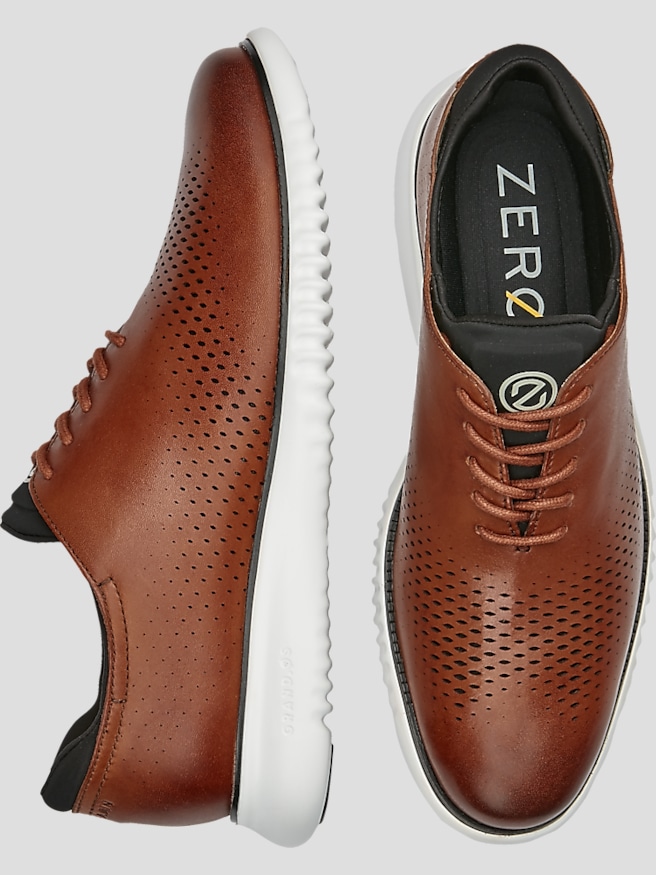
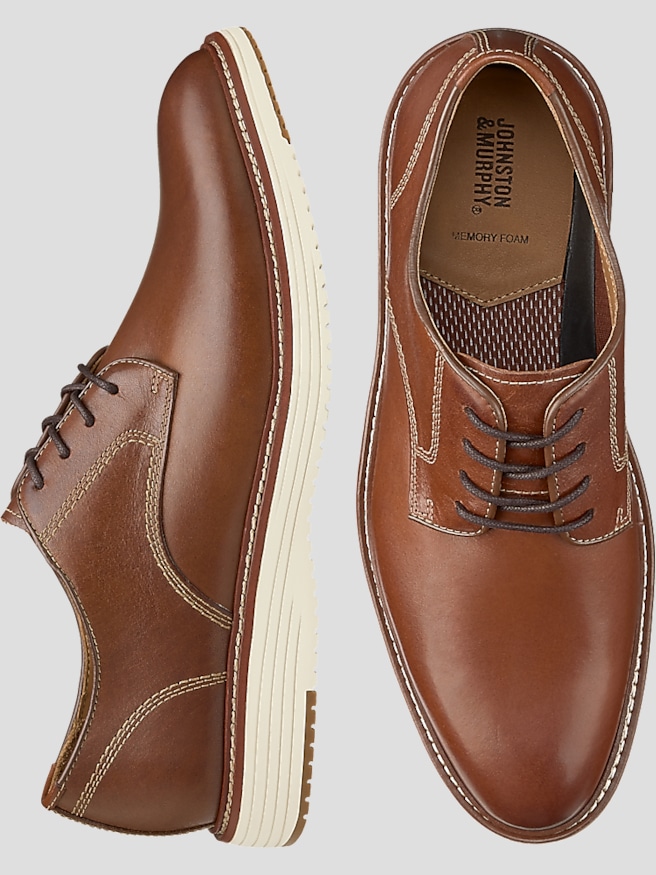
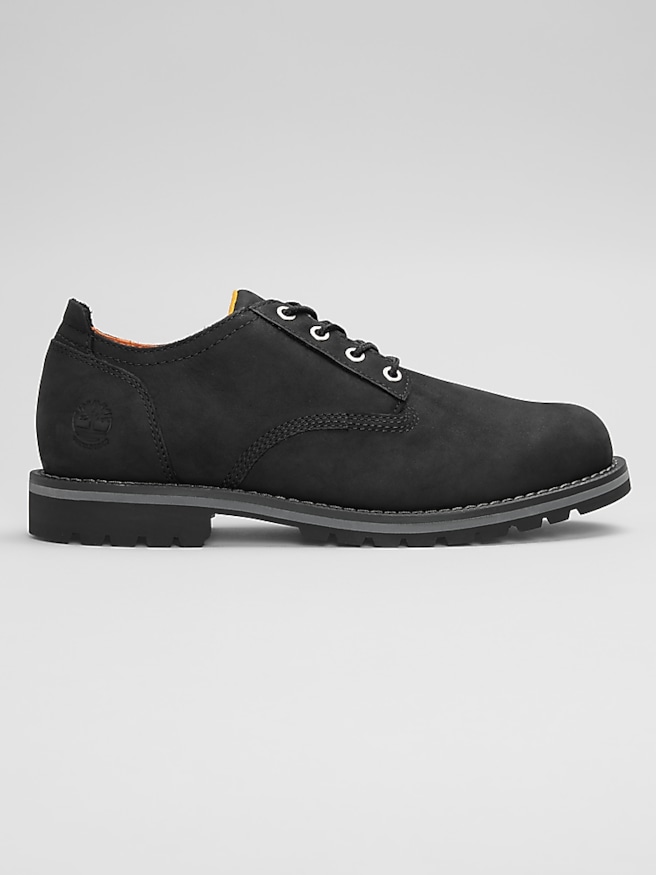
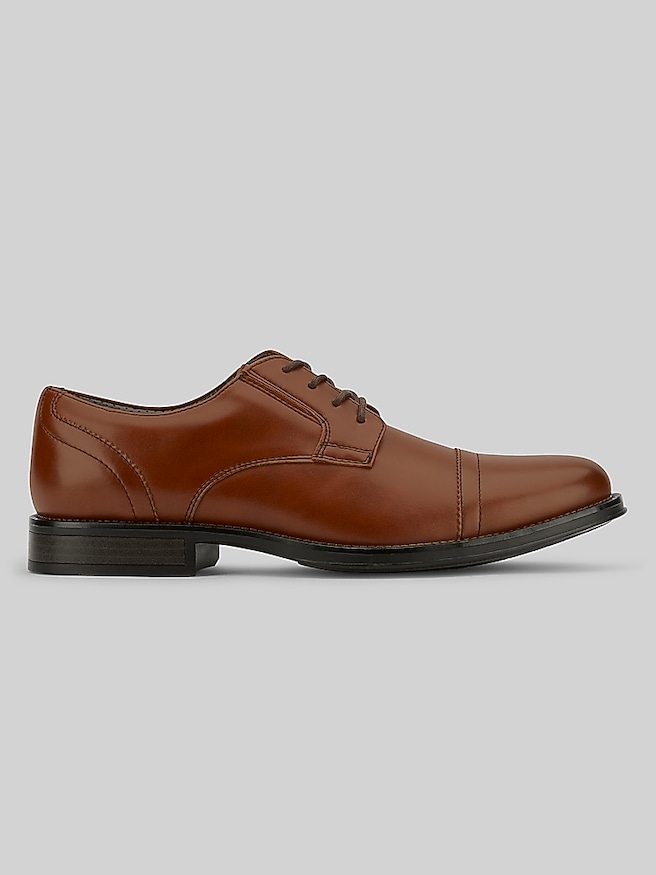
Men’s designer Oxfords bring a polished sense of proportion and craftsmanship to the occasions when ordinary footwear will not quite do. Defined by a closed-lacing system, Oxfords have a clean, refined shape that works especially well with tailored clothing, from a traditional business suit to a sharply cut dinner jacket. Designer interpretations may feature smooth calfskin, supple suede, patent leather, or carefully finished full-grain leather, with details that reveal themselves gradually: a narrow waist, a softly rounded or elongated toe, a subtle burnished finish, or an outsole shaped to follow the natural line of the foot. A cap-toe Oxford, marked by a horizontal seam across the toe, remains one of the most dependable choices for formal business settings, weddings, presentations, and evening events. A whole-cut style, made from a single piece of leather, offers a sleek, uninterrupted appearance that feels especially at home with minimalist tailoring. Brogue and wingtip Oxfords add decorative perforations and patterned edges, giving a little more visual character while remaining dressy enough for many offices, ceremonies, and smart social gatherings. Color also influences the impression: black carries a crisp, authoritative formality, while brown, burgundy, and burnished shades can bring warmth and depth to navy, gray, tan, and textured suits. For a versatile foundation, explore Men's Black Oxfords, then consider whether a richer tone or more decorative finish would complement the rest of the wardrobe.
When selecting men’s designer Oxfords, pay attention to the details that affect both appearance and daily comfort. The upper should feel smooth and substantial without being stiff, and the leather should show an even finish with neat stitching around the toe, quarters, and welt. A well-constructed shoe often has a firm heel counter, a supportive arch, and a sole designed to provide traction without appearing bulky beneath tailored trousers. Construction methods vary, and features such as a welted sole, stitched leather outsole, or carefully finished rubber sole can influence durability, flexibility, maintenance, and price. A leather sole has an elegant profile and can develop a handsome patina with wear, while a rubber sole may be more practical for commutes, wet pavement, and cooler months. Fit is equally important. Oxfords should hold the heel securely, allow the toes to lie flat, and feel comfortably snug across the instep without pressure or pinching. Because leather can soften and mold slightly with use, a close, supportive fit is preferable to a loose shoe that allows the foot to slide. Try them on with the socks normally worn for dress occasions, preferably later in the day when feet have naturally expanded. Small differences in toe shape, width, and lacing can change the feel considerably, so the most stylish silhouette is ultimately the one that lets you stand, walk, and move with confidence. Higher-end designer footwear may reflect hand-finishing, carefully selected hides, and more involved construction, placing many luxury styles in an investment range from several hundred dollars to well above one thousand. That cost can make sense for someone who expects frequent wear and values repairability, distinctive finishing, and a shoe that becomes more personal over time, though an attractive design with reliable construction can serve just as well for occasional formal use.
Designer Oxfords are useful for more than a single dress code. A sleek black pair can anchor a dark suit for a wedding, formal dinner, graduation, or important workday, creating the quiet finishing touch that makes the entire outfit look intentional. Brown or burgundy styles can soften a gray or navy suit, while brogue detailing adds interest to tweed, flannel, windowpane, and other textured fabrics during the cooler months. At the office, a refined Oxford can move easily from a morning commute to a client meeting and an evening reception; at a ceremony, it complements the clean lines of a well-fitted suit without competing with the wearer’s personal style. They also make a thoughtful gift for a graduate beginning a first professional wardrobe, a groom preparing for formal celebrations, or anyone stepping into a role that calls for a more polished appearance. A useful gift choice usually balances the recipient’s habits with the occasion: a classic shape and versatile color suit someone building from the ground up, while a distinctive whole-cut, burnished finish, or decorative brogue can appeal to a confident dresser who already owns everyday staples. Proper care helps designer Oxfords retain their shape and finish. Use a shoehorn to protect the heel, alternate pairs to give leather time to rest, and place cedar shoe trees inside after wear to absorb moisture and reduce creasing. Brush away dust, condition smooth leather sparingly, and use polish that matches or complements the original color. Keep suede away from unnecessary moisture and treat patent leather with products made for its glossy surface. As the weather warms, lighter socks and breathable linings can make dress shoes more comfortable, while during rainy days and cooler months, a weather-conscious sole and regular conditioning help preserve their appearance. With the right fit, thoughtful care, and a silhouette suited to the wardrobe, men’s designer Oxfords can become the pair reached for when an outfit needs to look composed from the ground up.