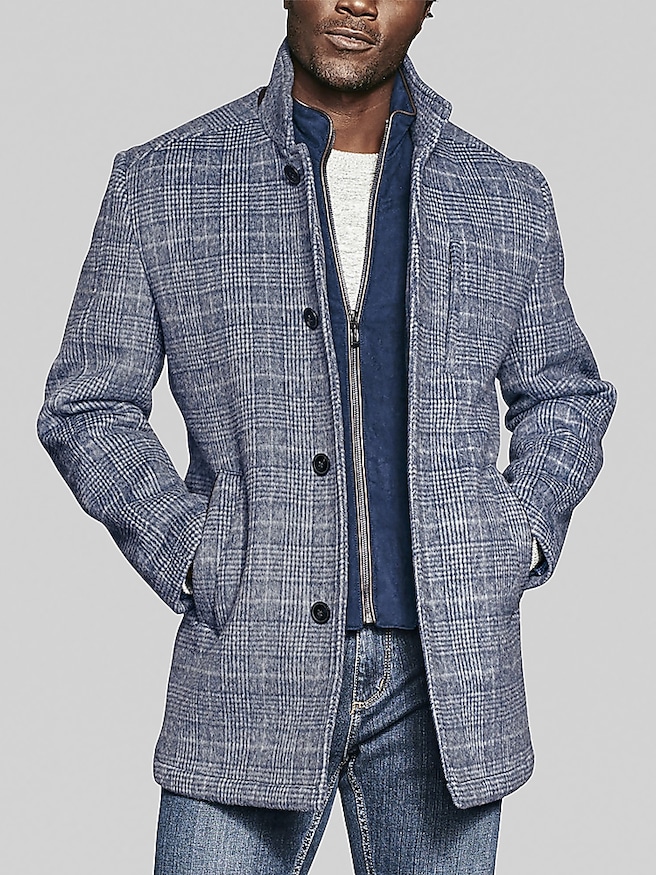
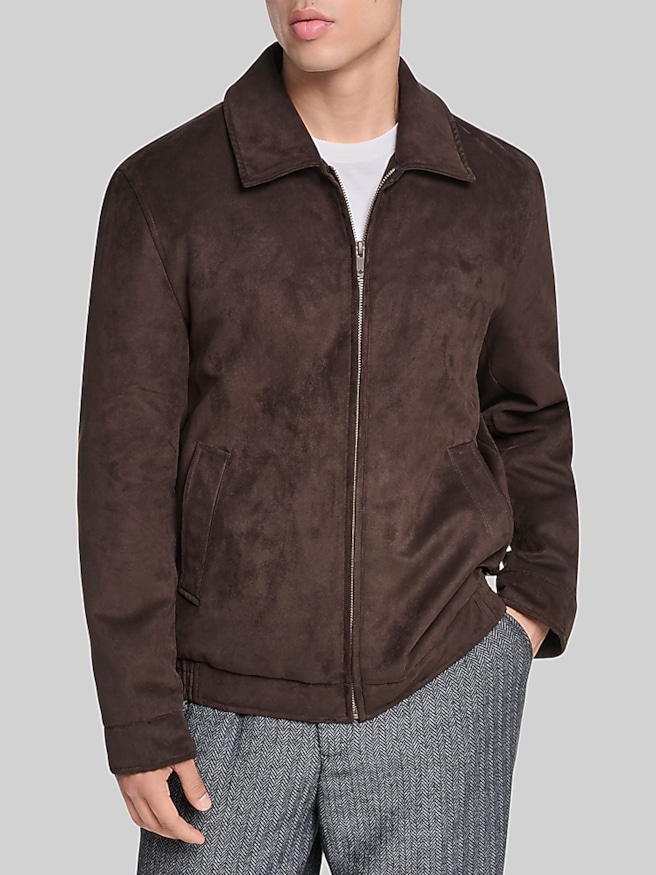
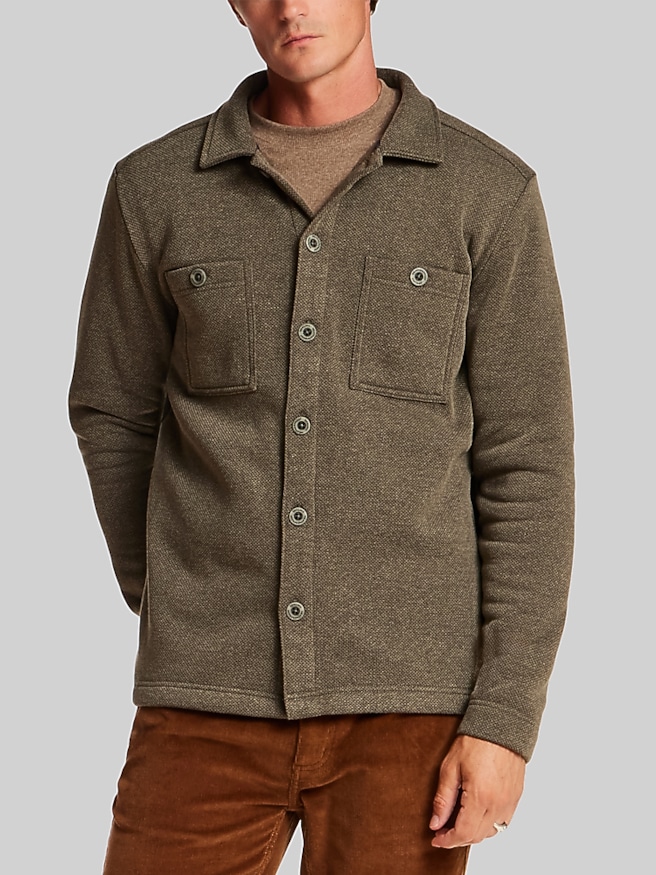
Men’s cotton twill Harrington jackets bring a clean, compact shape to layered outfits without the bulk or formality of a tailored jacket. The appeal starts with the fabric: twill is woven with a diagonal pattern that gives cotton visual depth and a substantial hand, even when the surface looks smooth from a distance. Compared with a crisp dress-shirt fabric, a cotton twill shell generally feels more structured, helping the jacket hold its outline over a T-shirt, polo, or fine-gauge sweater. Fabric weight still matters, and so does construction. A lighter shell tends to drape closer to the body, while a denser twill can create a firmer line across the shoulders. An unlined design keeps the interior simple; a lined version may slide more easily over shirt sleeves, depending on the lining material. Neither construction is automatically the better choice for layering. The balance depends on what sits underneath and how much structure feels comfortable. The familiar Harrington shape often includes a zip front, a short stand collar, and fitted cuffs or a fitted hem, though details vary by design. Together, those elements create a neat outline that works well with casual trousers and denim. A collar worn open frames an Oxford shirt without competing with it, while a zipped front can make a plain crewneck look more finished. For a day that moves from a desk to a neighborhood restaurant, that balance of relaxed fabric and defined shape is especially useful. Cotton’s breathability adds to its everyday appeal, but the shell alone does not determine how a jacket feels; lining, fabric density, and the layers beneath it all contribute. Twill also provides texture without requiring a bold pattern, making it easy to combine with familiar shirts, knits, and pants.
A comfortable layering fit leaves space through the chest and upper arms without making the jacket look oversized. Shoulder seams should sit near the natural shoulder line unless the design intentionally has a relaxed cut, and the front should close without pronounced pulling across the chest or stomach. Enough room to reach forward, sit at a table, or carry a bag makes a noticeable difference in daily wear. Trying the fit over the kind of layer usually worn underneath gives a more useful impression than judging it over a thin undershirt alone. A fine cotton sweater needs less room than a thick textured knit, and a button-down adds its own fabric through the sleeves and torso. The Harrington’s typically shorter length also affects the proportions of the whole outfit. A hem near the waist or upper hip keeps the shape distinct from a longer field jacket, while mid-rise trousers can create a balanced line beneath it. A little shirt hem showing below the jacket can look relaxed; a tucked shirt keeps the outline cleaner when the occasion calls for it. Navy with stone chinos, olive with dark denim, or tan with charcoal trousers shows how straightforward color combinations let the fabric and fit do the work. Texture offers another way to add interest: a smooth knit beneath twill feels understated, while an Oxford shirt brings a slightly more defined collar and surface. Low-profile sneakers, loafers, or simple leather boots can shift the same combination toward a casual lunch or an informal evening out. Cotton twill Harrington jackets also sit naturally alongside Unlined Shirt Jackets For Layering in a wardrobe built around easy combinations. The Harrington generally provides a more defined waist and zip-front shape, while a shirt-jacket silhouette offers a straighter alternative. Both work best when the layers have enough room to move without bunching.
Everyday durability depends on more than the twill weave. Fabric weight, seam construction, pocket reinforcement, and the quality of the zipper all contribute to how a jacket handles repeated wear. Neat stitching around pocket openings and securely finished cuffs are useful details because those areas see frequent contact. Cotton can develop a softer feel and natural creasing with use, which suits the Harrington’s casual character; a sharply pressed finish is not necessary for the jacket to look well kept. Care should follow the garment label rather than assumptions about cotton alone. A washable shell may be combined with a lining, trim, or internal construction that requires another cleaning method. When machine washing is permitted, the specified water temperature and drying method help limit unwanted changes in size, color, and shape. Cotton can shrink under unsuitable washing or drying conditions, so high heat is not a shortcut to a better fit. Small marks may respond to gentle spot cleaning when the care instructions allow it, and checking a concealed area first helps protect the finish. Heavy pocket contents can distort the outline, especially on lighter fabrics, so keeping bulky objects in a bag helps preserve the jacket’s shape. A broad hanger supports the shoulders between wears, while allowing the jacket to dry fully before storage helps keep it fresh. These practical qualities also make a cotton twill Harrington a thoughtful gift for a father, brother, partner, or friend who favors understated casual clothing. Familiar colors and an understanding of the recipient’s usual layers are more useful than guessing at an especially close fit. Whether worn over a polo for a family gathering, paired with a knit for dinner, or kept near the door for everyday outings, the lasting appeal is the same: a recognizable silhouette, tactile fabric, and enough flexibility to feel like part of a personal wardrobe rather than an outfit reserved for one occasion.