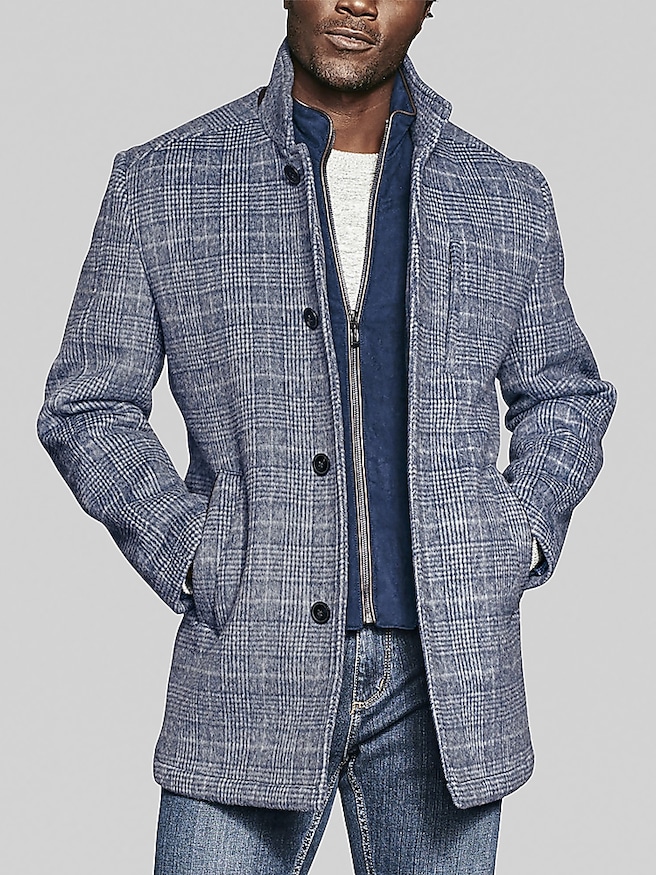
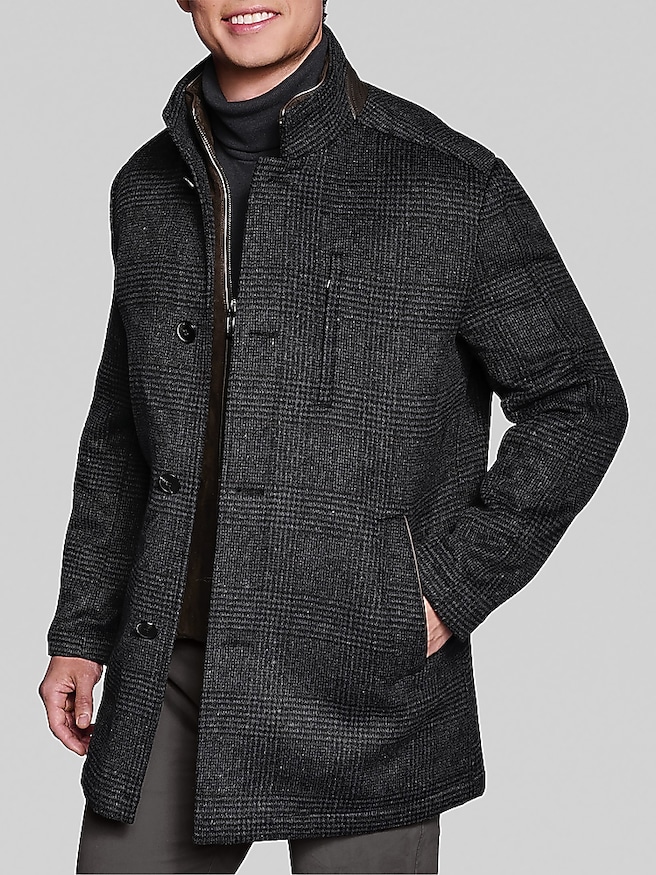
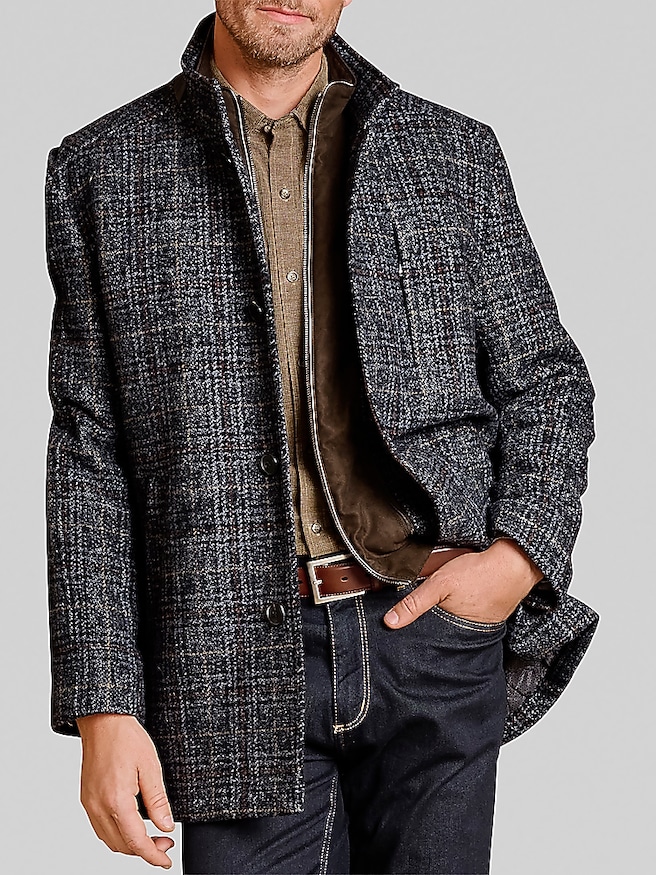
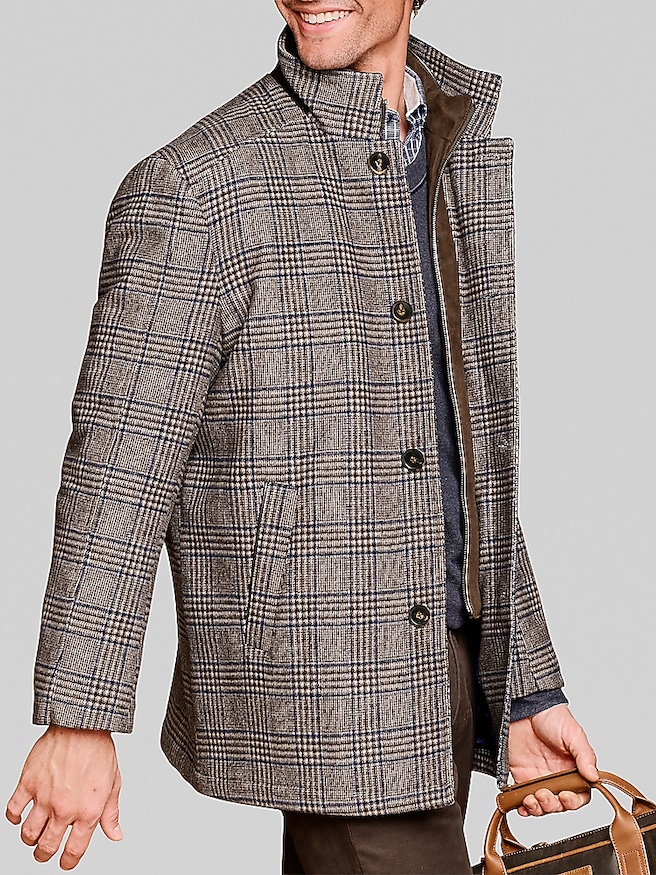
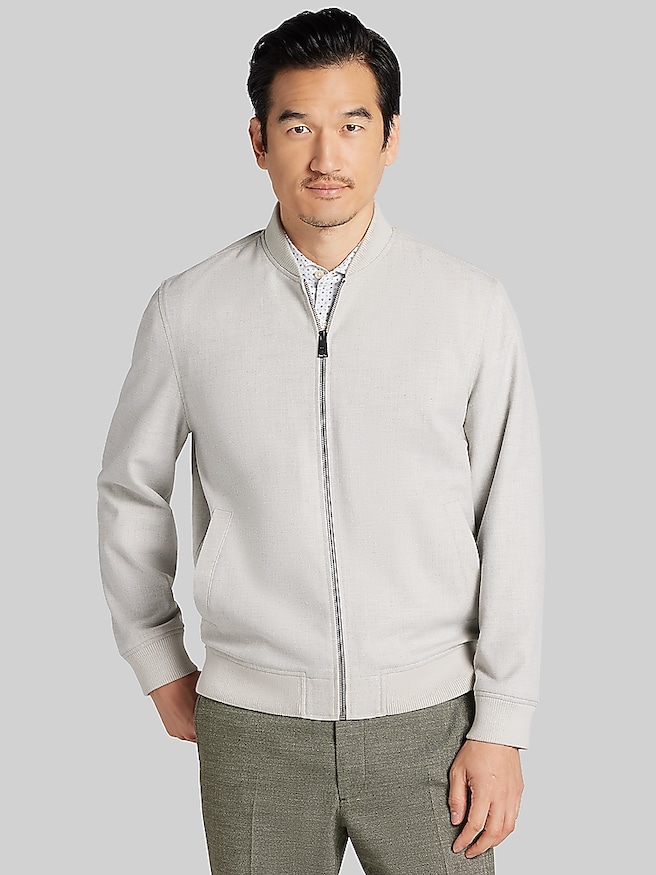
Men’s lightweight layering jackets add structure and an extra measure of comfort without the bulk of a heavily insulated coat. Designed to work over everyday shirts and beneath roomier outerwear, these jackets bridge the space between a shirt and a substantial outer layer. Their usefulness comes from a balance of fabric weight, freedom of movement, and a shape that looks intentional when worn open. A lightly constructed jacket can finish a polo and chinos for an office with a relaxed dress code, sharpen a T-shirt and jeans for dinner, or provide a convenient layer for a day that moves from a commute to an evening out. Lightweight does not describe one fabric or silhouette; it can include an unlined woven jacket, a soft knit full-zip, or a lightly quilted design with restrained padding. Each creates a distinct look and feel, so fabric and construction matter as much as the name of the style. Cotton twill has a familiar, substantial hand and a matte surface that pairs easily with denim. Nylon and polyester fabrics can provide a smoother, less bulky shell, although breathability, stretch, and moisture resistance depend on the weave and any applied finish. Knit constructions offer flexibility and a softer drape, while a small amount of elastane can help woven blends move with the body. A lining may make a jacket easier to slide over long sleeves, while an unlined construction can reduce weight and give it a more relaxed feel. For a waist-length silhouette with a close-fitting collar and a defined hem, men’s lightweight bomber jackets bring a recognizable shape to simple outfits. Shirt-style jackets tend to look more relaxed, and clean zip-front designs can feel understated enough for casual office settings. The useful distinction is how the jacket sits over the clothing beneath it: light enough to layer comfortably, but structured enough to function as a finished part of the outfit.
Fit determines whether a lightweight jacket feels versatile or restrictive. The shoulders should sit comfortably without pulling across the upper back, and the body needs enough room for the layers it will cover. A jacket worn mainly over a T-shirt can have a closer profile than one intended for an Oxford shirt and a fine-gauge sweater. Slim fits generally follow the torso more closely, while regular fits often leave additional room through the chest and waist; the actual cut still varies by design. With the front fastened, the fabric should lie smoothly rather than strain at the zipper or buttons. Everyday movements reveal more than a standing pose: reaching toward a desk, settling into a car seat, or bending to pick up a bag should not cause persistent binding through the shoulders or upper arms. Sleeve length matters, too, especially when several layers meet at the wrist. Cuffs that stay near the wrist without covering the hands help keep the outfit neat, while adjustable tabs or ribbed finishes can hold sleeves in place. Jacket length changes the proportions of an outfit. A shorter hem creates a clear break above the hips and works naturally with mid-rise trousers; a slightly longer cut offers more coverage over untucked shirts. Smooth fabrics, subtle hardware, and minimal pocket detailing pair easily with tailored casual pants and leather sneakers. More pronounced texture, patch pockets, or visible stitching lean toward denim, chinos, and boots. Navy, charcoal, olive, and tan offer flexible starting points, with contrast between the jacket and pants helping each layer remain distinct. A lightweight layering jacket can also make a practical gift for a father, brother, partner, or friend whose routine includes casual office days, travel, or frequent evenings out. Familiarity with the recipient’s usual jacket size, preferred fit, and everyday clothing makes the choice more personal than relying on color alone.
Details that seem small on a hanger often make the biggest difference in regular use. A front zipper allows quick adjustments and creates a clean vertical line, while a snap or button front gives the jacket a more shirt-like character. A two-way zipper, when part of the design, can open from the bottom to provide extra room while sitting. Pocket placement affects both convenience and appearance: angled hand pockets are easy to reach, chest pockets add visual structure, and an interior pocket can keep small essentials separate. Heavy phones and overfilled pockets can pull a lightweight shell out of shape, so pocket size and reinforcement deserve attention. Durability depends on more than thickness. Even stitching, secure pocket corners, firmly attached fasteners, and neatly finished seams help a jacket stand up to repeated wear. Closely woven fabrics may resist snagging better than looser constructions, but no fabric is immune to abrasion from rough surfaces or heavily loaded bag straps. Care requirements are another practical consideration, particularly for a jacket worn several times between wardrobe changes. The care label takes priority because the shell, lining, insulation, and trim may require different handling. Some constructions allow machine washing, while others call for professional cleaning. Excessive heat can affect certain fibers, finishes, and stretch components, making the recommended drying method important. Prompt attention to small marks, gentle handling of closures, and storage on a supportive hanger can help preserve the shape and finish. For travel, a low-bulk jacket is easier to carry than a substantial coat, though tightly compressing structured collars or padded sections may leave creases. A smooth lining and restrained detailing also make it easier to layer beneath another garment without bunching. The lasting appeal of a men’s lightweight layering jacket is its everyday usefulness: a comfortable fit, manageable care, and enough structure to pull familiar shirts, pants, and shoes into a complete outfit.