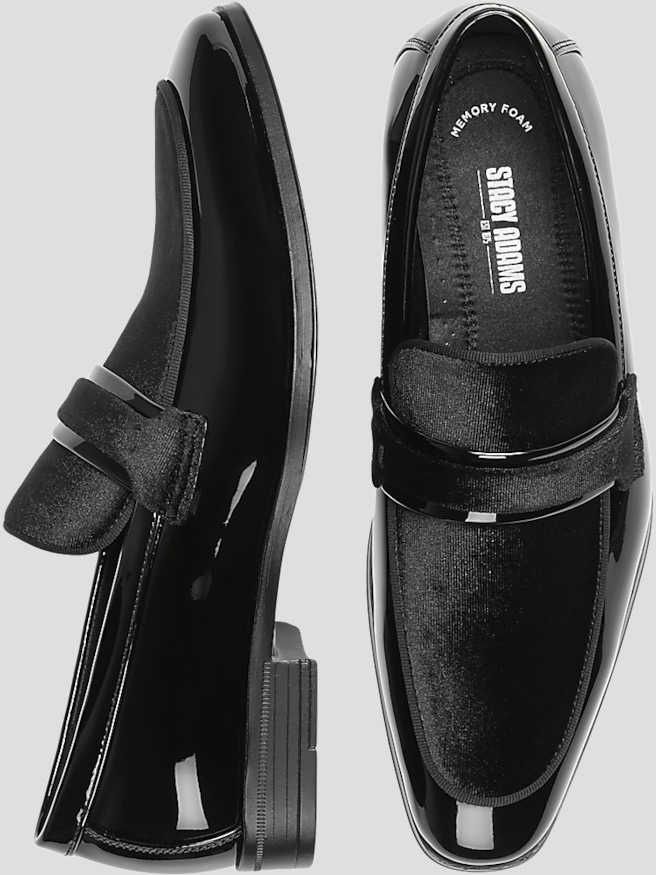
Men's cool loafers combine the ease of a slip-on shoe with details that give an outfit character: a clean leather vamp, a neatly stitched apron toe, a subtle tassel, or a polished metal accent. Loafers are low-cut, laceless shoes, and their distinctive shape can feel relaxed or refined depending on the material, construction, and proportions. Penny loafers have a slotted strap across the upper that creates a familiar, understated look. Tassel loafers add movement and texture, while bit loafers introduce a metal detail that can complement a belt buckle or watch. A plain-vamp design keeps the emphasis on the silhouette and finish. None of these styles needs an elaborate outfit to make an impression. A rich brown loafer beneath navy trousers, for example, provides contrast without pulling attention away from the rest of the clothing. Black leather creates a sharper visual line with charcoal pants, while suede softens the look of chinos or dark denim. Smooth leather can develop creases and a patina with wear, giving the shoe an individual appearance rather than keeping it perfectly uniform. Suede has a brushed surface that absorbs light and adds depth, making even a simple shape feel distinctive. Embossed leather and textured finishes introduce another layer of detail, although an otherwise restrained outfit often gives those surfaces the clearest setting. The appeal of Mens Loafer Shoes lies in this balance between recognizable design and personal expression. A rounded toe generally reads as easygoing and traditional; a gently tapered toe can look more streamlined alongside tailored pants. Sole thickness changes the impression, too. A slim sole keeps the profile close and dressy, while a more substantial sole adds visual weight that works with fuller trousers. The most convincing look comes from proportions that relate to the clothing, rather than a detail that stands apart simply for the sake of being noticed.
Fit matters especially with loafers because there are no laces to adjust the upper around the foot. A well-fitting pair should hold the heel securely, support the foot across the instep, and leave enough space for the toes to rest naturally. Slight movement at the heel can occur as a new sole begins to flex, but repeated slipping or a heel that lifts noticeably with every step can signal a mismatch in size or shape. Tight pressure across the top of the foot is not the same as a secure fit, and pinched toes are not something to accept in the hope that the shoe will stretch. Leather may soften and conform with use, but the underlying shape and length remain important. Trying loafers with the type of socks intended for everyday wear gives a more realistic sense of fit. Fine dress socks take up less space than thick casual socks, while low-cut liners can create an exposed-ankle look without putting bare skin directly against the lining. Interior details deserve attention as well: smooth seams, a comfortable heel lining, and cushioning beneath the foot can make a difference during a commute, a presentation, or a reception with plenty of standing. Sole material also affects the experience. Leather soles offer a traditional appearance and can feel firm initially; rubber soles often provide more grip and cushioning, depending on their design. A flexible forefoot can help the shoe move naturally through a step, while a stable heel keeps the base from feeling uncertain. Durability depends on more than the upper material alone. Even stitching, firmly attached soles, finished edges, and reinforcement in high-contact areas all contribute to how a loafer holds up. Some stitched constructions allow professional resoling, though repair options depend on the individual construction and its condition. A shoe that suits the actual routine—mostly seated office work, regular walking between appointments, or occasional dressed-up events—is more useful than one chosen only for its appearance.
Loafers work particularly well where an outfit needs polish without the formality of a lace-up dress shoe. With tailored trousers and a sport coat, smooth leather can look composed enough for many business-casual offices, dinner reservations, and wedding celebrations with an appropriate dress code. Suede paired with chinos and a textured knit creates a softer combination, while dark denim with a clean hem lets the shoe's shape remain visible. Trouser length has a noticeable effect: fabric that pools over the upper can hide the defining details, whereas a modest break keeps the outline clear without making the pants look unintentionally short. Socks can either continue the color of the trousers for an uninterrupted line or add a restrained pattern that appears when seated. Matching every leather accessory exactly is unnecessary, but keeping their tones compatible helps the outfit feel considered. A dark brown belt with brown loafers is an easy pairing; black footwear generally looks most cohesive with similarly dark accessories. For someone building a dependable wardrobe, a restrained shape and familiar color can serve several settings, while tassels, contrast stitching, or a pronounced sole offer more individual expression. Loafers can also make a thoughtful gift for a graduate, a partner starting a new role, or someone who enjoys dressing well, especially when the recipient's size, preferred fit, and usual clothing are known. Ongoing care helps preserve both appearance and structure. Dust and grit can abrade surfaces, so smooth leather benefits from gentle cleaning and suitable conditioning, while suede usually needs a dedicated brush and material-appropriate treatment. Care products should be tested discreetly before broader use. A shoehorn helps protect the heel counter when putting loafers on, and shoe trees help maintain their shape between wears. Allowing the lining to dry fully after use supports comfort and helps limit odor. With considered proportions, a secure fit, and consistent care, cool loafers bring an easy, distinctive finish to everyday dressing and occasions that call for a little more intention.