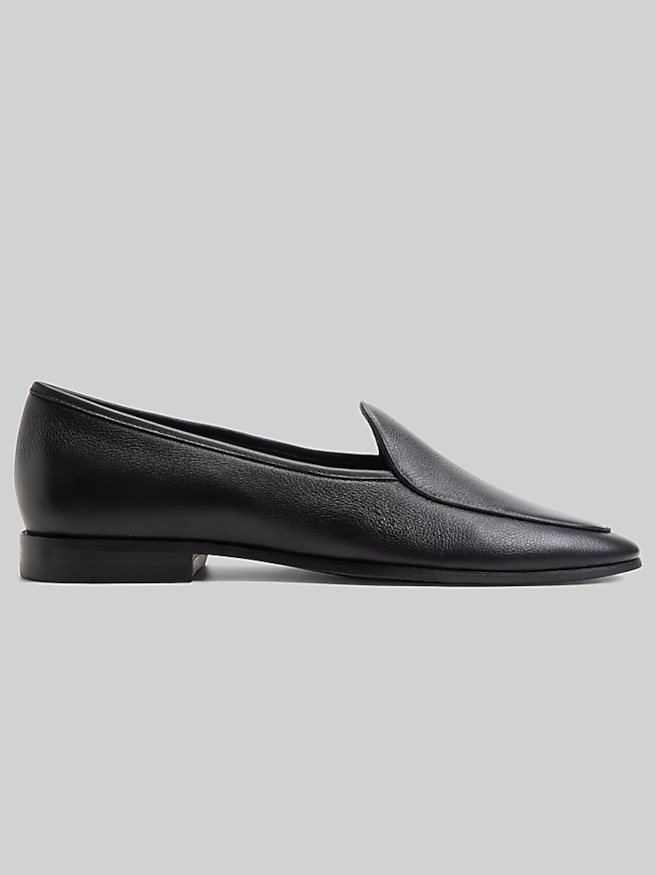
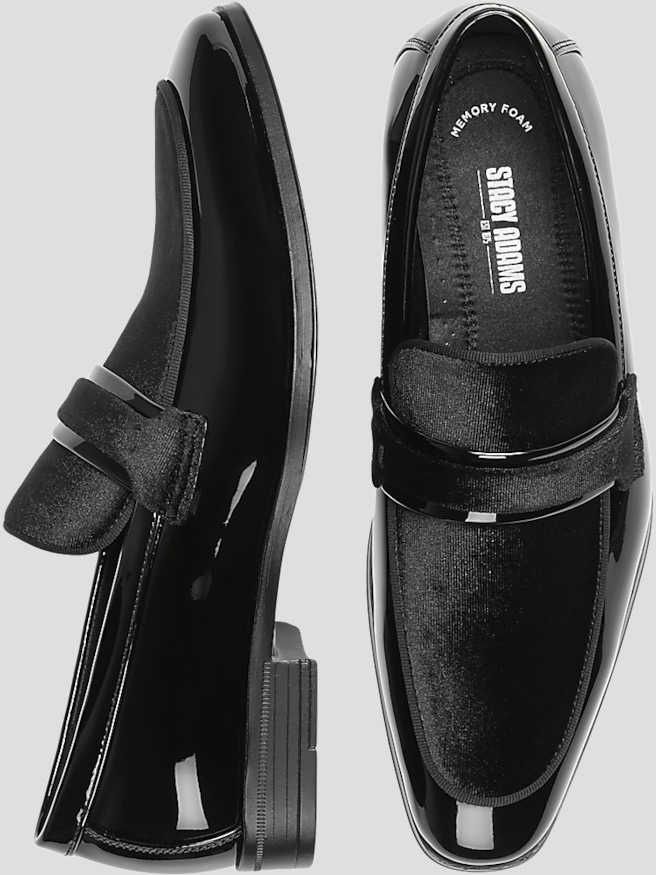
Men's winter loafers combine the ease of slip-on footwear with materials and construction suited to cold-weather dressing. Leather uppers, insulating linings, wool socks, and textured rubber soles can make loafers more practical for winter, although warmth and traction depend on the individual shoe. They are generally best suited to dry, cold days, indoor settings, and short outdoor walks rather than deep snow, slush, or icy sidewalks. For a commute that involves winter boots, loafers also make a comfortable change of shoes at the office, keeping a tailored outfit looking finished without carrying outdoor moisture across the floor. Smooth leather has a clean appearance that complements wool trousers, flannel suits, and structured overcoats, while pebbled leather adds subtle texture alongside corduroy or heavier chinos. Suede offers a softer, more relaxed look, though it needs greater protection from moisture and road salt. Within the broader range of men's loafer shoes, penny, tassel, and other slip-on silhouettes can work with winter clothing when their proportions and construction suit the setting. A streamlined shape sits naturally beneath tailored trousers; a fuller toe and substantial sole can balance the weight of a chunky sweater or brushed cotton pants. Black, brown, and burgundy are versatile foundations, with darker shades creating a continuous line beneath charcoal, navy, or deep olive trousers. Socks help complete that line while covering the ankle against cold air. Fine-gauge merino wool can provide warmth without the bulk of a heavy hiking sock, making it especially useful with closer-fitting dress loafers. For an office day followed by dinner, the combination of wool trousers, a knit polo, and leather loafers feels composed without requiring a full suit. The result is footwear that belongs in a winter wardrobe for its versatility, not as a substitute for purpose-built protection in severe conditions.
Comfort in winter loafers starts with enough room for the socks intended to be worn with them. A loafer that fits comfortably with a thin dress sock may feel restrictive with a cushioned wool pair, particularly across the instep and around the toes. A secure fit holds the foot without squeezing it: toes should have room to move, the upper should not create sharp pressure, and the heel should remain reasonably steady while walking. Some leather softening is normal, but a shoe that feels too short is unlikely to become the correct length through wear. Because loafers have no laces to adjust, the relationship between heel width, instep height, and overall shoe shape matters as much as the marked size. Trying them with the intended winter socks gives a more useful impression than trying them barefoot. Insulated versions may use wool, shearling, or other soft linings to reduce the chill around the foot, but a thick lining also takes up interior space. Unlined leather loafers can still be useful for heated offices and indoor gatherings, especially with wool socks, without providing the same insulation as a lined design. Underfoot, a rubber outsole offers a practical alternative to smooth leather for occasional contact with damp pavement. Defined tread can improve grip, but no loafer sole should be assumed to provide reliable traction on ice. Sole thickness, flexibility, and weight also affect everyday comfort: a substantial sole creates separation from cold ground, while excessive stiffness can make a slip-on shoe harder to walk in naturally. Durable construction depends on more than a heavy appearance. Even stitching, sound attachment between the upper and sole, a supportive heel counter, and a lining that lies smoothly against the foot all contribute to dependable wear. Some constructions can be resoled, extending their useful life when the upper remains in good condition; repair options vary by design.
Winter wear also brings care considerations that affect how loafers look and feel over time. Moisture, grit, and deicing residue can mark uppers and damage finishes when left untreated, so routine attention matters even when outdoor exposure is brief. Smooth leather benefits from gentle cleaning and occasional conditioning with products appropriate for its finish, followed by polish when a more refined appearance is desired. Suede needs a suitable brush to lift the nap and remove surface dirt, along with a compatible protective treatment if recommended for the material. Protective sprays may improve resistance to light moisture, but they do not turn ordinary loafers into waterproof footwear. After an unexpectedly damp walk, shoes should dry naturally away from radiators, fireplaces, and other direct heat, which can stiffen leather or affect adhesives. Cedar shoe trees can help preserve the shape of suitable leather shoes between wears, while absorbent paper offers another way to support drying after moisture exposure. Lined interiors need time to air out as well, particularly after a full day indoors in warm socks. Rotating footwear gives each pair time to dry and helps limit repeated stress on the same areas. These details make a difference for anyone who wears loafers regularly, whether moving between meetings, attending a family dinner, or spending an evening at the theater. They can also make winter loafers a thoughtful gift for someone who prefers polished slip-on footwear, provided the recipient's size, width, usual sock thickness, and preferred level of formality are known. A person who spends most of the day in a heated office may value a supple leather upper and an understated profile, while someone making short walks between buildings may appreciate a more substantial rubber sole. With the right fit and realistic expectations about weather protection, winter loafers offer an appealing balance of easy wear, tailored character, and everyday usefulness.