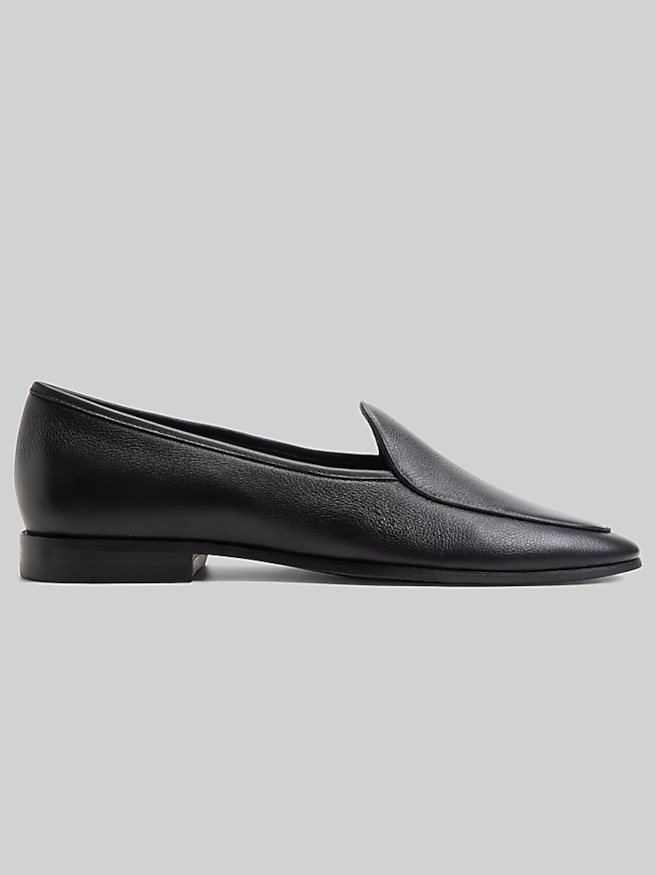
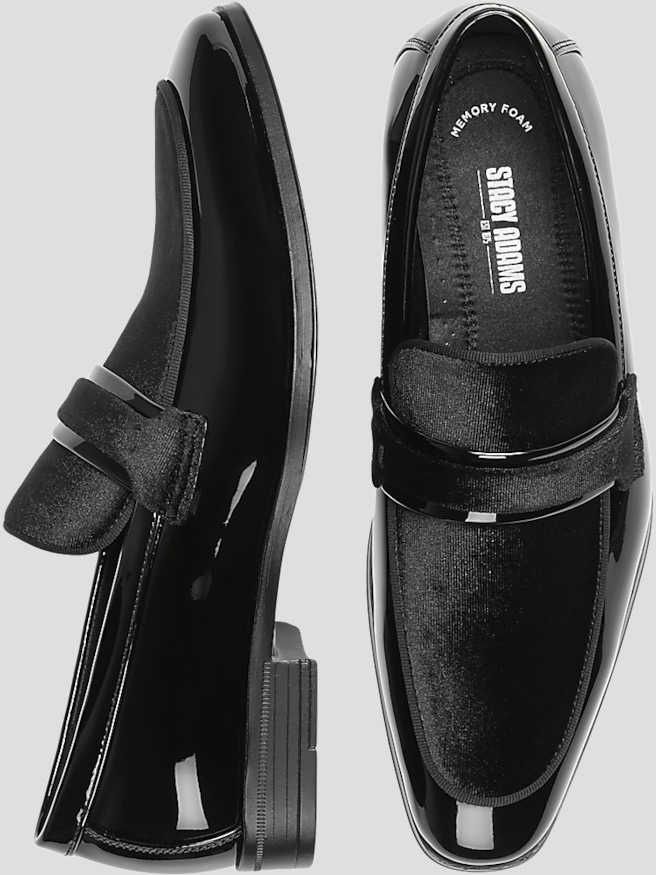
Men’s loafer shoes bring a distinctive balance of polish and ease to a wardrobe: a low profile, a slip-on shape, and enough variety to work with everything from pressed trousers to straight-leg denim. Their appeal comes partly from that simplicity. Without laces interrupting the upper, the shape of the toe, the texture of the leather, and the finishing details become more noticeable. A penny loafer has a strap across the instep, often with a small opening that gives the style its recognizable character. Tassel loafers add movement and a slightly more expressive finish, while metal-bit styles introduce a decorative accent. Apron stitching, which traces the top of the forefoot, can lend a moccasin-inspired look; a smoother, more streamlined upper tends to feel dressier. Choosing among these designs is less about following a rigid rule than matching the shoe’s proportions and finish to the clothes it will accompany. A sleek black leather loafer can sit comfortably beneath charcoal trousers for a presentation or an evening at a restaurant. A brown pair with a rounded toe can soften the formality of a navy blazer and chinos without making the outfit look unfinished. Suede brings a softer, more textured appearance that works especially well with cotton trousers, denim, and relaxed tailoring. The trouser hem matters, too: a clean break or a hem that rests just above the shoe lets the loafer’s shape remain visible, while excess fabric can overwhelm a low-cut design. Socks offer another way to adjust the overall impression. Fine dress socks create continuity with tailored clothing, and no-show socks can preserve an exposed-ankle look without placing the foot directly against the lining. For office days, dinners, family celebrations, and weddings with an appropriate dress code, loafers provide an alternative to lace-up footwear. More formal occasions still call for attention to the invitation and the outfit as a whole; not every slip-on style carries the same level of dressiness.
Materials and construction help explain why two loafers with similar silhouettes can feel quite distinct on the foot. Smooth leather creates a clean surface that can be conditioned and polished, though its feel varies with thickness, tanning, and finishing. Pebbled leather introduces visible texture, which can make small surface marks less noticeable, while suede has a napped finish that needs its own brushing and cleaning routine. Neither appearance alone nor softness alone tells the full story of durability. Stitching, the quality of the lining, the connection between the upper and sole, and the way the shoe flexes all deserve consideration. Leather soles often complement dressier designs and may feel firm at first; rubber soles can add cushioning or grip, depending on their compound and tread pattern. A thicker sole gives a loafer more visual weight, which can work well with substantial denim or relaxed trousers, while a thinner profile generally pairs more naturally with refined tailoring. Fit deserves particular attention because a loafer has no laces to tighten across the foot. The heel should feel secure during a normal stride, and the instep should be comfortably held rather than squeezed. Repeated heel lift, toes pressing against the front, or pressure that causes numbness are signs to reconsider the size or shape. Leather may soften with wear, but a break-in period should not be expected to correct a shoe that is too short or fundamentally too narrow. Trying loafers with the socks intended for regular use gives a more useful impression than trying them with an unrelated sock thickness. Walking several steps, turning, and noticing how the shoe bends across the forefoot can reveal more than simply standing still. Feet can also vary slightly in size, so both shoes need to feel comfortable. Anyone who spends much of the day standing may place greater emphasis on cushioning and support, while someone choosing footwear mainly for seated events may prioritize a sleek profile without overlooking a secure fit.
Thoughtful care helps loafers retain their shape and finish through repeated wear. After use, wiping smooth leather with a soft cloth removes surface dust before it settles into seams or creases. A conditioner suitable for the leather can help maintain suppleness, and an appropriate cream or polish can refresh the finish; testing care products on a discreet area reduces the chance of an unexpected color change. Suede needs a separate approach, usually starting with a suede brush and, when necessary, a cleaner intended for that material rather than standard leather polish. Excess moisture from cleaning should be allowed to dry naturally, away from direct heat. Shoe trees that fit without forcing the upper can help preserve the shape between wears, particularly around the toe and vamp, where walking naturally creates creases. Rotating footwear also gives linings time to dry after a full day of use. Durability is not the same as a permanently unmarked surface: leather commonly develops creasing and subtle changes in color, and those signs of wear can become part of its character. More useful warning signs include uneven heel wear, separating soles, damaged stitching, or a loss of support that changes the way the shoe feels. Depending on the construction, a shoe repair professional may be able to replace worn components or address minor damage before it spreads. For another focused selection within the category, explore Men's Winter Loafers, keeping the same attention to fit, materials, and intended use. Loafers can also make a thoughtful gift for someone starting a new job, marking a graduation, or building a more versatile wardrobe, especially when their usual size, preferred width, and style preferences are known. A person who wears tailored trousers most days may appreciate an understated design, while someone whose wardrobe centers on chinos and denim may favor visible stitching or a textured upper. The strongest choice is a loafer that fits comfortably and feels natural with the recipient’s everyday clothing, giving it a clear place in the wardrobe rather than leaving it reserved for a single occasion.