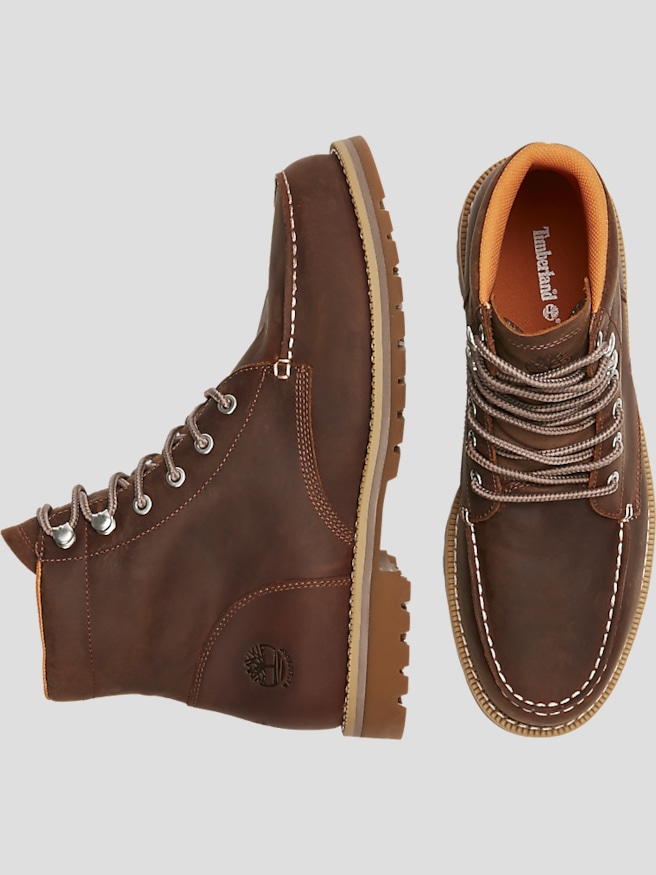
Men’s Chelsea dress boots bring the clean lines of a dress shoe to an ankle-height silhouette, creating a polished foundation for tailored trousers, chinos, and dark denim. Their signature elastic side panels and slip-on construction keep the profile uncluttered, while the absence of laces lets the shape of the toe, the finish of the upper, and the proportions of the sole define the look. A gently tapered toe and a close-fitting shaft tend to feel more refined than a broad, rounded toe or a thick, heavily textured sole. That distinction matters when boots are worn with a suit: the footwear should complement the tailoring rather than draw attention away from it. Smooth black leather creates a crisp pairing with charcoal or gray trousers, while brown leather can bring depth to navy tailoring and a more relaxed character to chinos. Suede offers a softer surface that works particularly well with textured trousers, knitwear, and less formal jackets. The broader family of Mens Chelsea Shoes shares this streamlined character, with the dress-boot silhouette adding ankle coverage and a distinctive shape beneath the trouser hem. For an office presentation, a dinner reservation, or a wedding with a dress code that permits boots, the appeal is straightforward: footwear that looks considered without requiring an elaborate outfit. Trouser length makes a noticeable difference. A hem that meets the top of the boot with a slight break keeps the line tidy, while excess fabric can bunch around the shaft and obscure the sleek profile. Slim or straight trousers generally sit more comfortably over Chelsea boots than an extremely narrow opening that catches on the ankle. A leather belt in a compatible color helps connect the outfit, though the two finishes do not need to match perfectly. The result is a versatile dress option for anyone who prefers understated details and wants footwear that can move naturally between professional settings and more relaxed occasions.
Materials and construction influence how Chelsea dress boots look, feel, and hold their shape through repeated wear. Smooth leather can develop subtle creases and a richer surface character over time, while suede has a soft nap that gives the same basic silhouette a less formal appearance. Leather quality cannot be judged by shine alone; the feel of the upper, the consistency of its surface, and the way it flexes across the forefoot are also useful considerations. A lined interior can create a smoother feel against socks, and cushioning beneath the foot may make standing at a reception or walking between meetings more comfortable. The outsole deserves equal attention. Leather soles offer a traditional dress-shoe appearance, while rubber soles can provide flexibility and grip on smooth floors or paved walkways. A low-profile rubber sole can still look refined, especially when the edge is neatly finished and the heel stays proportionate to the upper. Fit is particularly important because there are no laces to adjust the volume over the foot. The elastic panels should help the boot flex during entry and movement without leaving the ankle feeling loose. A secure fit through the instep and heel allows the boot to stay in place, while the toes need enough room to rest naturally rather than press against the front or sides. Some slight heel movement may occur in a new boot, but pronounced slipping, pressure across the instep, or pinching at the toes can signal a mismatch in size or shape. Leather may soften with wear, yet a painfully tight boot should not be expected to become a comfortable fit. Trying boots with the socks intended for everyday use gives a more realistic sense of the interior space. Walking, sitting, and bending the foot can reveal whether the shaft rubs at the ankle or the upper presses across the forefoot. For broader feet or a higher instep, width and the shape of the last—the form used to build the boot—can matter as much as the marked size.
Thoughtful care helps preserve the appearance that makes Chelsea dress boots suitable for tailored clothing. Dust and surface grit can dull leather and collect along the welt or sole edge, so a soft brush or cloth is useful for routine cleaning. Smooth leather benefits from an appropriate conditioner used sparingly and according to the care directions, followed by a compatible cream or polish when the finish needs attention. Suede requires a different approach: a suede brush can lift the nap and loosen surface dirt without coating the material in products intended for smooth leather. Any cleaning or protective treatment should be suitable for the upper, with a small hidden area tested first when recommended. The elastic panels also deserve care, since repeated pulling or aggressive brushing can affect their appearance and stretch. Using a shoehorn reduces strain on the back of the boot, and pulling gently on a designated tab is preferable to forcing the heel counter down with the foot. Between wears, shoe trees can help maintain the shape of leather uppers and reduce deep creasing, provided they fit without stretching the boot. Allowing the interior to air out and storing boots away from direct heat supports both comfort and material longevity. Durability also depends on construction, stitching, and the condition of the heel and outsole. Uneven heel wear or a thinning sole is worth addressing before it changes the way the boot sits underfoot; some construction methods allow professional repairs or sole replacement, while others do not. For someone who wears tailored clothing frequently, Chelsea dress boots can become a dependable part of a small, coordinated wardrobe rather than footwear reserved for a single event. They can also make a thoughtful gift for a graduate entering a professional role, a partner who enjoys dressing well, or a family member ready to refresh everyday footwear. Knowing the recipient’s usual size, width, preferred colors, and typical outfits makes the choice more personal. A sleek silhouette, comfortable fit, and manageable care routine give these boots their lasting appeal: dress-focused footwear with enough flexibility to feel at home beyond the suit.