Men’s boots with arch support combine the structure of a boot with underfoot contours designed to support the arch rather than simply cushion the sole. That distinction matters during a day that includes a walk from the parking garage, hours at a standing desk, and an evening out without a change of shoes. Cushioning softens the feel beneath the foot; arch support adds shape through the midfoot, while a well-fitting heel helps limit unwanted movement inside the boot. The most comfortable combination depends on foot shape, walking habits, and intended use, not just how soft the footbed feels at first. A pronounced arch contour may feel comfortable to one person and intrusive to another, so stronger pressure is not necessarily a sign of better support. Features worth comparing include contoured footbeds, stable heel counters, removable insoles, and enough interior depth to accommodate the foot without crowding it. These features vary by construction and should be confirmed in the footwear details rather than assumed from appearance. A tall shaft, substantial sole, or rugged profile alone does not establish that a boot provides meaningful arch support. For office wear, a streamlined leather boot can sit neatly beneath chinos or tailored trousers while offering a more structured alternative to a casual shoe. For errands, travel days, and relaxed gatherings, a rounded toe and a flexible forefoot can make everyday movement feel less restricted. Lace-up designs allow adjustments across the instep, which can be helpful when one foot needs a slightly roomier fit than the other. Chelsea silhouettes offer a clean profile and easy entry, although their fixed instep shape makes getting the initial fit especially important. Neither silhouette is automatically more supportive; the footbed, heel hold, and overall fit do more to determine how the boot feels. The goal is support that feels comfortably placed beneath the arch, with room for natural movement and no need to grip with the toes to keep the heel secure.
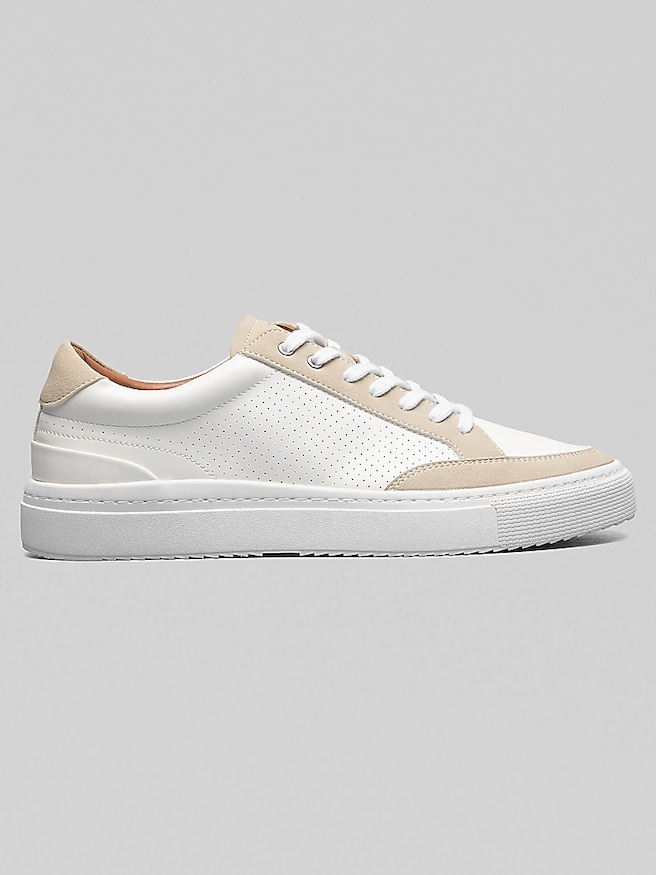
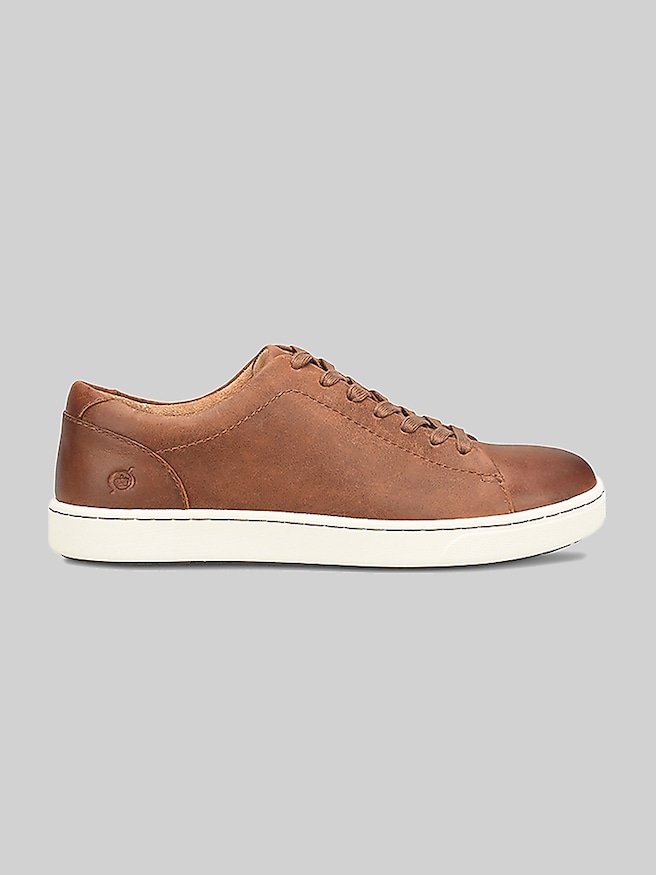
Materials and construction influence how supportive boots feel, how they look with clothing, and how well they hold up to repeated wear. Smooth leather offers a polished surface that works with denim, corduroy, and dressier trousers, while suede brings a softer texture to casual outfits. Full-grain leather retains the hide’s natural surface and can develop character with use, but leather type alone does not determine comfort or durability. Thickness, flexibility, stitching, lining quality, and sole attachment all contribute to the finished boot. A supple upper can ease movement across the forefoot, while reinforcement around the heel helps the back of the boot retain its shape. Inside, smooth seams and a securely seated footbed help reduce friction points that can become distracting over a long day. Rubber outsoles vary in tread, flexibility, and grip; a low-profile pattern may suit sidewalks and office floors, while deeper lugs create a more casual appearance. Traction and workplace protection are separate considerations from arch support, and safety-sensitive jobs require footwear with the appropriate stated ratings. An everyday supportive boot should not be treated as protective work footwear or technical hiking equipment unless its specifications establish that purpose. Sole construction also affects upkeep. Some stitched constructions permit resoling, depending on the design and condition, while many bonded soles are not intended for routine replacement. Neither method guarantees superior comfort, so construction should match the way the boots will be used. For someone moving between client meetings and dinner, a balanced silhouette, modest heel, and unobtrusive stitching can keep the outfit cohesive. Someone spending more time on foot may place greater emphasis on manageable weight, forefoot flexibility, and a stable base. For a lower-cut option alongside boots, Leather Sneakers With Arch Support offer another footwear category to consider for casual wardrobes. Across these choices, understated styling makes it easier to repeat a comfortable pair with several outfits rather than reserve it for one setting.
Fit brings all of those details together. Supportive men’s boots should hold the heel securely without squeezing it, leave space for the toes to move, and place the footbed’s arch contour beneath the wearer’s own arch. A pressure point that feels like a hard ridge, numbness across the instep, or toes pressed against the front signals a mismatch rather than a worthwhile break-in period. Leather may soften with wear, but boots should not be expected to stretch enough to correct inadequate length or a poorly positioned arch. Trying them with the socks normally worn for the intended activity gives a more useful impression than testing them with an unusually thin pair. Both feet deserve attention, particularly when their sizes differ, and a short walk can reveal heel lift or forefoot pinching that is easy to miss while seated. Width and interior volume matter as much as the size printed inside: a wider toe box does not always mean more room over the instep. For wearers who use prescribed orthotics, removable footbeds and sufficient depth may help accommodate them, but compatibility still needs to be checked. Stacking an orthotic over an existing insole can crowd the foot and alter heel placement. Persistent heel or arch pain calls for individual advice from a qualified health professional rather than reliance on footwear claims alone. Once the fit is right, straightforward care helps preserve the upper and interior. Dust and grit can be brushed away regularly, smooth leather can be conditioned with a suitable product as needed, and suede benefits from a dedicated brush and material-appropriate treatment. Letting boots air out between wears and keeping them away from direct heat helps protect their shape and finish. Footbeds that become compressed, uneven, or damaged may need replacement when the construction allows it. As a gift for a partner, parent, or graduate building an everyday wardrobe, supportive boots can be a thoughtful choice when size, width, and style preferences are known. Those personal details matter more than a rugged appearance or an especially plush first impression.