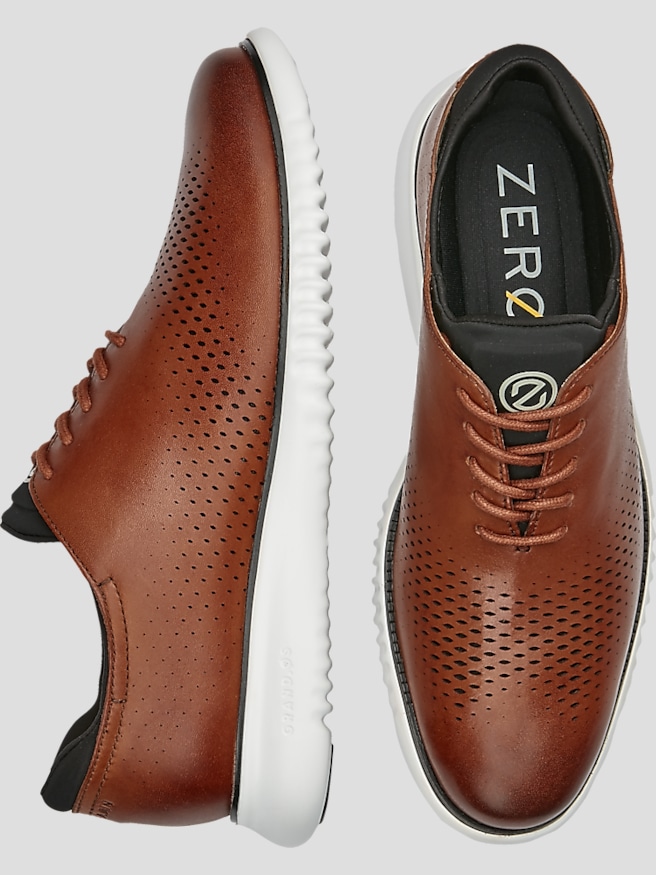
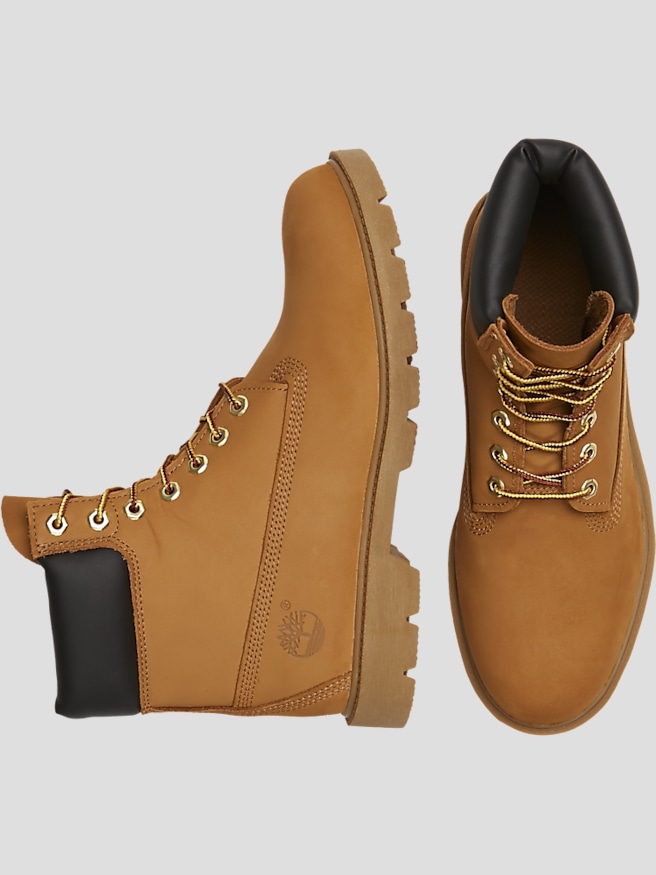
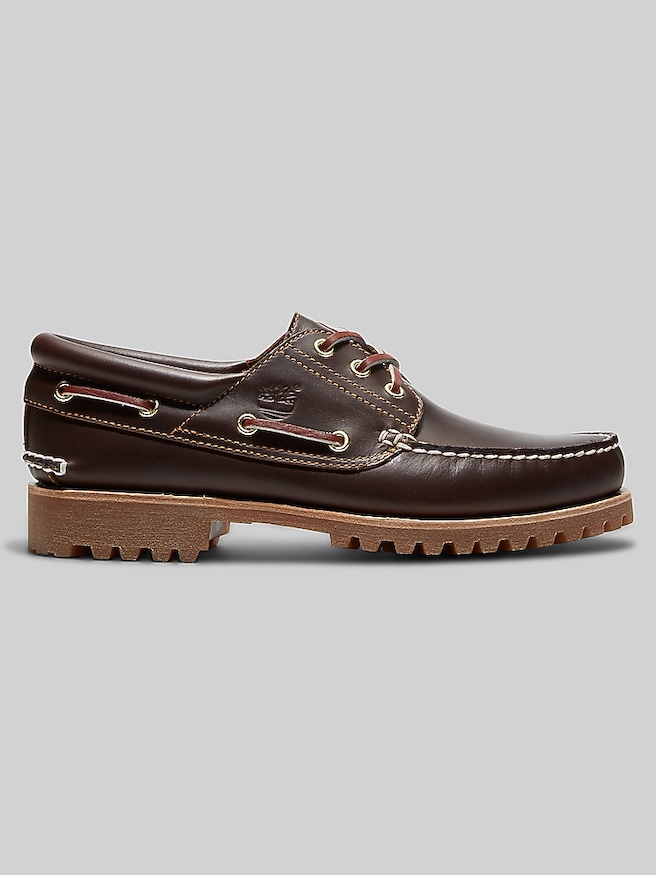
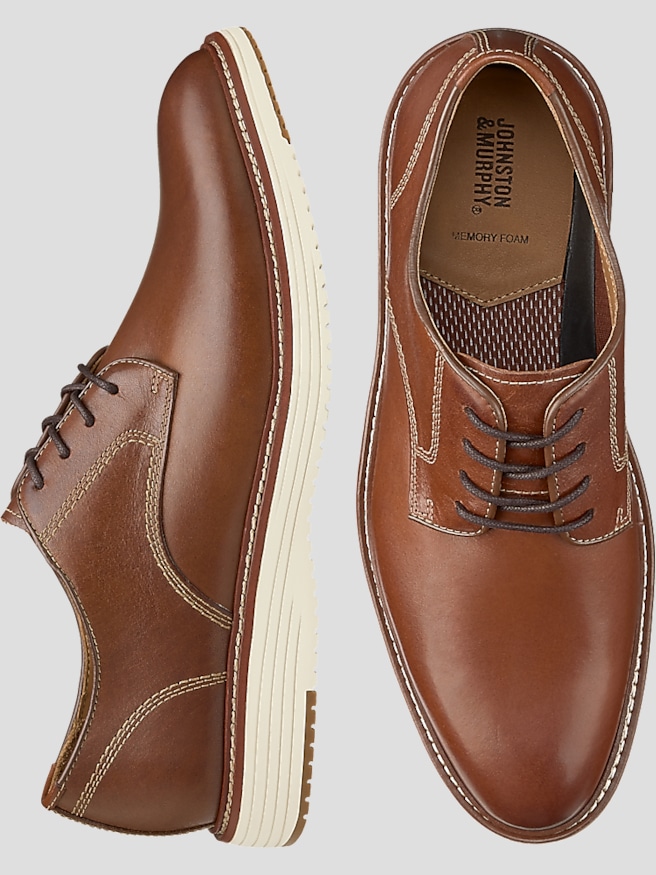
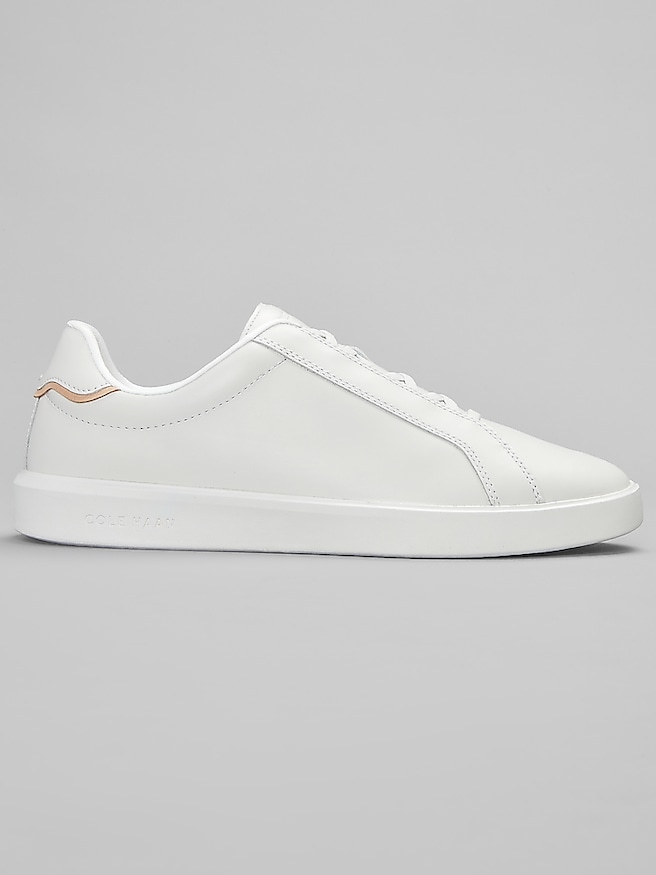
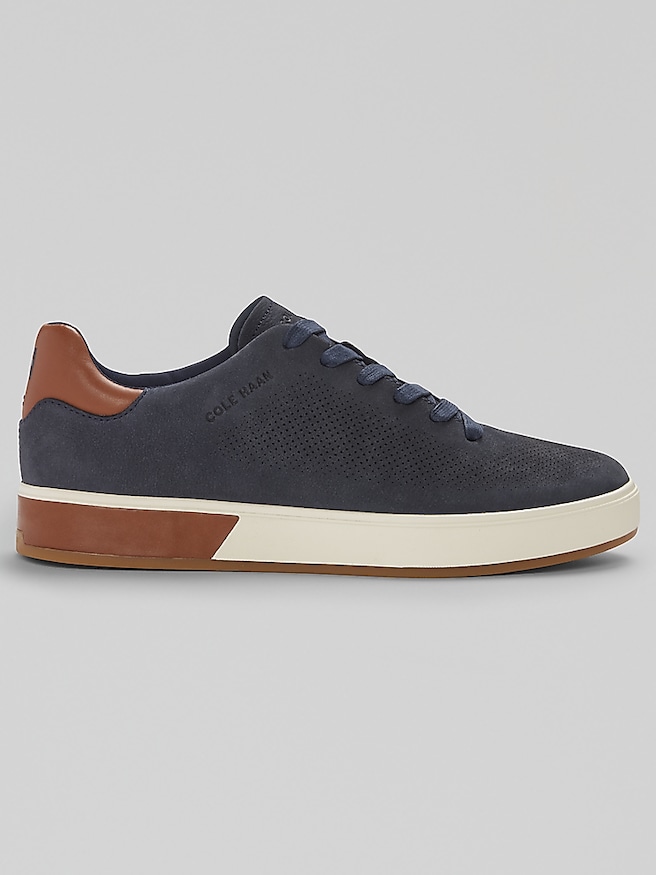
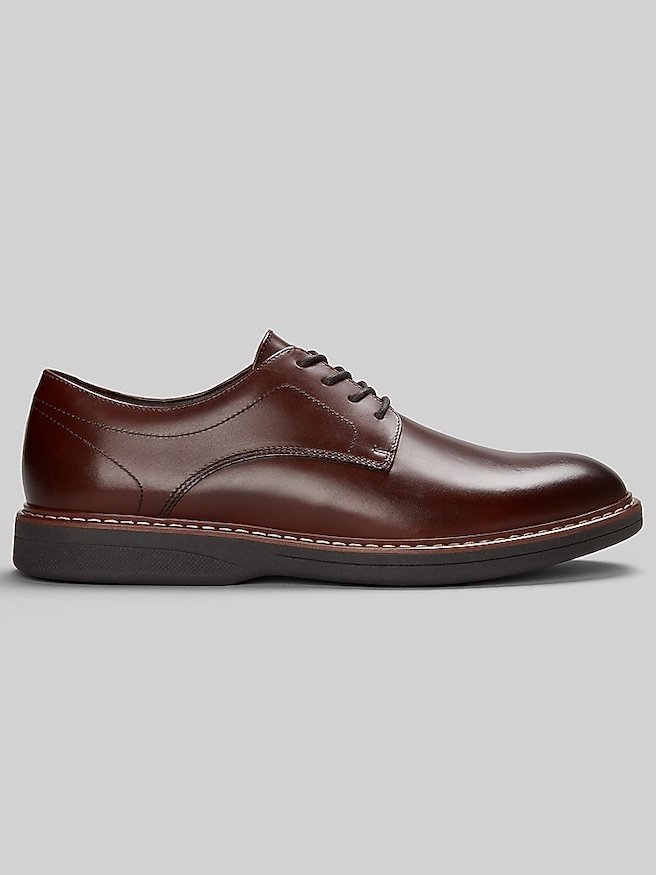
Leather sneakers with arch support combine the clean appearance of leather uppers with underfoot shaping designed to support the arch during everyday wear. Unlike a flat footbed that provides cushioning alone, a contoured footbed follows the shape of the foot and can help distribute pressure more evenly. The result can be a comfortable option for office commutes, casual gatherings, travel days, and other routines that involve both walking and standing. Support and softness are not the same thing: a sneaker can feel plush at first without providing much structure beneath the arch, while a slightly firmer footbed may feel more supportive over several hours. The right balance depends on foot shape, personal preference, and intended use. For someone moving between a desk, meeting rooms, and a walk to lunch, a stable heel and moderate cushioning may matter as much as the arch contour itself. Leather adds versatility to that functional foundation. Smooth leather has a neat, understated finish that works with chinos, dark denim, and relaxed tailoring, while pebbled leather introduces subtle texture without making the shoe look overly athletic. Full-grain leather retains its natural surface and can develop character with wear; other leather finishes may have a more uniform appearance and their own care requirements. Leather uppers can gradually soften where the foot bends, but that break-in should not be confused with a need to endure pinching or pressure. A comfortable sneaker should feel secure and reasonably accommodating from the beginning. Low-profile shapes and restrained detailing make these shoes useful when a running shoe feels too sporty but a dress shoe feels unnecessary. For a broader look at this balance of everyday comfort and polished styling, Comfortable Leather Sneakers For Men offers a related category to consider alongside arch-focused construction. The appeal is practical: familiar sneaker ease, a more finished exterior, and support suited to the pace of an ordinary day.
Fit determines how well that support works. The raised portion of the footbed should sit comfortably beneath the arch rather than feel like a hard ridge pressing into the wrong place. More pronounced support is not automatically better, and a shape that suits one foot may feel intrusive beneath another. There should be enough room for the toes to spread naturally without sliding forward, with a heel that stays secure rather than lifting noticeably at each step. Width matters throughout the shoe, not just at the toe: pressure across the ball of the foot or along the instep can make an otherwise supportive design uncomfortable. Trying sneakers with the socks intended for daily wear gives a more useful sense of their fit, and checking both feet accounts for small size variations. Lace-up construction allows adjustments across the upper, which can help accommodate a higher instep or secure a narrower heel without squeezing the forefoot. Inside the shoe, a smooth lining and carefully finished seams can reduce rubbing, particularly during longer periods of wear. Removable footbeds can be useful for people who use prescribed orthotics, provided the sneaker has enough interior depth to accommodate them without crowding the foot or raising the heel too far. Stacking an orthotic on top of an existing supportive insert can change the fit substantially, so compatibility matters more than the presence of a removable liner alone. Underneath, a supportive midsole, a stable base, and an outsole that bends near the ball of the foot contribute to the overall walking experience. Rubber outsoles can provide useful traction, although grip depends on tread, compound, surface, and wear. For sightseeing, a lengthy commute, or a job that involves frequent standing, cushioning and stability deserve attention alongside appearance. Leather lifestyle sneakers are generally intended for everyday movement rather than running or specialized training. Built-in arch support may improve comfort for some wearers, but it is not a treatment guarantee; persistent foot pain warrants advice from a qualified healthcare professional.
Durability comes from the entire construction, not leather alone. Secure stitching, neatly finished edges, a firmly attached outsole, and reinforcement around high-flex areas all contribute to how a sneaker holds up to repeated use. The lining and footbed also matter because interior wear can affect comfort before the upper looks worn out. A shoe that still looks sharp may no longer feel supportive if the cushioning has compressed or the outsole has worn unevenly. Regular attention helps preserve both appearance and function. Dust and surface dirt can usually be removed from smooth leather with a soft brush or cloth, followed by a leather-appropriate cleaner when needed. Conditioning requirements vary by finish, so manufacturer care directions should take priority, and any treatment should be tested in an inconspicuous area first. Suede and nubuck need tools and products made for their textured surfaces rather than the routine used for smooth leather. Machine washing, prolonged soaking, and direct heat can damage leather, adhesives, or the shape of the shoe. After wear, loosening the laces and allowing the interior to air out helps manage moisture; alternating footwear gives each pair time to dry naturally between outings. A shoehorn can also help protect the heel structure from being crushed during hurried departures. Styling is similarly straightforward. A clean white or cream leather sneaker brings contrast to dark trousers, while black, brown, or deep neutral tones create a quieter look with denim and casual pants. For workplaces with a relaxed dress code, a trim sneaker silhouette can sit comfortably beneath chinos and an unstructured jacket without competing with the rest of the outfit. For travel, versatility matters: one thoughtfully chosen pair can work for a daytime museum visit and a casual dinner, as long as its fit suits the walking involved. These sneakers can also make a useful gift for someone who values polished everyday clothing, though knowing the recipient’s size, width, and support preferences is especially important. Lasting satisfaction comes from the combination of well-matched support, comfortable proportions, appropriate materials, and care that keeps the shoes ready for repeated wear.