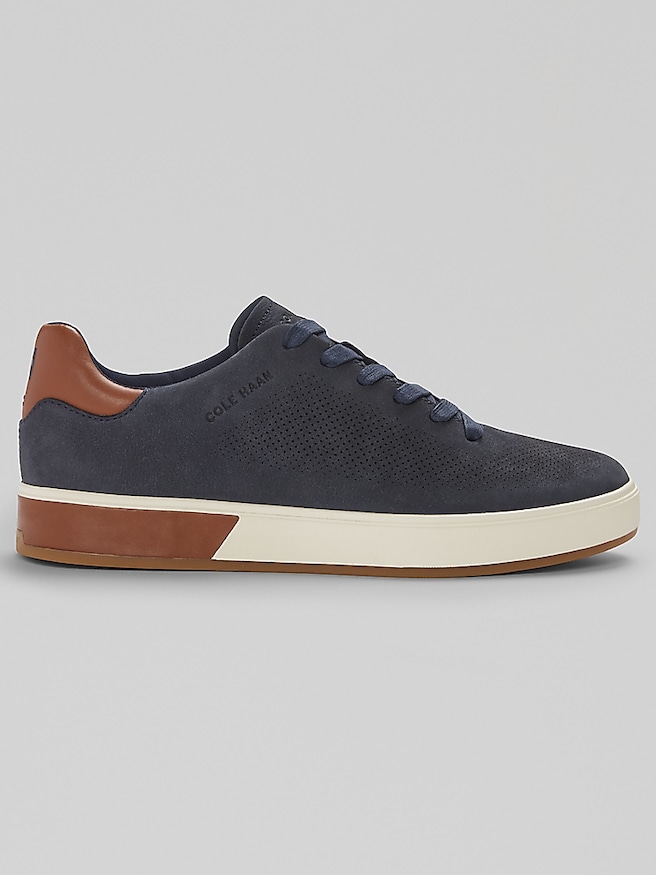
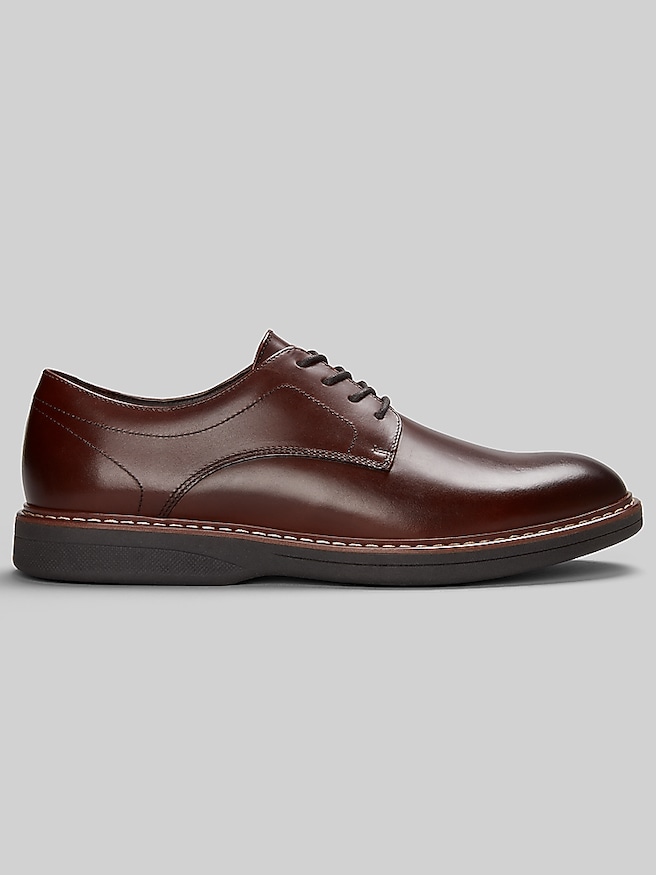
Men's white sneakers with arch support combine a clean, versatile look with a shaped footbed that supports the contours of the foot during everyday wear. The important distinction is between cushioning and support: cushioning softens the feeling underfoot, while arch support provides structure beneath the arch. A sneaker can feel plush without providing much support, and a supportive footbed does not need to feel especially soft. Everyday comfort comes from how the footbed, midsole, heel counter, and upper work together. A contoured insole may help distribute pressure across the foot, while a stable heel and secure lacing help limit unwanted movement inside the shoe. The right amount of support depends on individual foot shape and preference; a pronounced arch contour is not automatically better than a gentler one. Support should feel comfortably positioned beneath the arch rather than like a hard ridge pressing into it. Materials also affect the experience. Smooth leather uppers give white sneakers a polished appearance and generally wipe clean more easily than textured fabrics, though leather may feel firmer initially. Knit and mesh uppers can offer greater flexibility and airflow, with a more relaxed, athletic character. Synthetic uppers vary in texture and construction, so their comfort and care requirements depend on the material rather than appearance alone. A padded collar can soften contact around the ankle, while a structured heel counter helps the back of the shoe hold its shape. Underneath, the midsole contributes cushioning and stability, and the outsole supplies the surface that meets the ground. Rubber coverage, tread pattern, and sole flexibility all influence everyday wear, but a substantial-looking sole is not proof of arch support. The most useful construction details are the ones that explain the footbed's shape, whether the insole is removable, and how securely the shoe holds the foot. Together, these features distinguish supportive white sneakers from styles chosen mainly for their appearance.
Fit matters just as much as construction, especially for sneakers intended for commuting, travel, or extended time on foot. A comfortable fit leaves room for the toes to spread naturally without allowing the heel to slide with every step. The widest part of the foot should sit comfortably within the widest part of the shoe, with no persistent squeezing along the sides. Extra length does not reliably solve a width problem; a shoe that is too long can shift the arch contour away from the area it is meant to support. Trying sneakers with the socks intended for everyday wear gives a more useful sense of fit than testing them with unusually thin or thick socks. Feet can also swell over the course of a day, making a late-day fitting helpful for shoes that will be worn from the morning commute through dinner. For someone who uses orthotics, a removable insole can create space for the prescribed insert, but depth and heel security still matter. Stacking an orthotic on top of an existing footbed may crowd the shoe or lift the heel too high. Supportive casual sneakers suit many ordinary routines, including walking between transit stops, standing through a presentation, or exploring a museum, but they are not automatically substitutes for running shoes, court shoes, or required workplace footwear. Their styling versatility is part of their appeal. White leather sneakers can bring an easy finish to chinos and an unstructured jacket, while fabric uppers pair naturally with denim and a knit polo. For a streamlined silhouette that leaves the ankle unobstructed, men's white low top sneakers work well with straight or gently tapered pants. A hem that rests just above the shoe keeps the profile visible without excess fabric gathering over the laces. Simple socks and restrained detailing let the white finish carry the look, whether the outfit is relaxed or appropriate for an office with a casual dress code.
White sneakers benefit from consistent, material-appropriate care, especially when they are worn often enough to become part of a regular rotation. Surface dust is easier to remove before it settles into seams and textured panels, so a soft brush or dry cloth is a useful starting point. Smooth leather generally responds well to gentle wiping with a lightly damp cloth and a compatible cleaner, while knit, mesh, and suede require methods suited to their particular construction. Care instructions take priority over a general cleaning routine, and testing a cleaner on an inconspicuous area helps avoid an uneven finish. Excessive soaking, harsh scrubbing, and direct heat can damage uppers, weaken adhesives, or distort cushioning. Air-drying at room temperature, with the shoes opened up, is usually gentler than placing them beside a heater. Removable insoles should be cleaned only as directed and allowed to dry completely before being put back into the shoes. Laces and outsole edges deserve attention, too: clean laces and a tidy sole edge can noticeably refresh the appearance without treating the entire upper. Durability depends on more than keeping the exterior white. Repeated wear can compress cushioning, flatten a footbed, or wear the outsole unevenly, changing how the shoe feels even when the upper still looks presentable. Rotating between pairs gives each pair time to dry between wears, while loosening the laces before taking shoes off helps preserve the heel structure. A change in comfort, persistent heel slipping, or visibly uneven tread can signal that the fit and condition need another look. As a gift, supportive white sneakers make the most sense for someone whose size, width, and everyday style are well understood. A familiar-looking shoe can still feel quite distinct underfoot, particularly when arch contours or orthotics are involved. For regular wear, the strongest combination is straightforward: a white upper that suits the wardrobe, support that matches the foot, enough room for natural movement, and construction that stands up to the intended routine.