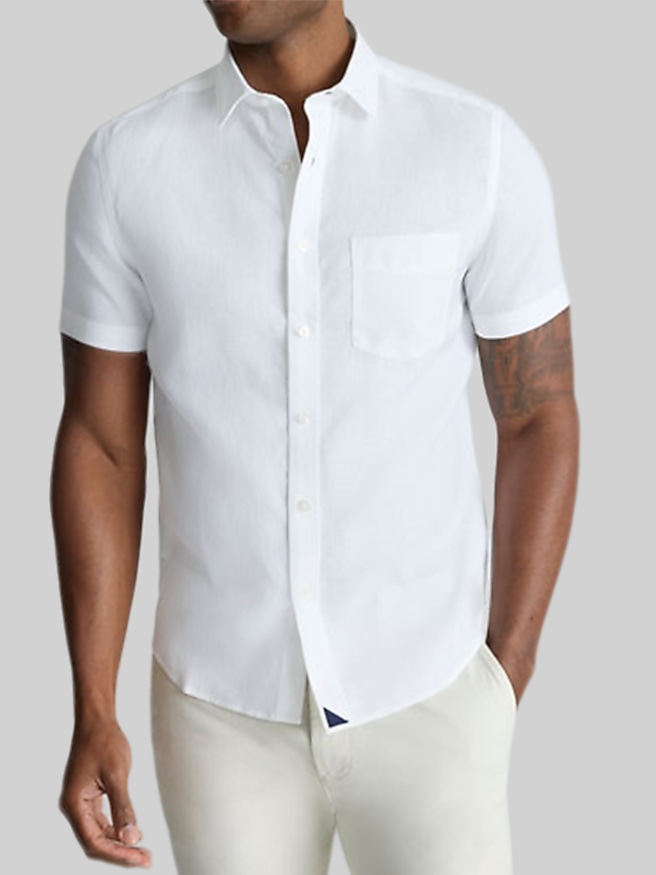
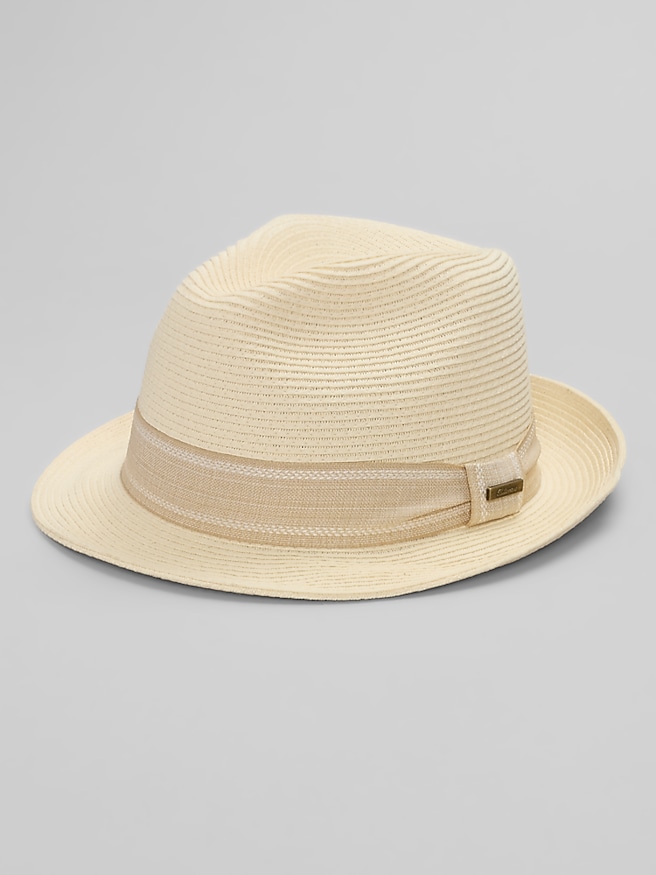
Men’s beach hats bring shade, texture, and a relaxed finishing touch to clothing made for time near the water. A broad brim feels right at home beside a beach chair, while a shaped crown can give a linen shirt and lightweight trousers enough polish for lunch overlooking the harbor. The category spans airy straw hats, softly structured bucket hats, wide-brim boonie styles, and fedoras with a more defined silhouette. Each has a place, whether the day involves reading beneath an umbrella, walking a boardwalk, or heading from a hotel terrace to the shoreline. Materials make much of the distinction. Natural straw offers lightness and texture, with tightly woven constructions providing more consistent shade than open, decorative weaves. Paper straw can create a similarly easygoing look, although its tolerance for moisture depends on its construction and care instructions. Cotton canvas has a familiar, substantial feel and can suit casual outings where a soft crown is welcome. Nylon and polyester are common choices for lightweight fabric hats, especially when quick drying and easy packing matter. Actual drying speed, breathability, and durability vary with the fabric weight, lining, and finish rather than the fiber name alone. Mesh panels encourage airflow, but open sections may leave parts of the head more exposed to sunlight unless a protective layer sits beneath them. For a dressier coastal look, Mens Summer Fedora Hats complement the same relaxed wardrobe, pairing naturally with open-collar shirts, chino shorts, and woven leather footwear. A simple hatband keeps the effect understated, while a contrasting band gives the crown a clearer outline. Sand, tan, cream, olive, and navy work easily with vacation clothing without requiring an exact match to shoes or a belt. These shapes also make sense for warm-weather travel during the cooler months at home, when a few versatile accessories can help a compact suitcase cover beach time, outdoor meals, and sightseeing.
Sun coverage is one of the most useful distinctions among men’s beach hats, and brim shape matters as much as overall style. A brim extending about three inches or more around the entire head generally offers broader shade for the face, ears, and neck than a narrow brim or a front-only visor. A downward-sloping edge can improve coverage as the sun’s angle changes, although no hat blocks every ray reaching the skin. Sunlight can reflect off water and sand, so a beach hat works alongside sunscreen, sunglasses, protective clothing, and breaks in the shade rather than replacing them. For fabric hats, an ultraviolet protection factor rating provides more meaningful information than appearance alone. Material rated UPF 50 allows about one-fiftieth of ultraviolet radiation to pass through under test conditions, blocking approximately 98 percent; that rating applies to the tested material, not to uncovered skin around the hat. A loosely woven straw crown should not be assumed to offer equivalent protection without a stated rating. Comfort determines whether that coverage stays useful through a long afternoon. A well-fitting hat rests securely above the eyebrows and ears without leaving a tight pressure line across the forehead. Head circumference, measured around the point where the sweatband sits, is a better starting point than guessing from general clothing size. Crown depth matters, too: a shallow crown may perch too high, while an overly deep one can settle against the ears. An internal adjustment helps refine the fit, and a soft sweatband can make extended wear more comfortable when temperatures rise. A chin cord or adjustable toggle adds security when an ocean breeze picks up, particularly on an open pier or boat deck, but it should not need to compensate for a hat that is much too large. Brim stiffness also changes the experience. A flexible edge feels easygoing and packs more readily, while a firmer brim holds its outline but may catch more wind. The most practical balance depends on how much time the hat will spend in motion versus beside a lounge chair.
Construction and care help a beach hat keep its shape beyond a single trip. Even stitching, a securely attached sweatband, and a neatly finished brim edge are useful details to examine, especially on a hat intended for frequent travel. Straw should feel resilient for its type rather than brittle, and fabric seams should lie comfortably against the head without rough spots. Packability deserves particular attention: a soft appearance does not automatically mean a hat can be crushed, folded, or rolled. Structured straw crowns can crack when squeezed, and wired brims can develop lasting bends if forced into a crowded bag. Unless the care label says otherwise, supporting the crown with soft clothing and leaving room around the brim is a gentler approach to packing. Handling a shaped hat by the brim rather than repeatedly pinching the crown can also reduce stress on vulnerable areas. After a day outside, allowing the sweatband to dry fully before storage helps limit lingering moisture and odors. A soft brush can lift loose sand from straw, while a lightly dampened cloth may be suitable for small marks if permitted by the care instructions. Fabric hats vary widely: some tolerate hand washing, while others need spot cleaning to protect their shape, finish, or internal supports. Saltwater and chlorine can affect fibers and hardware, so a beach setting should not be mistaken for permission to swim in every hat. Drying away from direct heat helps protect both structure and trim. For everyday styling, proportion usually matters more than elaborate coordination. A substantial brim balances a loose camp shirt and relaxed trousers, while a compact bucket shape sits comfortably with a T-shirt and swim shorts. A clean-lined straw hat can finish an outfit for a casual waterfront gathering without making it feel formal. Beach hats can also be thoughtful gifts for travelers, boating enthusiasts, and anyone who enjoys long walks near the water. Knowing the recipient’s head size, preferred brim width, and packing habits makes the choice more personal—and more likely to become part of the next trip.