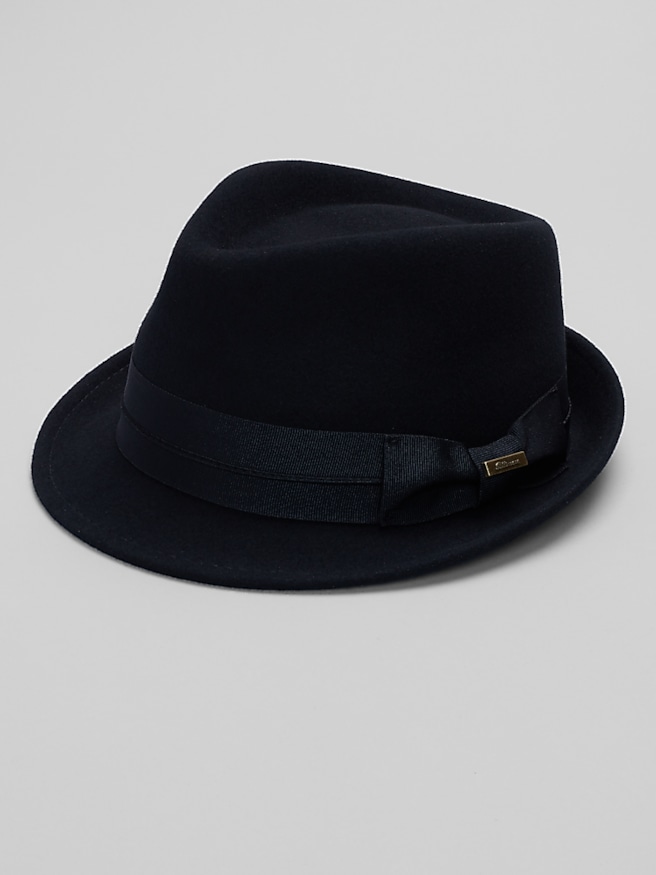
Men's outdoor hats include casual baseball caps, bucket hats, wide-brim sun hats, and structured outback and western styles, with each shape offering a distinct balance of coverage, comfort, and character. A curved-bill cap keeps the profile compact for a neighborhood walk, an afternoon at the ballpark, or a stop at a roadside overlook. A brim that extends around the crown provides shade beyond the face, making wider silhouettes worth considering for exposed trails, garden work, and long stretches beside the water. Bucket hats offer a relaxed shape that works naturally with T-shirts, polos, and casual button-downs, while an outback-style hat brings a more defined crown and an outdoors-oriented look. Western shapes add a recognizable crease and a shaped brim that pair easily with denim, boots, and a substantial belt. The right silhouette depends partly on the setting: a broad brim may feel welcome on an open path, while a lower-profile cap can be easier to manage around branches or beneath a vehicle's headrest. Brim width also affects visibility, especially when looking uphill, turning toward a companion, or wearing sunglasses. A hat should complement those movements rather than demand constant adjustment. For casual outings, neutral shades such as tan, olive, navy, gray, and brown coordinate with much of an everyday wardrobe without making the hat feel like a separate costume. Texture can provide interest instead, whether through a woven surface, a softly brushed finish, or a simple fabric crown. For shore-focused outings, Men's Beach Hats offer a related direction centered on easygoing coastal style. Across these categories, the most useful outdoor hat is one that feels appropriate for the activity and comfortable enough to stay on, from the first stretch of a walk to a relaxed meal afterward. That connection between shape, setting, and personal style matters more than an elaborate trim or an oversized profile that gets in the way.
Materials influence how an outdoor hat feels, holds its shape, and responds to regular use. Cotton twill has a familiar, casual texture and can feel comfortable against the head, though it may absorb moisture and take longer to dry than some synthetic fabrics. Nylon and polyester are common choices for lightweight outdoor designs because they can support quick-drying construction, but performance depends on the fabric, finish, and overall design rather than the fiber name alone. Mesh panels and ventilation eyelets can encourage airflow; they also leave openings, so ventilation should not be confused with complete sun coverage. Straw and other woven materials create texture with relatively little weight, although a loose weave can allow sunlight through. Wool felt offers a substantial hand and a defined silhouette, with a character that suits rugged casual clothing as well as a more polished jacket. Felt density, brim stiffness, and construction all affect whether a hat feels flexible or structured. For sun protection, a labeled ultraviolet protection factor, or UPF, rating is more informative than color or thickness alone. Coverage still matters, and a hat complements sunscreen, protective clothing, and shade rather than replacing them. Likewise, water resistance does not mean a hat is waterproof; care information and stated performance details are the best reference for exposure to moisture. Fit deserves the same attention as fabric. A comfortable hat rests securely without pressing into the forehead, pinching above the ears, or sliding down over the eyes. Head circumference provides a useful starting point for sized hats, while an adjustable closure allows some flexibility. Sweatband construction can affect comfort during extended wear, and a chin cord may help keep a broad-brimmed style in place in a breeze. Sunglasses, longer hair, and the way the crown sits on the head can all change the fit. A slightly different crown depth or brim angle can make an otherwise similar shape feel much more natural.
Durability in men's outdoor hats comes from the relationship between materials, construction, and everyday handling. Even stitching, a securely attached sweatband, and a brim that maintains its intended shape are useful details to consider. A flexible fabric hat may suit someone who frequently packs a small bag, but flexibility alone does not make every hat crushable. Structured crowns, shaped brims, and delicate woven fibers can develop lasting bends when compressed, so packability should be supported by the hat's stated care and construction details. For travel, a hat that can lie flat or roll according to its instructions may be convenient; a rigid shape generally needs space and support. Routine care also varies by material. A soft brush can lift surface dust from many felt hats, while some fabric styles allow gentle spot cleaning. Machine washing, soaking, or using strong cleaners can distort a crown, affect a finish, or damage trim unless the care label specifically permits that treatment. After exposure to moisture, reshaping the hat gently and letting it air-dry away from direct heat can help protect its form. Storage matters, too: a clean, dry place with enough room around the crown and brim helps prevent accidental crushing. These practical details are especially relevant for a hat that moves between a car, a day bag, a closet shelf, and frequent outdoor use. Outdoor hats can also make thoughtful gifts for someone who enjoys walking, fishing, attending games, taking road trips, or spending time in the yard. An adjustable fit may simplify the choice when an exact size is unknown, while a familiar silhouette and an understated color can make the gift easier to work into an established wardrobe. For someone who already wears hats regularly, crown shape, preferred brim width, and favorite materials provide more useful clues than decorative details alone. A well-considered outdoor hat brings together personal style and a clear purpose, earning its place through comfort, dependable construction, and the ease with which it fits into ordinary plans.