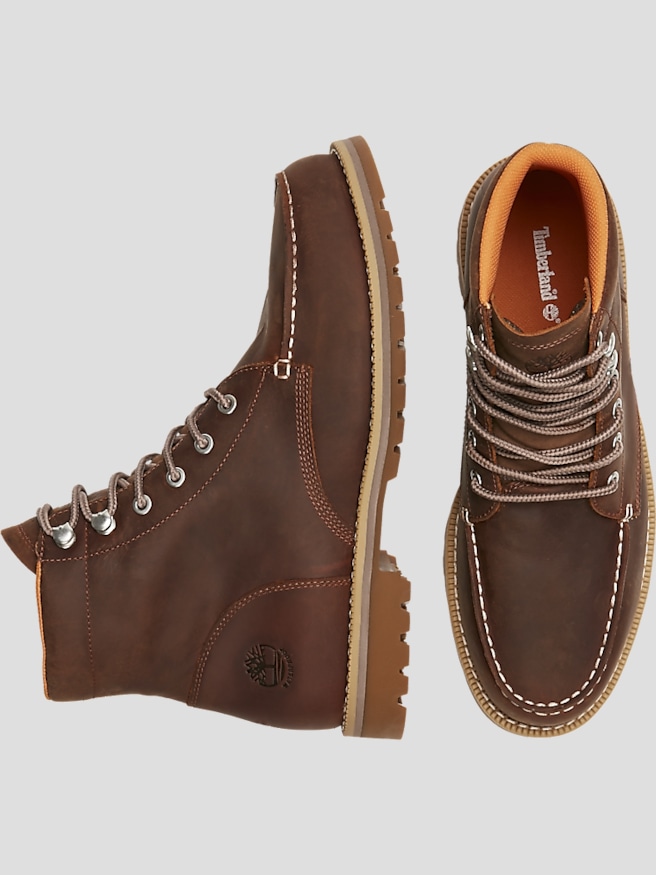
Leather-lined shoes have leather along some or all of the interior surfaces that touch the foot, creating a smooth barrier between the foot and the shoe’s outer structure. That lining is distinct from the upper, which forms the outside of the shoe, and the outsole, which meets the ground. A leather upper does not necessarily mean a shoe also has a leather lining, and a leather-covered footbed does not establish that the entire interior is leather. Material descriptions matter because some designs combine leather at the heel or sides with textile in the forefoot. The appeal of a leather lining comes from its feel, its ability to absorb and release some moisture, and the way it can gradually conform to the contours of the foot. These qualities can make the interior feel more accommodating with wear, although overall comfort still depends on shape, sizing, cushioning, and construction. Leather is naturally porous, but its finish and thickness, along with the other layers in the shoe, influence how readily moisture can move through it. It is not a guarantee of dry feet or a substitute for a well-fitting shoe. Calfskin is one lining material valued for a fine, smooth surface and a supple feel. Pigskin can have a more visibly textured surface and is also used for flexible shoe interiors. The hide alone does not determine quality: tanning, finishing, stitching, and the placement of seams all affect the experience against the foot. A neatly finished heel area and unobtrusive interior seams can be particularly welcome during a full day of meetings or an evening spent standing and greeting guests. Leather linings appear in dress shoes, loafers, boots, and casual footwear, so this interior detail is not limited to one level of formality. It is a consideration for anyone who pays attention to how shoes feel after several hours, not just how they look beneath a trouser hem.
Fit remains the starting point, even when a leather lining feels soft from the first step. The heel should stay comfortably seated, the widest part of the foot should align with the widest part of the shoe, and the toes should have space without being pressed against the front or squeezed from the sides. A close fit across the instep can help a shoe feel secure, but pressure, numbness, or persistent rubbing should not be dismissed as normal breaking in. Leather may soften and yield modestly with use; it will not reliably turn a shoe that is too short or too narrow into the correct size. Trying shoes with the socks intended for regular wear gives a more useful sense of fit than switching between very thin dress socks and thick casual socks. Walking a few steps, turning, and standing still can reveal heel movement or pressure that is easy to miss while seated. For someone who wears orthotics, removable footbeds and enough interior depth may matter more than the lining material alone. Cushioning and arch support come from the design beneath and around the foot, not simply from a leather surface. Intended use deserves the same attention. A sleek lace-up can complement a suit for a presentation, ceremony, or formal dinner, while a loafer can work with tailored trousers or chinos in a less formal setting. Black often creates a crisp, restrained finish; brown and burgundy can bring depth to navy, gray, and earth-toned clothing. For days that include substantial time on foot, Leather Walking Shoes offer a related category to consider alongside outsole grip, forefoot flexibility, cushioning, and secure fastening. A leather interior can contribute to comfort in those settings, but it does not establish that footwear is designed for long distances. The most practical choice brings together the desired appearance, an appropriate sole, and a shape that accommodates the foot without forcing it into place.
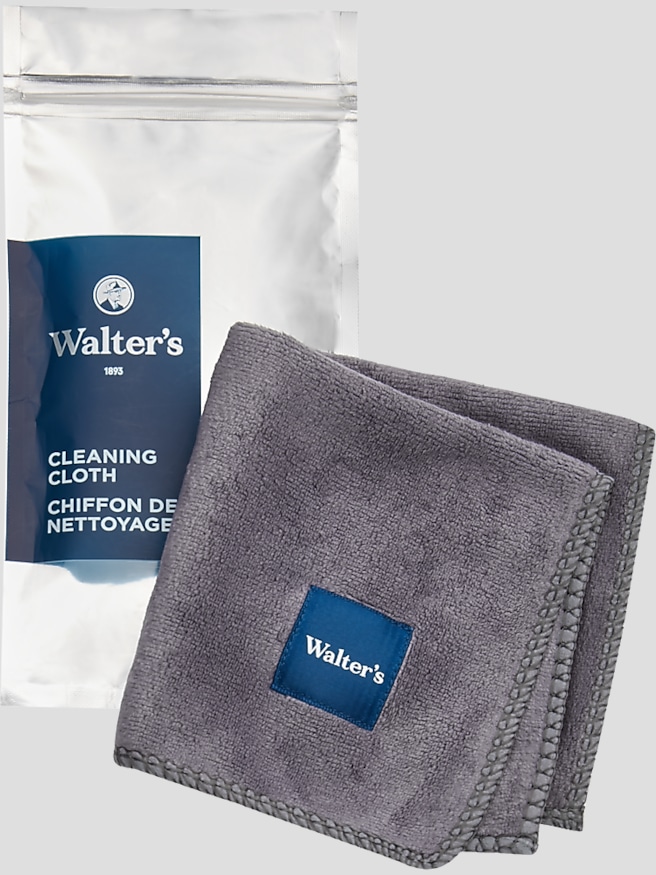
Care for leather-lined shoes involves the inside as well as the visible upper. After wear, opening the laces or loosening the fastening helps the interior air out, and allowing shoes to dry fully before wearing them again gives absorbed moisture time to dissipate. Alternating pairs can be useful for footwear worn through long workdays or frequent events. Properly sized shoe trees can help preserve shape, though they should not stretch the shoe or press aggressively against its lining. Direct heat from a radiator, hair dryer, or similar source can dry leather excessively and affect adhesives, so ordinary air drying is the gentler approach. For routine interior cleaning, follow the footwear maker’s care directions; when permitted, a soft cloth lightly dampened with water can lift surface residue without soaking the leather. Heavy applications of conditioner, oily treatments, and products intended only for exterior polishing may leave the inside slippery or transfer residue to socks. Any treatment used on a lining should be expressly suitable for that purpose and tested in an inconspicuous area first. Durability depends on the quality of the leather and the demands placed on it, not merely on whether the lining is natural or synthetic. Repeated friction at the heel, excess moisture, rough seams, and a poor fit can all shorten its useful life. A shoehorn helps the heel slide into place without repeatedly crushing the back of the shoe, and unfastening shoes before removing them reduces unnecessary strain. Checking the heel lining for thinning or loose edges can also catch wear before it becomes a source of rubbing; some damage may be repairable by a shoe repair professional. For a graduation, career milestone, or personal celebration, leather-lined footwear can be a thoughtful gift when the recipient’s size, width, and preferred style are known. Whether chosen for daily office wear or occasions that call for polished dressing, its lasting appeal lies in the combination of a considered interior, a dependable fit, and care that keeps both surfaces and structure in good condition.