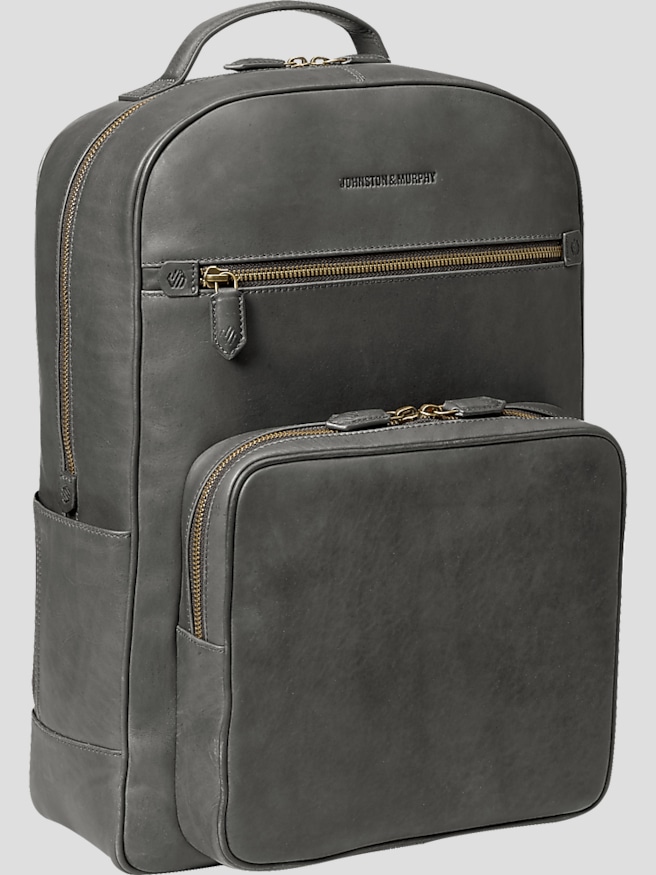
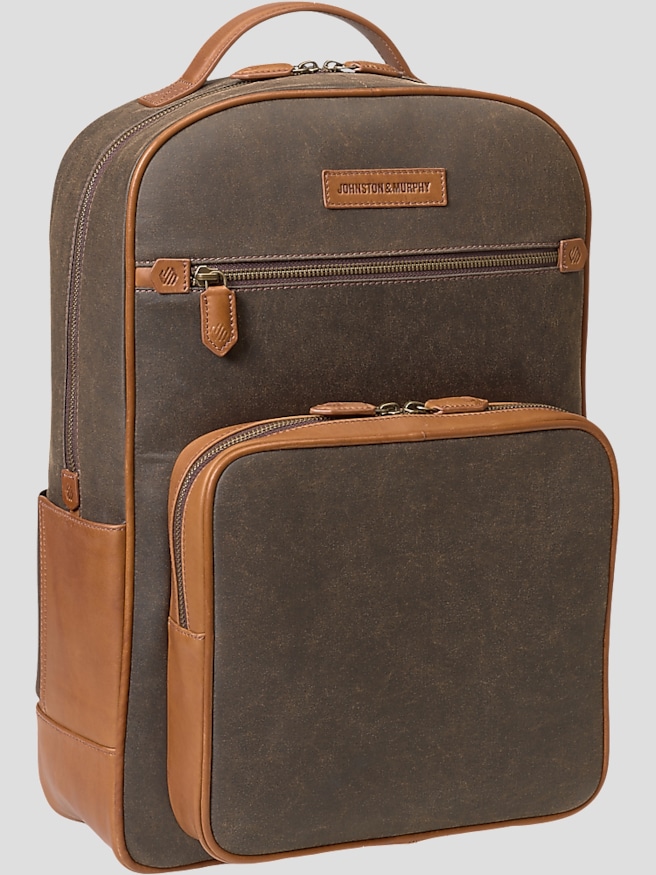
Leather backpacks combine hands-free carrying with the texture and character of a material that can develop a distinctive appearance through everyday use. They work well for commuting, carrying work essentials, and traveling when a conventional briefcase feels too formal or a sporty bag looks out of place. Leather quality, construction, and carrying comfort matter more than appearance alone. Full-grain leather retains the hide’s natural grain surface and may show subtle markings, variations, and creases. With appropriate care, it can develop a patina that gives frequently handled areas a richer appearance. Top-grain leather has had some surface material removed, often through sanding or buffing, and may have a more uniform finish. Neither description, by itself, guarantees how a finished backpack will perform; leather thickness, stitching, lining, hardware, and reinforcement all contribute to durability. A “genuine leather” label identifies real leather but does not establish a particular quality grade or construction standard. Smooth finishes tend to look polished alongside tailored clothing, while pebbled textures bring a less formal feel and can make minor surface marks less noticeable. Firmer leather helps a bag hold its shape, while softer leather allows a more relaxed silhouette. Color also changes the overall impression. Brown shades highlight tonal variation and pair easily with denim, chinos, and textured jackets. Black Backpacks offer a clean, understated option that coordinates naturally with charcoal tailoring, dark denim, and black footwear. Exact color matching is less important than keeping the bag’s finish and proportions in step with the rest of an outfit. A streamlined leather backpack can look appropriate beside a suit without trying to imitate a briefcase, especially when its pockets, straps, and hardware stay visually restrained. For an everyday accessory, a shape that looks equally at home beside an office desk and beneath a café table is often more useful than an elaborate arrangement of exterior details.
The most useful leather backpack is sized around what it needs to carry, not simply how much it can hold. A laptop, charger, notebook, and lunch container create a practical starting point for evaluating capacity. Laptop compartments should be checked against the device’s actual width, height, and thickness, since screen size alone does not confirm a proper fit. Padding can help cushion a device, but it does not make a backpack drop-proof. A compartment that holds the laptop close to the back panel can also keep that weight from shifting outward during a walk. Interior dividers make it easier to separate paperwork from smaller belongings, while an accessible pocket can keep keys from disappearing beneath a charging cable. For someone moving between a train platform, office, and evening plans, a main compartment that opens wide enough to see its contents can be more convenient than several narrow sections. Carrying comfort deserves equal attention. Leather can add noticeable weight before anything goes inside, so the empty bag’s weight matters for longer walks or frequent transfers. Adjustable shoulder straps should allow the backpack to sit close to the body without hanging excessively low. Broad straps, suitable padding, and a supportive back panel can help distribute a routine load, although comfort still depends on the wearer’s build and the amount being carried. A reinforced top handle is useful for lifting the bag onto a desk or holding it while moving through a crowded aisle. Zippers should move smoothly, and strap attachment points should look secure, with stitching and reinforcement suited to repeated lifting. A structured base helps the bag retain its outline, though not every backpack will stand upright on its own. Travel-oriented details, such as a luggage-handle sleeve, may be helpful when included, but airline personal-item limits still need to be checked against the bag’s exterior measurements. Leaving a little room inside makes packing easier and avoids putting unnecessary strain on closures and seams.
Leather backpack care is largely a matter of removing everyday dirt gently, managing moisture, and giving the material suitable support between uses. A soft, dry cloth is often enough for light surface dust. More involved cleaning should follow the maker’s instructions, because smooth leather, suede, nubuck, and coated finishes do not respond to the same treatments. A cleaner or conditioner intended for one finish may darken or mark another, making a discreet spot test important before broader application. Conditioning can help maintain the suppleness of suitable leather, but excessive application may leave residue or alter its appearance. Leather should not be assumed waterproof, and any protective treatment needs to be compatible with the finish. If a bag becomes damp, gently blotting away moisture and allowing it to dry naturally, away from direct heat, is generally safer than using a hair dryer or placing it beside a heater. Spills inside the bag deserve prompt attention as well; a capped bottle and securely closed toiletries help protect both the lining and the leather surrounding it. When the backpack is not in use, emptying heavy contents and adding a little clean packing material can help preserve its shape. Breathable storage, away from prolonged direct sunlight, supports the finish without trapping moisture. Over time, soft creases and subtle changes in color can become part of leather’s character, while loose stitching, sticking zippers, or worn strap attachments warrant attention before damage spreads. These practical considerations also make a leather backpack a thoughtful gift for a graduate, a frequent traveler, or someone beginning a new role. The best choice reflects that person’s actual routine: a compact profile for a light daily load, organized storage for work essentials, or additional space for regular travel. A familiar color, comfortable proportions, and uncomplicated styling make it easier for the recipient to put the bag into regular use. With suitable construction and consistent care, a leather backpack can become a dependable part of getting out the door, keeping necessary belongings together while complementing the clothes worn along the way.