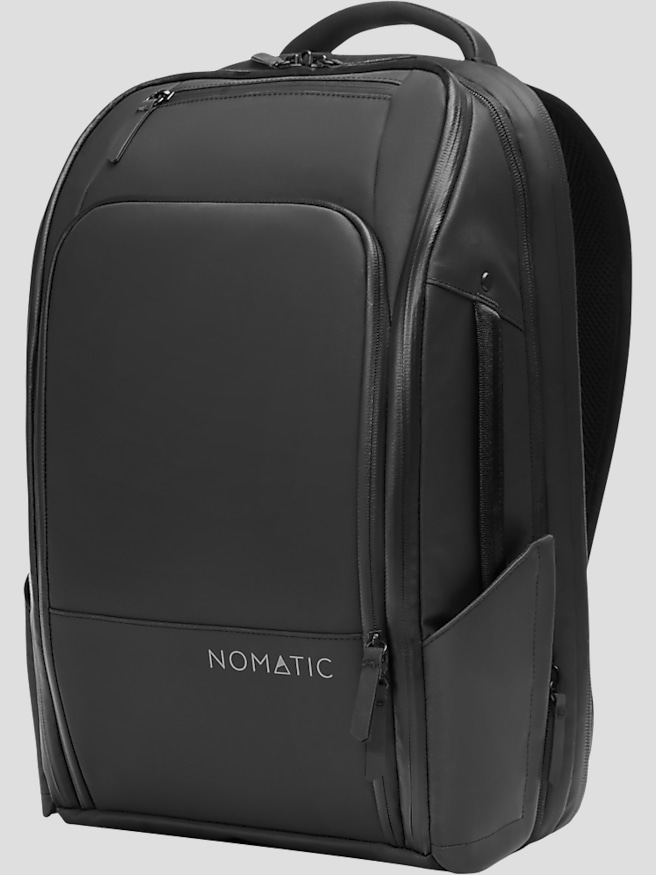
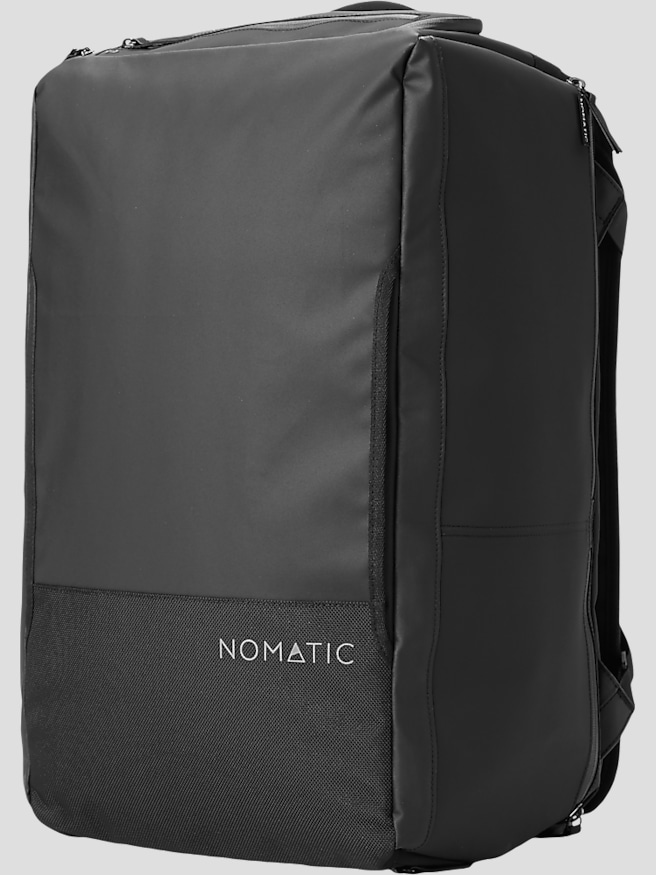
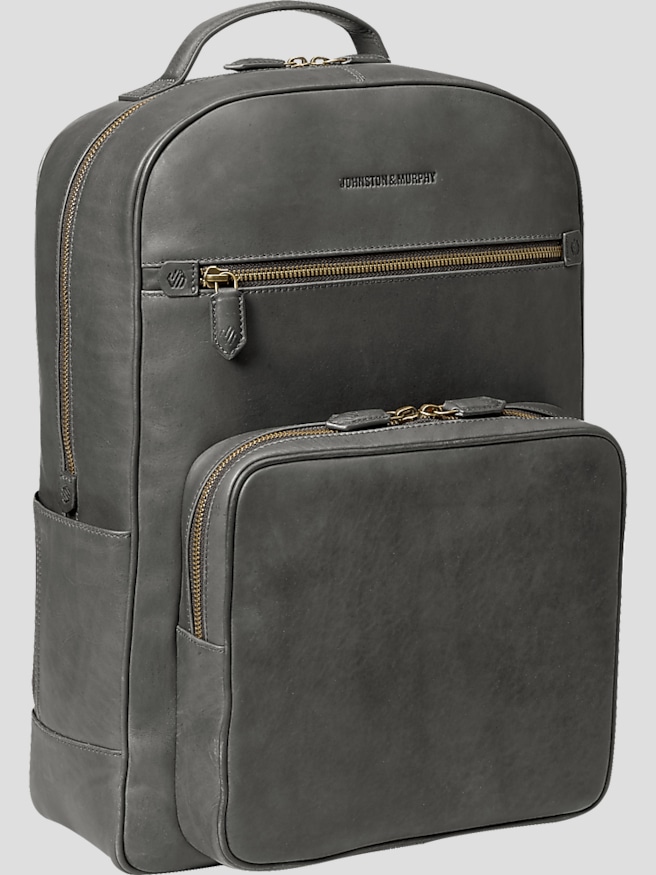
Black backpacks are hands-free carry bags with two shoulder straps, a main storage compartment, and a neutral color that works with a wide range of everyday clothing. Their appeal is practical as much as visual: a black bag can accompany a button-down shirt and chinos, a polo and jeans, or casual athletic clothing without becoming the focal point of an outfit. A classic choice among Men's Backpacks, black designs can look understated and professional while still providing room for the things that move between home, work, class, and the gym. Clean lines, discreet hardware, and a compact profile tend to suit office settings, while additional exterior pockets and adjustable straps support more active routines. Surface texture also makes a difference. Smooth fabric creates a streamlined appearance, woven fabric brings subtle depth, and leather adds a more structured finish. Matte black reads differently from a glossy finish, even when the overall shape is similar. For everyday use, the most useful size depends on the actual load: a laptop, charger, notebook, and lunch container require a different layout than a change of clothes and a pair of shoes. Many everyday backpacks fall around 20 to 30 liters, although capacity alone does not explain how comfortably belongings will fit. A narrow main compartment may hold documents neatly but leave less space for bulky clothing; a wider opening can make packing and retrieving larger belongings easier. Students, commuters, and professionals who move between several locations often benefit from having both hands free for a phone, transit pass, or coffee. For short trips, a black backpack can also keep essentials together without the bulk of a larger travel bag. A silhouette that stays close to the body is easier to manage in crowded elevators and train aisles, and a sturdy top handle offers another way to carry the bag when entering a meeting or moving through a tight space. The combination of subdued color, useful storage, and flexible carrying options gives black backpacks a place in many different routines.
Materials and construction shape how a backpack feels, holds its form, and stands up to repeated use. Nylon is commonly used for its combination of light weight and abrasion resistance, while polyester can provide durable everyday performance with relatively straightforward care. The exact weave, fabric weight, backing, and stitching matter more than a material name alone. Dense fabric at the base is especially useful where a bag repeatedly meets floors, benches, and luggage racks. Leather can develop character with use, though its care requirements and weight differ from those of fabric. Reinforced shoulder-strap attachment points, securely sewn handles, and neatly finished seams are important construction details because these areas carry much of the load. Zippers should move smoothly without catching the lining, and pulls that are easy to grasp make frequent access less fussy. A water-resistant fabric or finish may help with incidental splashes, but that description does not necessarily mean the complete bag is waterproof. Organization is equally important to everyday performance. A dedicated laptop sleeve separates a device from other belongings, while padding can help cushion ordinary bumps; neither replaces careful handling. Sleeve measurements should accommodate the device’s actual width, height, and thickness, including any protective case, rather than relying only on screen size. Smaller compartments give keys, earbuds, charging cables, and pens a consistent place, reducing the scramble at the bottom of the bag. An exterior bottle pocket keeps a drink accessible, though its depth and grip should suit the bottle being carried. A separate section for clothing can help keep a gym shirt away from paperwork, and an opening that reveals most of the main compartment makes a tightly packed bag easier to navigate. Too many pockets can add bulk or divide storage awkwardly, so the strongest layout is often the one that matches familiar habits. Someone who carries only a tablet and a few essentials may prefer a slimmer profile, while a commuter carrying lunch and workout clothing needs more usable depth.
Fit becomes especially noticeable when a backpack is carried beyond a short walk. Adjustable shoulder straps allow the bag to sit close to the back rather than hanging low and pulling away from the body. Padding should rest comfortably across the shoulders without bunching, and the bag’s overall length should suit the wearer’s torso. A broad, heavy pack can feel cumbersome on a smaller frame, while a very compact bag may not provide enough strap length or carrying space for a larger wearer. A shaped back panel can improve comfort, and a sternum strap may help keep shoulder straps in position during longer walks. Carrying the bag on both shoulders generally distributes weight more evenly than using one strap. Placing heavier belongings close to the back also helps keep the load stable; a laptop and books sitting against the back panel usually feel less awkward than the same weight shifting toward the front. With tailored clothing, smooth strap surfaces and careful adjustment can help limit friction, although repeated rubbing may still affect delicate fabrics. Everyday care helps preserve both appearance and function. Emptying crumbs, wiping accessible surfaces, and checking pockets before cleaning prevent small messes from becoming persistent ones. Fabric bags often respond well to gentle spot cleaning, but the care label should determine the method, especially when padding, coatings, or leather trim are present. Leather requires products appropriate to its finish, and soaking or machine washing can damage materials not designed for those treatments. After cleaning, allow the bag to dry thoroughly away from direct heat before storing it. Keeping zippers free of grit and avoiding an overloaded main compartment can reduce unnecessary strain. Black backpacks also make practical gifts for graduations, birthdays, or a new job, particularly when the recipient’s device size and routine are known. A restrained design with useful compartments can serve someone heading to class, settling into an office, or taking frequent short trips, with comfort and thoughtful construction contributing more to daily satisfaction than decorative extras alone.