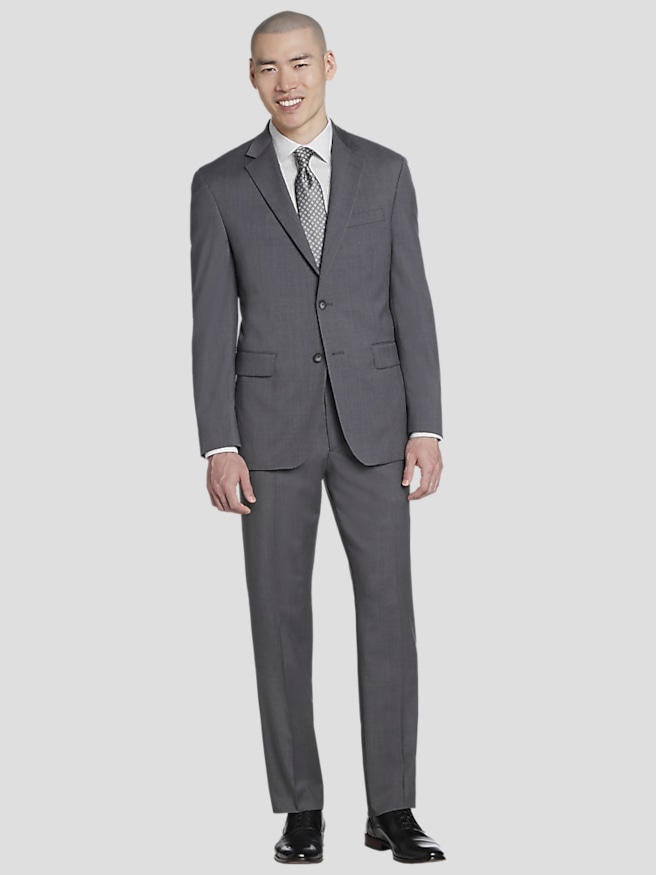
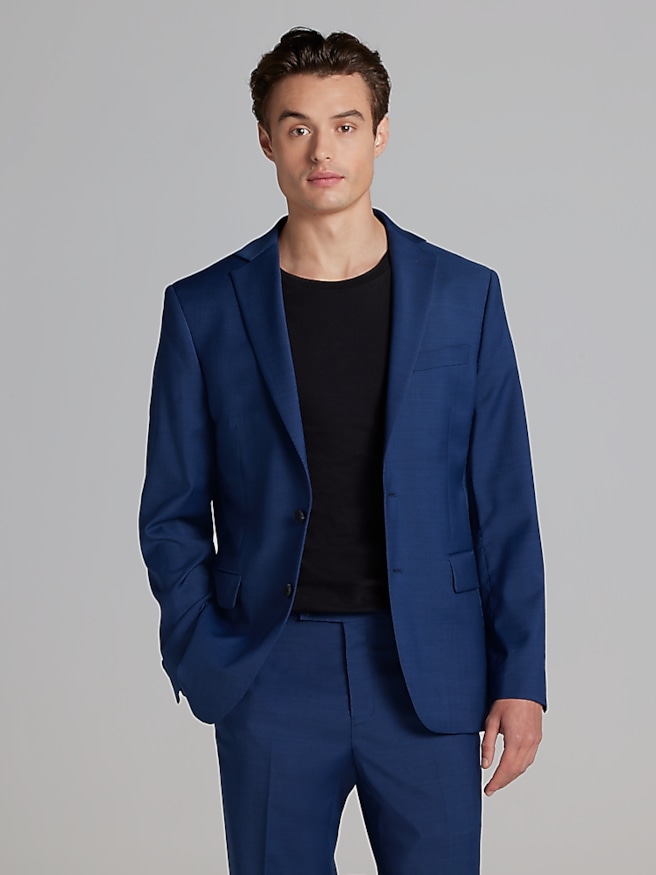
Lapel jackets are tailored jackets with folded fabric sections below the collar that frame the shirt, tie, and face. Those sections, called lapels, help define the jacket’s character, from relaxed sport coats to formal evening tailoring. The three main lapel styles are notch, peak, and shawl. A notch lapel has a small, angled opening where the lapel meets the collar; it is common on business suits, blazers, and sport coats because its clean lines work across many settings. A peak lapel has pointed ends that angle upward toward the shoulders, creating a more pronounced outline often associated with double-breasted jackets, dressier suits, and some tuxedo jackets. A shawl lapel forms a continuous rounded curve without a notch or pointed peak and is most closely associated with tuxedos and dinner jackets. These distinctions matter, but the lapel alone does not determine how formal a jacket looks. Fabric, color, buttons, pockets, and the structure through the chest and shoulders all contribute. A softly constructed jacket with patch pockets generally feels more relaxed than a sharply tailored jacket with a smooth finish and streamlined pockets. Satin or grosgrain lapel facings create the contrast associated with eveningwear, while lapels made from the same fabric as the jacket create a more unified appearance. Width also changes the impression: narrower lapels produce a leaner line, while broader lapels give the chest more visual presence. The most balanced choice usually relates to the wearer’s shoulder width, the jacket’s overall proportions, and, when worn, the width of the tie. For a presentation, wedding reception, anniversary dinner, or an evening at the theater, those small design decisions can make familiar tailoring feel suited to the occasion. A lapel’s roll—the way it curves from the collar toward the fastening point—adds depth and helps the front of the jacket sit naturally rather than looking pressed flat.
Fabric and fit determine how a lapel jacket feels through a full day of sitting, standing, and moving. Wool is a traditional tailoring material because it offers resilience, breathability, and a natural drape that helps the jacket maintain its shape. Worsted wool typically has a smoother surface suited to polished business and occasion dressing, while more textured weaves give a sport coat added depth. Cotton can provide a crisp, less formal appearance, and linen brings a distinctive texture with creasing that is part of its character. Blended fabrics may combine fibers for stretch, softness, or easier upkeep, although the fabric composition and care label provide a better basis for expectations than appearance alone. Lining and internal construction matter, too: a full lining helps the jacket slide over a shirt, while partial lining can create a less enclosed feel. Good fit starts at the shoulders, where the jacket should follow the body without the seam extending noticeably beyond it or pulling inward. The collar should rest close to the shirt collar, and the lapels should lie smoothly against the chest rather than bowing outward. With the jacket fastened as intended, the front should look composed without strained, radiating creases around the button. There should also be enough room to sit comfortably and reach forward without feeling restricted across the back. Sleeve length works best when it complements the shirt beneath, often allowing a small amount of shirt cuff to show. For lasting wear, give the jacket space on a broad, shaped hanger, empty the pockets, and let it air after use. Gentle brushing can remove surface dust, while prompt attention to marks helps prevent them from becoming harder to address. Follow the care label for cleaning and pressing; unnecessary cleaning or heavy-handed ironing can affect the fabric and lapel shape. Rotating jackets between wears also gives fibers time to recover and reduces repeated strain at elbows, pocket edges, and other frequent contact points.
The usefulness of a lapel jacket often comes down to how easily it works with the rest of a wardrobe. Solid navy, charcoal, and medium gray provide a restrained foundation, while subtle checks, visible weaves, and richer colors add interest without requiring elaborate styling. For a business meeting, a smooth jacket over a pressed dress shirt creates a clear, professional outline, with a tie adding another level of formality when the setting calls for it. For dinner or a social gathering, an open-collar shirt or a fine-gauge knit can soften that same tailored shape. A textured sport coat can sit comfortably alongside chinos or dark denim when the occasion permits, while formal evening jackets call for more coordinated choices in trousers, shirts, and accessories. The relationship between the jacket and trousers matters: an intentionally contrasting combination usually looks more convincing than two fabrics that almost match but differ slightly in shade or finish. Accessories can echo the lapel’s proportions without competing with it. A modest pocket square adds a point of interest, and a tie with enough visual weight can balance a broader lapel. Within the broader range of Style Jackets, lapel design helps distinguish understated everyday tailoring from more expressive occasion dressing. These jackets can serve professionals building a work wardrobe, graduates preparing for interviews, wedding guests, and anyone who enjoys dressing with a little more intention. They can also make a thoughtful gift when the recipient’s measurements, preferred fit, and usual dress habits are known. Someone who spends much of the day seated may value comfortable movement, while someone who attends formal events may place greater emphasis on a defined silhouette and refined finishing. The strongest choice is not necessarily the most elaborate; it is the jacket whose fabric, shape, and lapel details feel natural on the wearer and appropriate wherever the day leads.