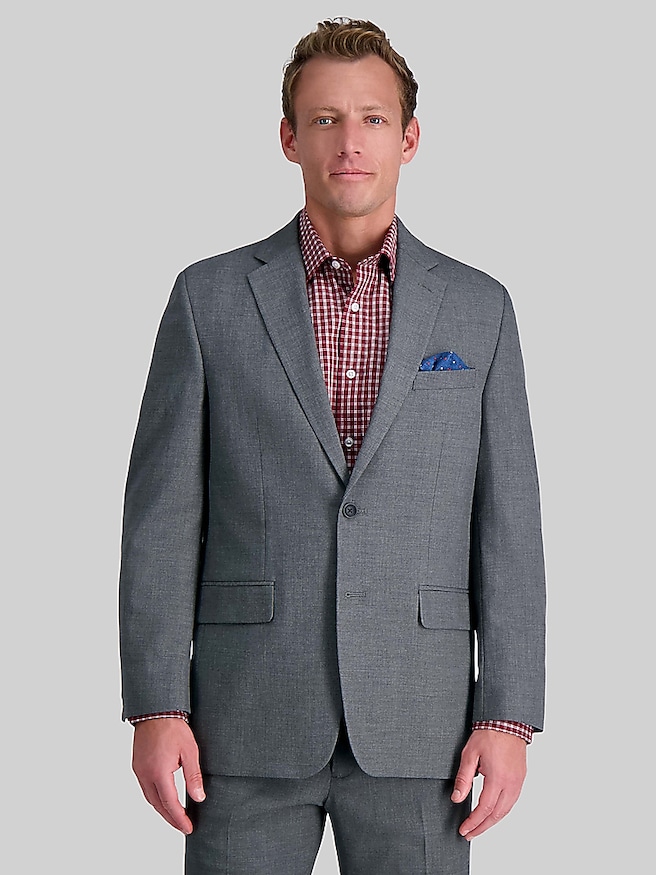
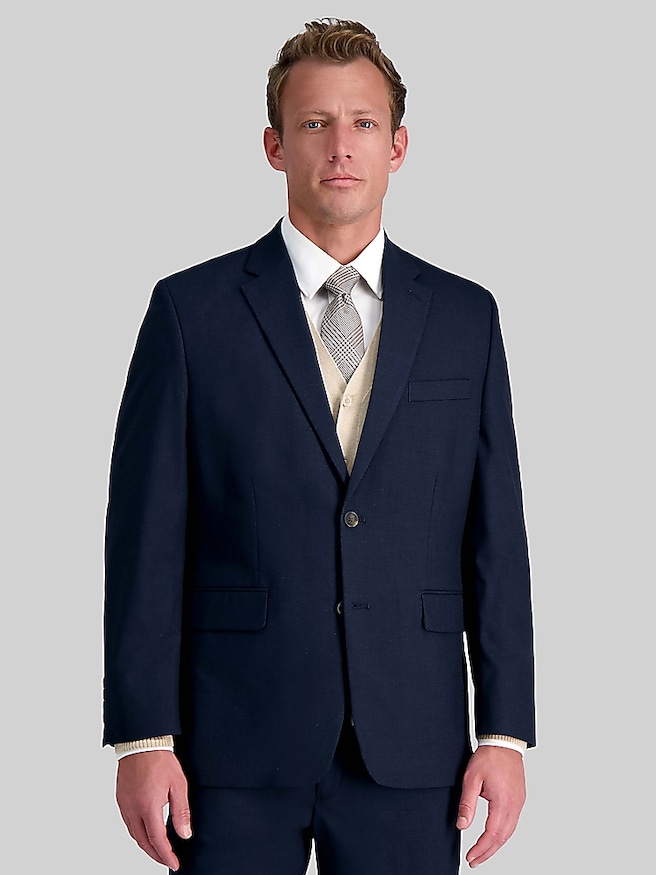
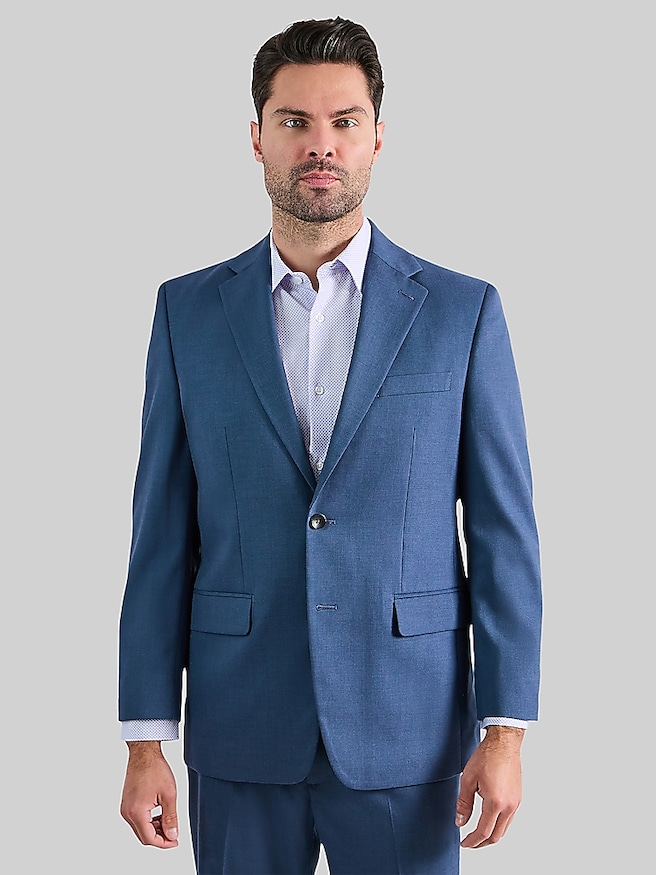
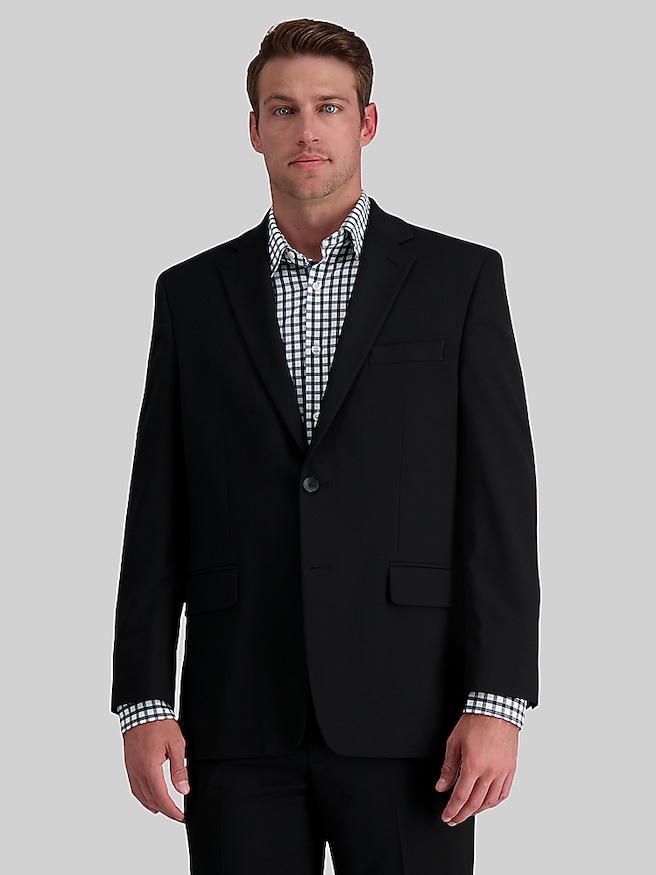
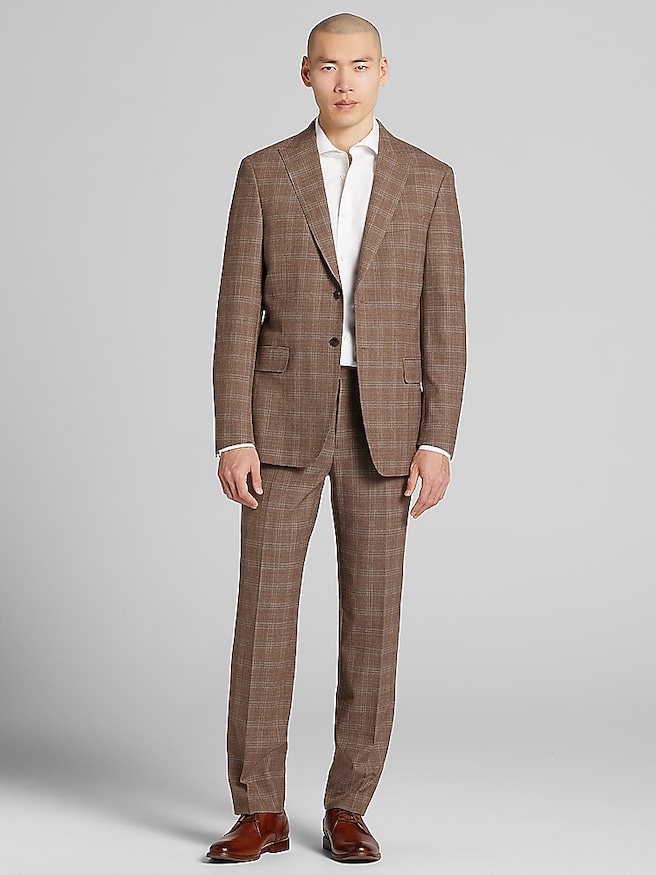
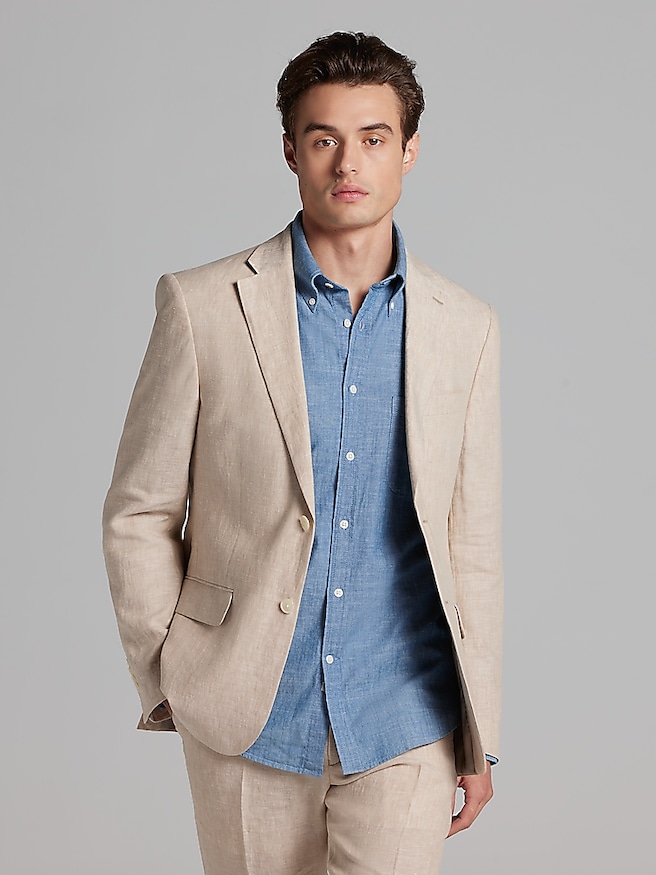
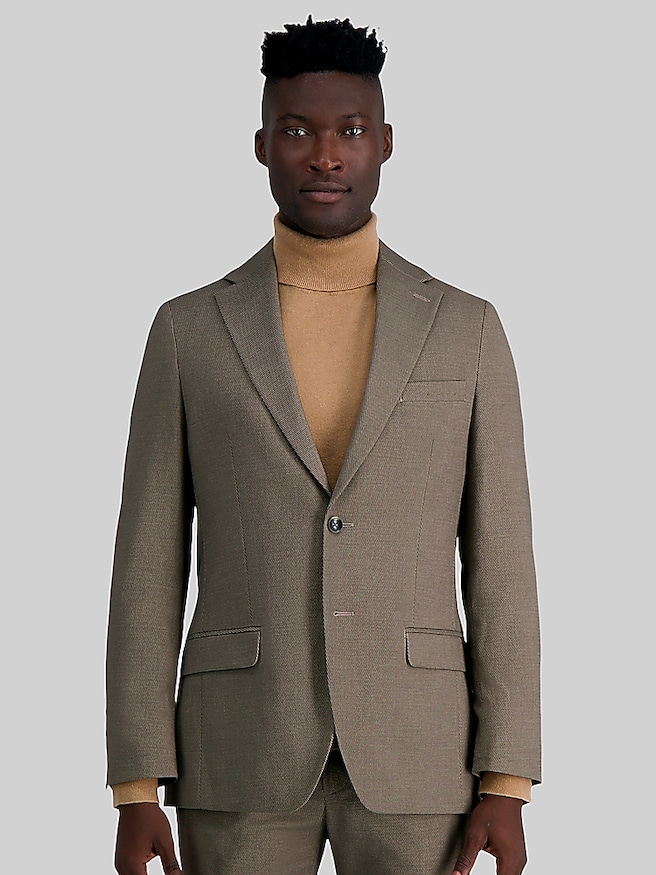
A khaki colored suit brings a warm, approachable tone to tailored dressing while retaining the polish expected from a complete suit. Its sandy, muted finish sits between traditional tan and deeper earth tones, making it especially adaptable for outdoor ceremonies, garden receptions, business-casual offices, travel, and gatherings during the warmer parts of the year. The color has an easy connection to natural surroundings—wooden decks, stone courtyards, green lawns, and sunlit terraces—yet it remains refined enough for occasions that call for a jacket and matching trousers. When choosing a khaki suit, begin with the fabric and the setting in which it will be worn. Cotton and cotton-blend cloth can offer a relaxed hand and breathable feel, while linen or linen blends create an airy texture with an intentionally easygoing character. Synthetic blends may provide useful wrinkle resistance and shape retention for commuting or packing, particularly when the suit needs to move from a suitcase to a ceremony or evening gathering with minimal fuss. A touch of stretch can make sitting, walking, and traveling more comfortable, but the garment should still maintain a clean drape through the shoulders, chest, and trousers. Fit matters as much as color: the jacket should lie smoothly across the upper back, the sleeves should finish near the wrist with a small amount of shirt cuff visible, and the trousers should fall cleanly without excessive pooling at the shoe. A tailored fit creates a sharper outline, while a classic or modern fit may offer additional room and comfort for long days. Consider how often the suit will be worn, too. A breathable, lightly structured style can work for a destination ceremony and later become a dependable choice for relaxed professional settings, while a more structured construction may be better suited to formal presentations or evening events. For a coordinated wardrobe, a khaki suit can serve as a thoughtful gift for a graduate, a groom, a member of a wedding party, or anyone building a first collection of versatile tailoring. It is also a practical choice for someone whose calendar includes celebrations, professional milestones, family portraits, or frequent travel. The warm neutral shade tends to feel less severe than black while remaining more polished than separates, giving the wearer room to look composed without appearing overly formal.
Shirt and accessory choices can guide the suit toward different levels of formality. A crisp white dress shirt creates the cleanest contrast and gives the khaki color a bright, classic foundation. Light blue introduces a cooler counterpoint, while soft pink, pale lavender, and other restrained pastel shades add personality without overpowering the suit. For a relaxed office or daytime gathering, an open-collar shirt can feel natural; for a ceremony, presentation, or evening reception, a neatly pressed shirt with a tie brings more definition. Brown leather loafers and oxfords are reliable companions because their warm undertones connect naturally with khaki, while dark brown footwear provides a stronger visual anchor. Clean white dress sneakers can work in settings that welcome contemporary styling, especially when the rest of the outfit is streamlined and the sneakers are in excellent condition. Match the belt to the shoes, keep the leather finish reasonably consistent, and consider a pocket square in white, blue, or a subtle pattern for a finished appearance. During cooler months, layer the suit with a fine-gauge sweater, textured overshirt, or neatly fitted topcoat in navy, charcoal, olive, or deep brown. A simple knit can soften the look for dinner, while a structured outer layer keeps the proportions sharp when moving between indoor and outdoor spaces. A more textured earth-tone option, such as a Brown Linen Suit, can complement a khaki-focused wardrobe while offering a nearby alternative for occasions that call for additional depth. Before ordering, review the garment measurements rather than relying only on a familiar size, and account for the shirt, undershirt, or knit layer you expect to wear beneath the jacket. Check care instructions as well: some fabrics benefit from professional cleaning, while others can be refreshed with careful steaming and proper airing between wears. Hang the jacket on a broad-shouldered hanger, allow trousers to rest on a sturdy bar, and avoid leaving the suit compressed in a garment bag for extended periods. When traveling, folding along the natural jacket lines and unpacking promptly can help preserve its shape. Small adjustments from a tailor—such as trouser length, sleeve length, or a modest waist refinement—can make an off-the-rack suit feel distinctly personal. With considered fit, breathable construction, and complementary accessories, a khaki colored suit can move comfortably from bright daytime events to polished dinners and cooler-season gatherings, offering a dependable foundation for many well-dressed moments.