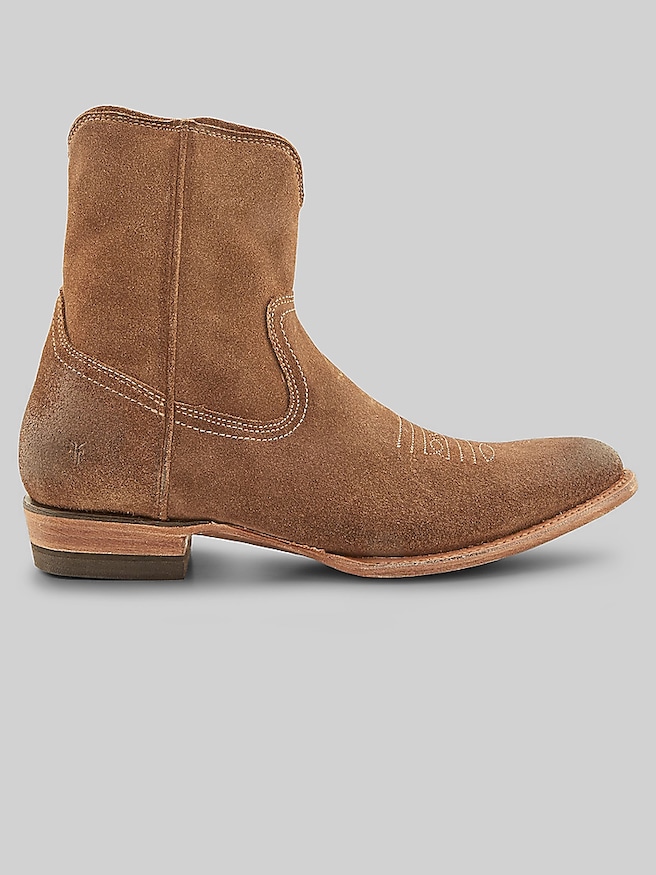
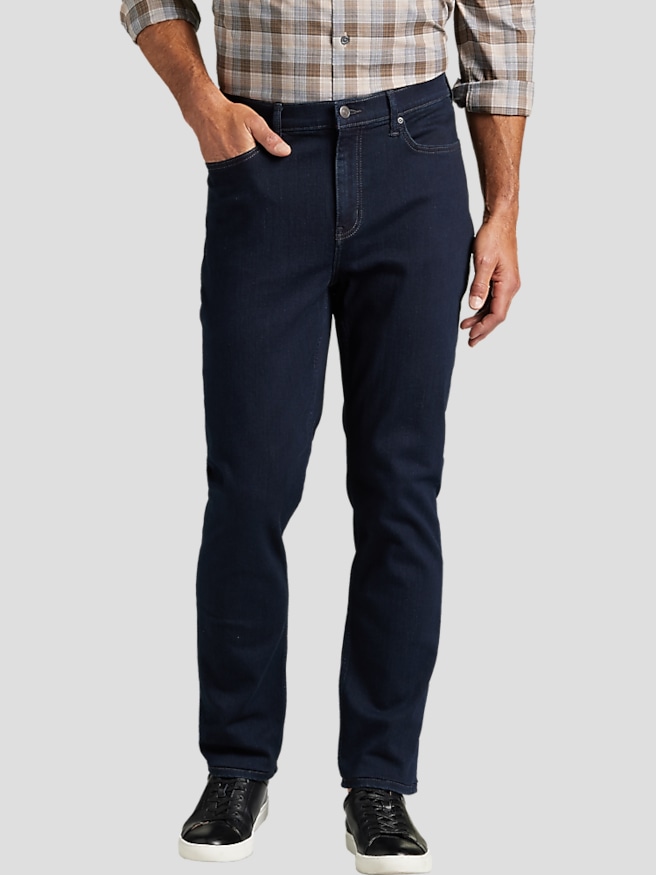
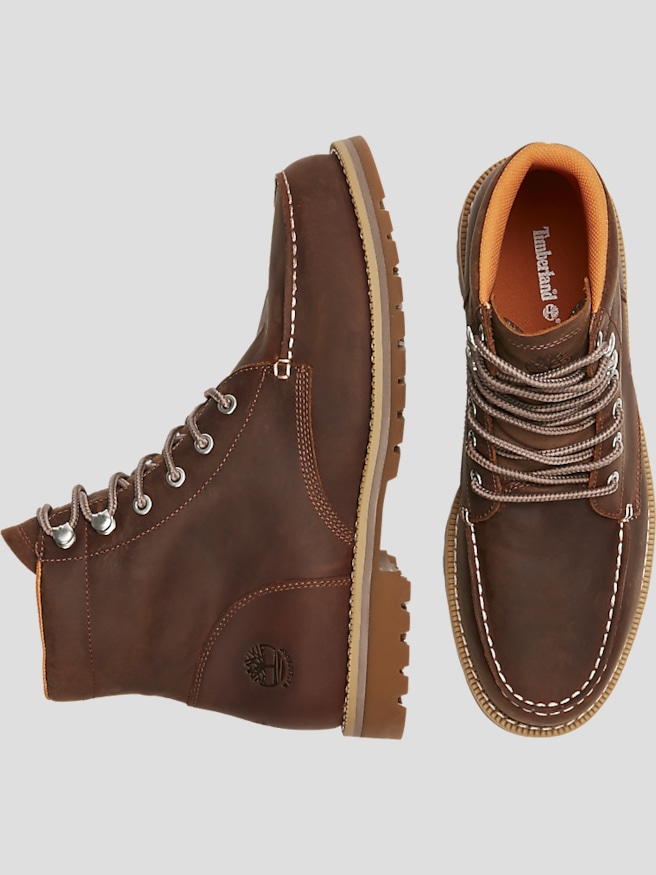
Jeans boots bring two familiar wardrobe staples together, whether denim appears in the footwear itself or in the pants worn above it. Denim boots have denim fabric in all or part of the upper, giving footwear the woven texture, color variation, and casual character associated with jeans. Boots worn with jeans can also have leather, suede, or other textile uppers, with the denim providing the foundation for the outfit rather than the boot’s construction. Both interpretations leave room for personal style, from a clean, understated combination to a more expressive look built around contrast. Dark indigo denim tends to create a quieter impression, while faded washes, pronounced stitching, and textured surfaces draw more attention. The shape of the boot matters just as much as its material: a narrow toe and slim shaft create a different silhouette than a rounded toe, substantial sole, and broader ankle. With denim footwear, simple pants can give the fabric room to stand out without making every part of the outfit compete for attention. With traditional boots and jeans, the relationship between the pant leg and the shaft helps the combination look intentional. Straight-leg denim generally falls naturally over many ankle boots, while a tapered opening needs enough room to clear the upper without catching. A slightly wider opening can accommodate a fuller shaft without pulling the jeans tight around the calf. Hem length also changes the effect. A small break above the instep looks relaxed, while excess fabric can bunch over the foot and hide the boot’s shape. An exposed ankle-height shaft creates a sharper outline when the proportions feel balanced. These details make boots and denim useful for everyday settings such as a casual dinner, an afternoon concert, or a workplace with a relaxed dress code. A plain knit shirt keeps the emphasis on texture; an unstructured jacket adds definition without making the combination feel overly formal. The appeal is the balance between familiar clothing and footwear with enough presence to give an otherwise simple outfit some character.
Materials and construction determine how jeans boots feel in use, not just how they look beside denim. Denim uppers can vary in weight, stiffness, and surface finish, and their comfort depends partly on the lining, seams, reinforcement, and structure underneath the fabric. A soft-looking textile does not necessarily mean a flexible boot, just as a substantial appearance does not guarantee support. Cotton-rich denim may develop creases and fading with wear, while blended fabrics can behave differently depending on their fiber content and construction. For a more traditional pairing, Leather Boots offer a distinct contrast to denim’s woven surface, with smooth or textured finishes that can make the same jeans feel more polished or more rugged. Suede brings a softer, matte appearance, although its care needs differ from those of smooth finished leather. Underfoot, sole design affects flexibility, cushioning, weight, and traction; a thick outsole is not automatically more comfortable, and tread appearance alone does not establish suitability for a particular task. Boots intended for everyday leisure should be evaluated differently from footwear designed and rated for demanding work. Fit begins with enough space for the toes to rest naturally, a secure feel through the midfoot, and a heel that stays reasonably settled while walking. Pressure across the toes, persistent rubbing at the ankle, or a foot sliding forward are reasons to reconsider the fit rather than rely on a lengthy break-in period. Socks make a meaningful difference, especially when their thickness changes the space inside the boot. Side zippers, elastic panels, and laces also affect how easily a boot goes on and how much adjustment is possible. For someone moving between a desk, a commute, and dinner plans, manageable weight and comfortable ankle movement may matter more than a dramatic profile. For someone who favors a distinctive outfit, texture and shaft shape may lead the decision, but comfort still determines whether the boots become part of a regular rotation.
Care for denim boots starts with the complete construction rather than the fabric name alone. Denim clothing may be washable, but that does not make a finished boot suitable for a washing machine: adhesives, linings, reinforcement, and soles can require different treatment. The maker’s care directions should take priority, particularly when denim is combined with leather, suede, or decorative trim. Gentle removal of loose surface dirt with an appropriate soft brush can help prevent buildup, while any cleaner should be tested in an inconspicuous area before broader use. Saturating the upper can affect its finish or internal structure, so cleaning methods need to match the materials involved. Dark denim can also transfer color through contact, making care around pale fabrics and upholstery worthwhile. Smooth leather may benefit from a compatible conditioner, whereas suede generally calls for tools and treatments intended for its raised surface; a single cleaning product is not suitable for every boot. After cleaning, boots should dry as directed, away from concentrated heat that could distort materials or affect bonding. Breathable storage and support appropriate to the boot’s shape help keep uppers from being crushed between wears. Durability comes from the interaction of fabric or leather quality, stitching, outsole construction, and use, rather than one visible feature. Consistent care can preserve appearance, but no casual boot should be assumed resistant to every kind of abrasion or repeated stress. Jeans boots can also make a thoughtful gift for someone who enjoys building outfits around footwear, wears denim frequently, or appreciates a distinctive texture. Familiarity with the recipient’s shoe size, preferred toe shape, usual socks, and favored pant silhouette makes the choice more personal. A streamlined ankle boot suits different preferences than a broad, substantial shape, and a bold denim upper carries a different mood than smooth leather beneath dark jeans. The most useful choice fits naturally into the recipient’s routines, feels comfortable beyond the first few steps, and complements clothing already worn and enjoyed.