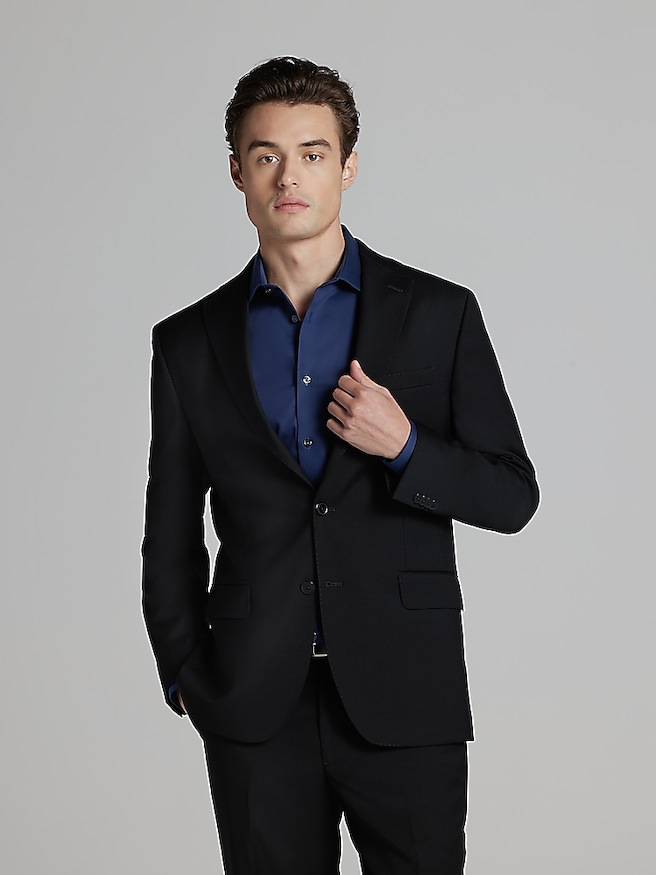
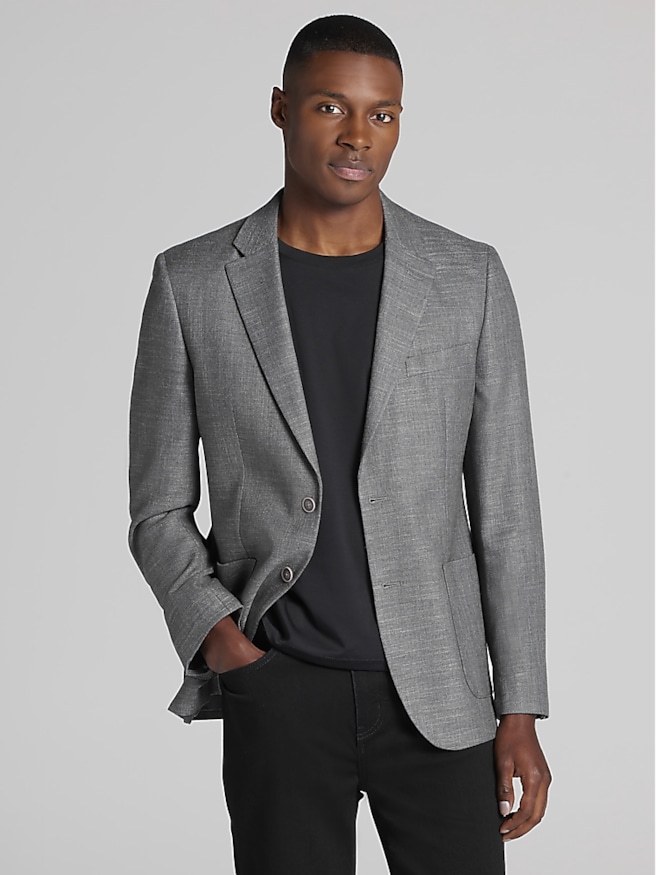
Business casual jackets add structure to an outfit without requiring a matching suit. Blazers and sport coats are classic choices for this dress code because they work with separate trousers, chinos, collared shirts, and fine-gauge knitwear. The effect depends as much on construction and texture as it does on color: a softly tailored jacket with patch pockets generally feels more relaxed than one with pronounced shoulders, a crisp finish, and flap pockets. For an office that expects a polished appearance, a navy blazer over a light blue shirt and gray trousers creates a clear, professional silhouette. In a more informal workplace, a textured sport coat with chinos and a knit polo can feel appropriate for both a team meeting and lunch with a client. Business casual is not identical across workplaces, so the most useful jackets complement the clothing people actually wear there. Dark, clean-lined denim may fit a creative office, while tailored trousers are a more dependable pairing in a conservative setting. Navy, charcoal, medium gray, brown, and muted olive offer plenty of room for outfit combinations without demanding attention. Subtle herringbone, small checks, and textured solid fabrics introduce visual interest at a conversational distance rather than dominating the room. A jacket worn as a separate should also look intentional beside the pants. Some contrast in color, weave, or texture helps distinguish the outfit from a suit with mismatched pieces. A matte, textured jacket over smooth chinos, for example, creates a natural distinction between the two. Lapel width, pocket style, and button details influence the overall impression, but balance matters more than any single feature. A restrained jacket can support a patterned shirt, while a checked sport coat usually looks more settled over a solid shirt or knit. For professionals moving between desk work, presentations, and business dinners, that versatility makes a well-chosen jacket a useful part of everyday dressing.
Fabric and construction shape how a business casual jacket looks, moves, and holds up to repeated wear. Wool is valued for its drape, resilience, and ability to recover from light creasing, making it a practical choice for a jacket that spends part of the day on a hanger and part of it in meetings. Wool blends can combine those qualities with added strength or stretch, depending on the fiber content and weave. Cotton tends to create a more relaxed appearance and may develop visible creasing that suits less formal offices. Linen has a distinctive surface and a naturally rumpled character, while knitted jacket fabrics offer flexibility and a softer outline. None of these materials determines formality on its own; the cut, finish, and accompanying clothes matter too. A tightly woven cotton blazer can look sharper than a loosely constructed wool sport coat. Lining and internal structure also affect the experience of wearing a jacket. A full lining helps it slide over a shirt, while partial lining and softer construction can reduce bulk and allow the fabric to move more freely. Fit brings those details together. The shoulder seam should sit close to the natural edge of the shoulder, and the collar should rest against the shirt collar rather than stand away from the neck. When the jacket is buttoned, the front should lie smoothly without pronounced pulling around the closure. Enough space through the upper back and arms allows comfortable typing, reaching for a notebook, and sitting through a long presentation. Too much extra fabric, however, can obscure the shape that makes a jacket look polished. Sleeve length should leave the hands clear and, with a long-sleeve dress shirt, can allow a small amount of cuff to show. Jacket length should look balanced with the wearer's proportions and trouser rise. Sleeve and waist adjustments can refine the silhouette, while shoulder fit deserves particular attention because changes there are more involved.
The strongest business casual combinations feel consistent from collar to shoes. An open-collar button-down, a softly structured jacket, and straight or gently tapered trousers create an easy professional outfit without relying on a tie. A fine knit polo or crewneck offers another approach when the workplace allows a more relaxed neckline. Smooth loafers, understated lace-ups, and clean leather sneakers each create a distinct impression, with the right choice depending on office expectations. Belts and shoes do not need to match perfectly, but similar levels of formality help an outfit feel considered. For a presentation or a first meeting with a new client, a crisp shirt and tailored pants can give the same jacket a more deliberate finish. For a routine day of collaborative work, chinos and a knit shirt soften the effect without looking careless. The Office Wear Jackets page offers a related starting point for workplace-focused dressing. Long-term usefulness also depends on straightforward care. Following the garment's care label is especially important because the outer fabric, lining, and internal construction may have different cleaning requirements. A broad, shaped hanger supports the shoulders between wears, and emptying pockets helps prevent stretching or an uneven hang. Gentle brushing, when suitable for the fabric, can remove surface dust; spots deserve prompt attention using an appropriate method rather than vigorous rubbing. Professional cleaning should follow the label and the garment's condition, not an automatic schedule after every wear. Secure buttons, tidy pocket edges, and a smooth lining are small details worth checking over time. For someone beginning a professional role, returning to office work, or building a more cohesive wardrobe, a versatile jacket can also make a thoughtful gift when measurements and style preferences are known. Its value comes from fitting naturally into real routines: looking composed at the conference table, feeling comfortable at a desk, and working just as well when the workday ends with dinner.