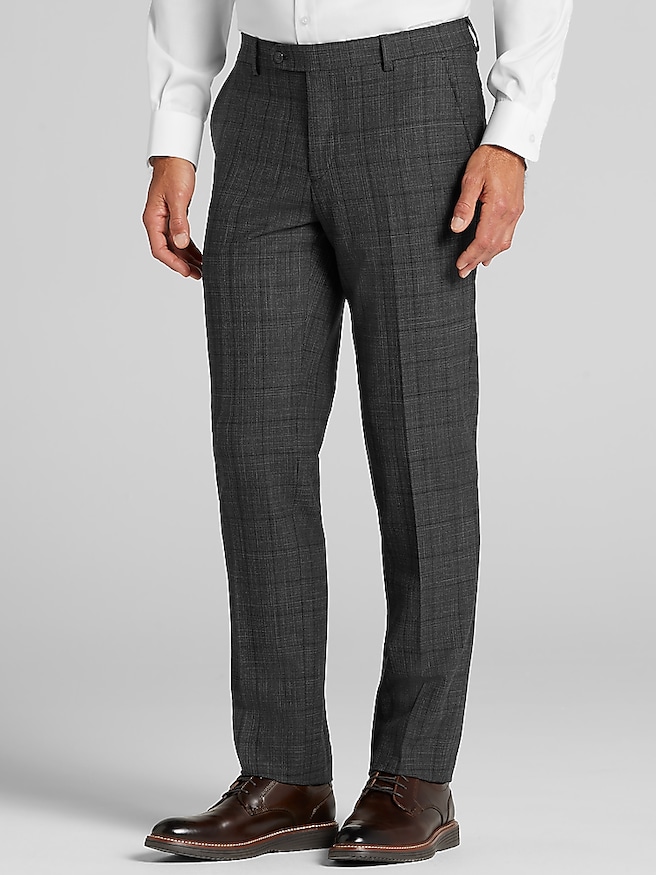
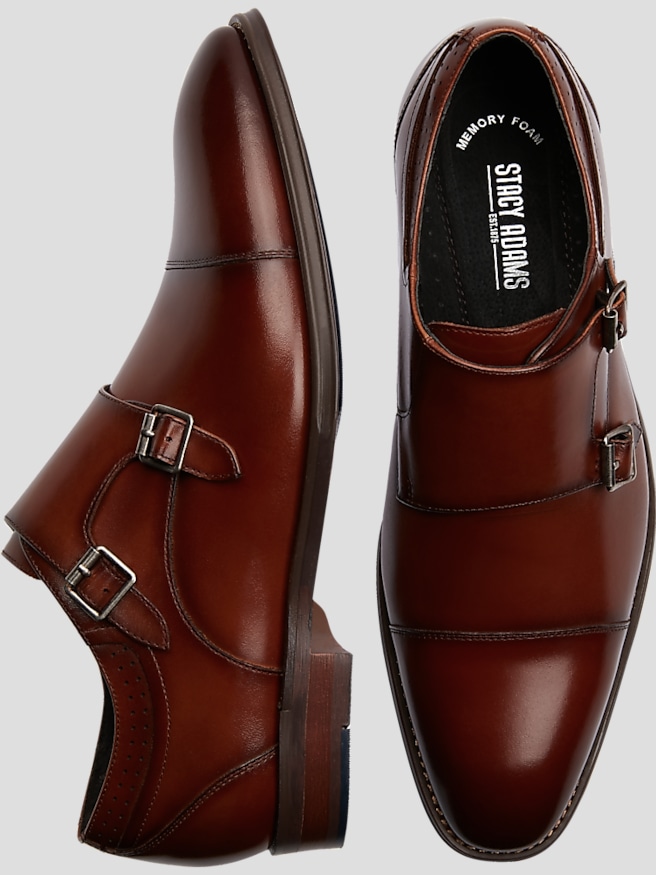
Clean, closed-toe shoes in a neutral color are a dependable choice for most interviews, with leather Oxfords and cap-toe dress shoes especially well suited to formal business settings. The best interview shoes match the workplace’s level of formality, fit comfortably, and look well cared for without drawing attention away from the conversation. An Oxford’s closed lacing creates a sleek profile that works naturally with a suit, while a Derby’s open lacing offers a slightly more relaxed appearance and can provide helpful adjustment across the top of the foot. A cap toe adds a simple line of detail without making the shoe feel overly decorative. Black leather is a straightforward partner for charcoal or navy tailoring, particularly when the setting calls for a conservative appearance. Dark brown leather also complements navy and many gray outfits, giving tailored clothing a polished look with a softer contrast. A restrained finish, balanced toe shape, and understated stitching generally make shoes easier to coordinate across several interview outfits. For workplaces where tailored pants and a collared shirt are more typical than a full suit, business casual shoes provide a useful point of reference for the overall level of polish. A streamlined leather loafer may suit that environment, although lace-up dress shoes remain a more conventional choice when expectations are unclear. The role and organization matter more than a single rule: a client-facing position at a traditional firm may call for more formality than an interview at a relaxed creative studio. Whatever the setting, shoes should look intentional alongside the pants, belt, and shirt rather than like an afterthought. That consistency is useful for a first campus recruiting appointment, a move into management, or a return to the workplace after time away. It allows an outfit to communicate preparation while leaving the focus on experience, qualifications, and the discussion ahead.
Materials and construction influence both appearance and comfort, especially when an interview includes a building tour, several meetings, or a walk between offices. Smooth leather offers a classic dress-shoe finish and can develop a pleasing character with proper care. Its performance depends on the leather quality, lining, construction, and maintenance, rather than the material name alone. Suede has a softer, more textured appearance that can work in less formal settings, but it needs its own cleaning tools and generally looks less traditional than polished leather. Synthetic uppers can provide a neat appearance as well; flexibility, breathability, and care requirements vary, so the details matter. Inside the shoe, smooth linings, thoughtfully placed cushioning, and a supportive footbed can make extended wear more comfortable. A good fit leaves enough room for the toes to rest naturally without allowing the foot to slide forward with each step. The heel should feel secure, and the upper should hold the foot without pinching across the ball or pressing sharply over the instep. Width is just as important as length: choosing a longer size to solve tightness can leave excess space at the toe and create unwanted movement. The socks intended for the interview also affect fit, particularly when switching between thin dress socks and thicker everyday pairs. New leather may soften with wear, but persistent pressure or numbness is not something to count on a break-in period to fix. Beneath the shoe, leather soles tend to create a traditional dress profile, while rubber soles can add cushioning and traction depending on their design. A discreet rubber outsole can still look appropriately polished with tailored clothing. Secure footing and a natural stride are particularly valuable when walking through a lobby, standing for introductions, or following a hiring manager along a hallway. Shoes that feel comfortable before the appointment help keep small distractions from becoming the most memorable part of the day.
Interview shoes also benefit from being useful beyond a single appointment. A simple, well-proportioned pair can move into a regular work wardrobe and serve for presentations, networking events, professional conferences, and other occasions that call for polished clothing. Durability comes from a combination of materials, construction, fit, and care. Even sturdy uppers can wear poorly when shoes fit incorrectly or are repeatedly put away without attention. Removing surface dust with a soft brush or cloth helps keep the finish looking clear, while a conditioner appropriate for the leather can help maintain suppleness. Polish should suit both the material and its color; suede requires a separate approach rather than the creams used on smooth leather. Checking care directions and testing any treatment on a discreet area helps avoid unwanted changes to the finish. Shoe trees can help preserve shape between wears, and a shoehorn reduces the need to crush the heel when putting shoes on. Allowing the lining to air out between wears supports everyday freshness, particularly when the shoes become part of a regular office rotation. Attention to the smaller details makes a visible difference: clean sole edges, tidy laces, and an even finish give a familiar pair a more considered appearance. Excessively worn heels, loose stitching, or a separating sole deserve attention before an important appointment, both for appearance and dependable wear. The aim is not a mirror-like shine on every style, but a clean finish suited to the material. For someone building a professional wardrobe, versatile interview shoes can also make a thoughtful graduation or career-milestone gift, provided the recipient’s size, width, and style preferences are understood. Whether chosen for an entry-level opportunity or a senior leadership conversation, the most useful pair balances appropriate formality with comfort and repeat wear. It should feel at home with the outfit, support an easy walk into the room, and remain a practical part of getting dressed after the interview is over.