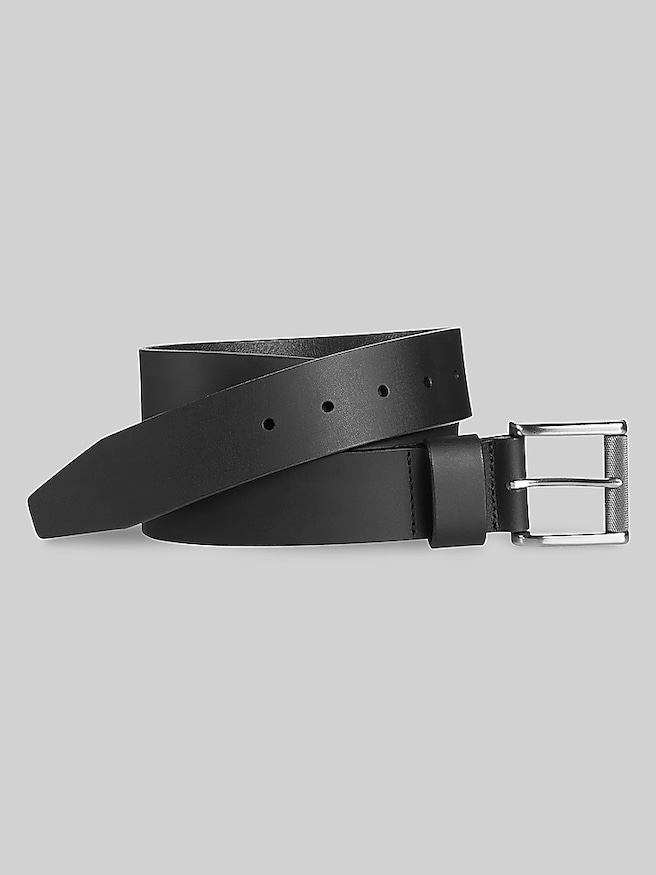
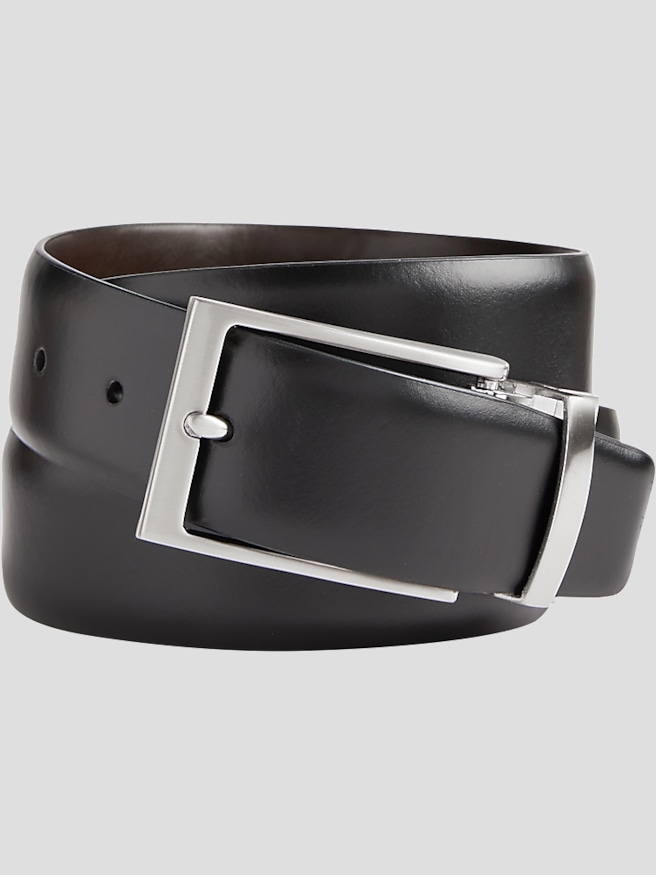
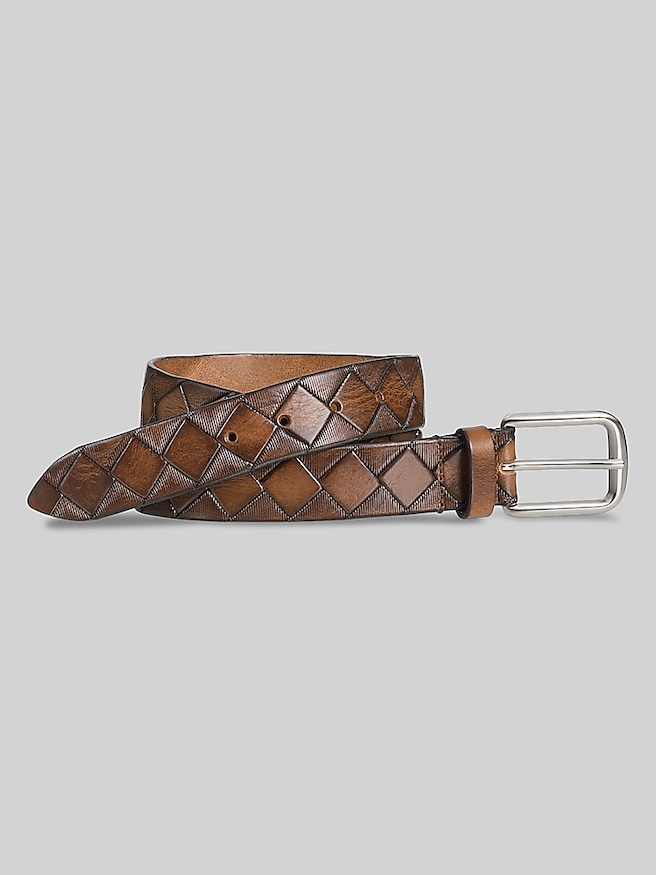
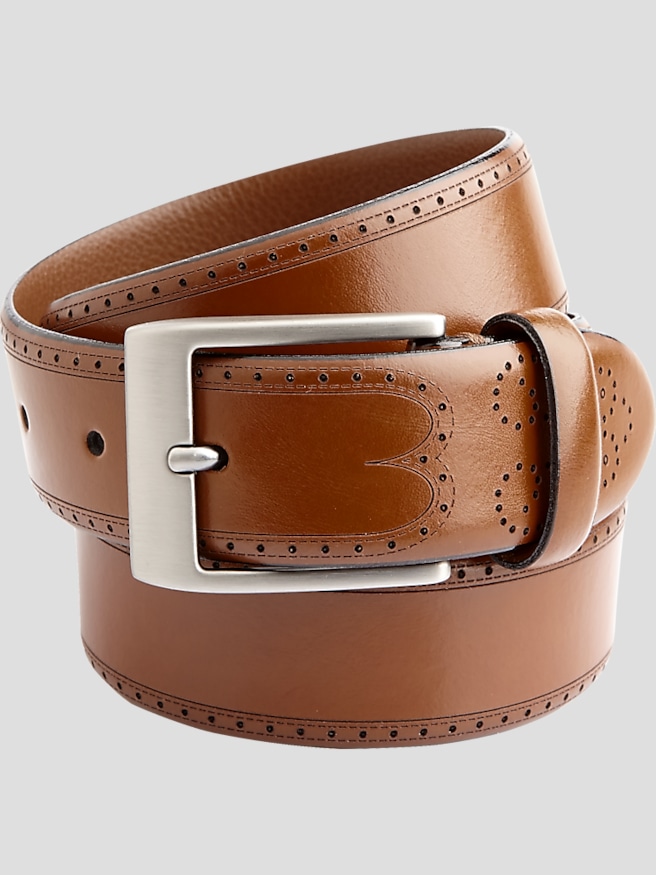
Interchangeable belts are designed for flexibility, giving you the option to change the strap, buckle, or both without replacing an entire belt. In most designs, the buckle attaches near the folded end of the strap with metal snaps, Chicago screws, or a flip-clamp mechanism. This construction makes it easy to move from a polished leather strap for tailored trousers to a textured fabric or webbing strap for jeans and chinos. The result is a practical accessory system that can adapt to several parts of a wardrobe while taking up very little space in a closet or suitcase. When comparing options, start with the attachment method. Snaps are quick to open and close, Chicago screws offer a secure connection with a classic hardware appearance, and clamp-style systems provide a streamlined look with convenient strap changes. The attachment should feel solid when handled, with hardware that sits flat against the belt and does not catch on clothing. A belt that changes easily is useful, but dependable construction matters just as much, particularly for someone who wears a belt throughout a full workday, travels often, or moves between office, dinner, and weekend settings. The appeal of an interchangeable design is its ability to make a familiar outfit feel considered without adding unnecessary complexity. For additional inspiration across distinctive shapes, textures, and finishes, explore Unique Belts.
Width is one of the most important details to check before choosing interchangeable belt components. The strap and buckle must be made to work together, and common widths include approximately 1.25 inches for dress-focused styles and 1.5 inches for more casual wear. A narrow strap generally sits neatly through the loops of suit trousers and dress pants, while a wider strap often feels at home with denim, heavier chinos, and relaxed five-pocket trousers. Measuring a belt that already fits well can provide a more reliable starting point than guessing based on pant size. Lay the belt flat and measure from the hole you use most often to the point where the buckle prong meets the leather, or consult the sizing information provided with the design. For ratchet-style systems, look for a track or cut-to-fit construction that allows fine adjustments in small increments rather than relying only on widely spaced holes. Leather brings a smooth, structured finish and tends to develop character as it is worn, with a softly burnished surface that recalls well-kept shoes and a favorite briefcase. Fabric and webbing can offer a lighter feel, subtle texture, and a relaxed profile that pairs naturally with casual layers. Color also affects versatility: black and brown are dependable foundations, while cognac, tan, navy, gray, and woven patterns can add quiet contrast to an otherwise simple outfit. Check the buckle finish as well, since silver-tone hardware often reads crisp and understated, while warmer metal tones can complement brown leather, earth-tone clothing, and textured fabrics.
An interchangeable belt can be a thoughtful gift for someone building a more efficient wardrobe, refining a work uniform, or preparing for travel during the cooler months. It suits the person who appreciates useful design, keeps clothing carefully coordinated, or prefers a few well-chosen accessories over a crowded drawer. A strap-and-buckle system may also help someone transitioning between professional and relaxed dress, such as moving from a pressed shirt and wool trousers in the morning to a knit sweater and dark denim later in the day. Picture a compact overnight bag holding two straps and two buckles: one smooth and understated for meetings, another with a little more texture for dinner or a weekend walk. That small selection can cover a wide range of outfits without the bulk of several complete belts. For gifting, consider the recipient’s usual trouser colors, the width of the belt loops on their favorite pants, and whether their wardrobe leans traditional, modern, rugged, or minimalist. A neutral strap with a versatile buckle is a dependable starting point, while an additional contrasting strap can make the system feel more personal. Care is straightforward: store leather away from heat and direct sunlight, allow it to rest flat or hang without sharp bends, and wipe dust from hardware with a soft cloth. Fabric straps benefit from gentle brushing and prompt attention to spills. Before wearing a newly assembled belt, check that every snap, screw, or clamp is fully secured and that the buckle aligns comfortably with the center of the waistband. With the right width, attachment system, material, and finish, interchangeable belts offer an adaptable foundation for dressing well through changing routines and cooler-season layers.