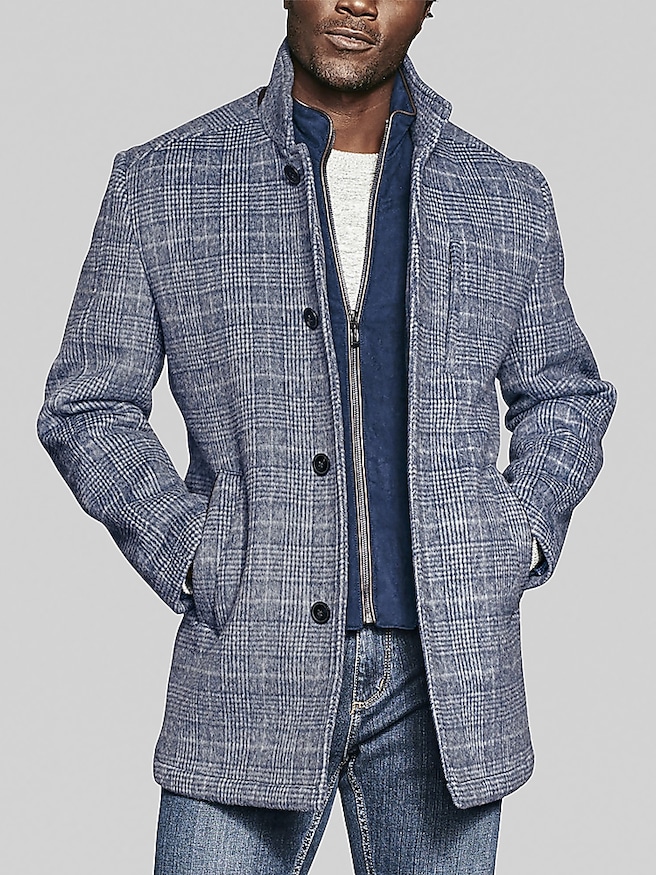
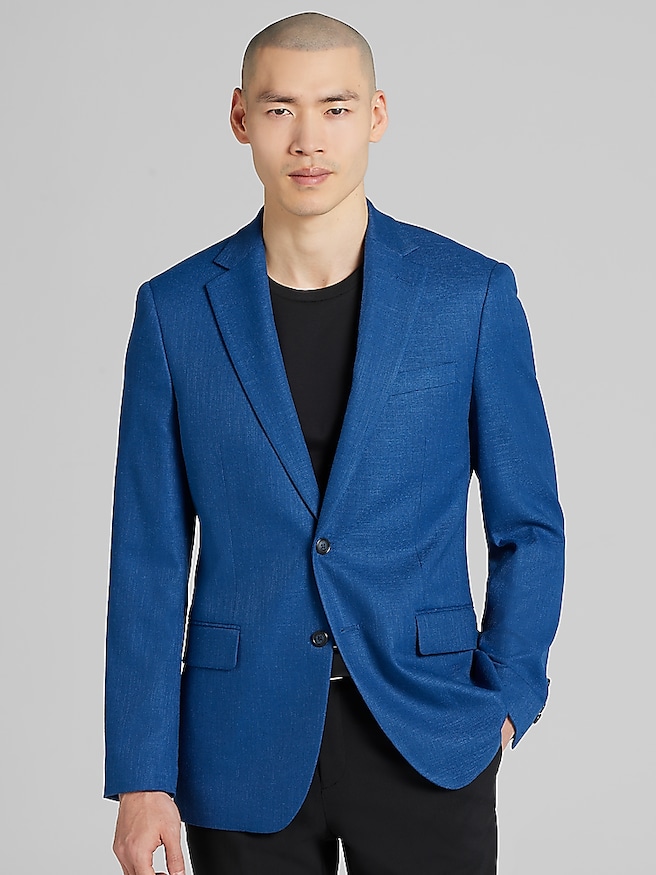
Hooded coats bring warmth, coverage, and everyday practicality into a single outer layer, with shapes that range from relaxed parkas to cleaner, more tailored silhouettes. The hood adds protection around the head and neck when a walk from the train station turns windy or an unexpected shower interrupts the trip home. How much protection a coat provides depends on its fabric, construction, insulation, and fit—not simply whether it has a hood. Wool and wool-blend coats offer a substantial feel and a textured appearance that pairs naturally with office clothing, while tightly woven synthetic shells can provide lightweight coverage against wind and light moisture. Water-resistant fabric helps shed brief precipitation, but it should not be confused with waterproof construction; sustained rain calls for attention to features such as sealed seams and protected closures. Insulated hooded coats offer another consideration for cold-weather wear. Down can deliver considerable warmth for its weight, while synthetic insulation generally retains more insulating ability when damp and may suit routines that involve frequent exposure to wet conditions. Neither fill type tells the whole story, since insulation thickness, shell fabric, and coverage also affect comfort. A longer hem helps shield the upper legs while standing on a train platform, whereas a shorter coat can feel less restrictive behind the wheel. For someone moving between heated buildings and outdoor sidewalks, a coat that opens easily and allows comfortable layering may be more useful than the heaviest possible construction. Details such as a high collar, covered zipper, adjustable cuffs, and secure pockets help determine how the coat works in daily life. A soft pocket lining is especially welcome on a cold walk, while a closure that can be operated with gloves makes a noticeable difference when carrying a briefcase or travel bag. The strongest choice is the one whose coverage and construction match the places it will actually be worn.
Fit gives a hooded coat its balance: enough space for the clothing underneath, without excess fabric bunching at the shoulders or hanging loosely through the body. Trying a coat over a typical layer provides a clearer sense of its proportions than trying it over a thin T-shirt alone. A sweater needs room through the chest and upper arms, and a suit jacket adds structure at the shoulders that a close-fitting coat may compress. The front should fasten comfortably without pulling, and reaching forward should not create a tight band across the back. Sleeve length matters, too; adequate wrist coverage helps prevent a gap when holding a steering wheel or lifting a bag. For wear over tailoring, consider whether the coat hem covers the jacket beneath it, since an exposed jacket hem can interrupt an otherwise clean outline. The hood deserves its own fit check. It should sit securely without dragging the collar backward, accommodate a hat if needed, and allow a clear field of vision when turning the head. Drawcords, tabs, or other adjustments can help refine coverage, while a removable hood offers flexibility when a simpler neckline suits the occasion. A hood does not have to make a coat look sporty. A restrained shape, matte fabric, and minimal exterior detailing can work comfortably with trousers and leather shoes; roomier proportions and prominent utility pockets tend to feel more casual with denim and boots. For a sharper outline, Structured Coats provide a useful comparison in shoulder definition, shape, and the way an outer layer sits over dressed-up clothing. Color and texture also influence versatility. Black, navy, charcoal, and earthy neutrals can coordinate with a broad wardrobe, while a textured wool blend adds visual depth without requiring a bold pattern. The goal is a coat that feels natural with the clothes already worn most often, whether that means weekday tailoring, weekend knitwear, or a mix of both.
Durability in hooded coats comes from the interaction of fabric, stitching, closures, and regular care. Areas that see repeated handling—the pocket openings, cuffs, zipper base, and points where the hood attaches—are worth examining closely. Neat, secure stitching and closures that move smoothly are practical signs of careful construction, though even sturdy outerwear benefits from treatment suited to its materials. Care labels should determine whether a coat can be machine washed, spot cleaned, or professionally cleaned. Wool-rich fabrics may need gentle brushing to lift surface dust and an occasional professional cleaning rather than frequent washing. Insulated coats can require particular washing and drying methods to protect the shell and keep fill evenly distributed; down especially needs thorough drying according to the care instructions. Fabric softener and unsuitable detergents may interfere with the performance of certain technical fabrics, so routine laundry habits do not always translate well to outerwear. After exposure to rain or snow, allow a coat to dry fully in a ventilated area, away from direct heat, before placing it in a crowded closet. A supportive hanger helps maintain the shoulders of a tailored coat, and emptying heavy pockets reduces unnecessary strain on the fabric. For longer storage, clean the coat as directed and choose a breathable storage method appropriate to its construction. These habits help preserve both appearance and function, making a well-chosen coat a dependable part of a wardrobe over repeated wear. Hooded coats can also make thoughtful gifts for someone whose daily routine includes outdoor walks, public transit, travel, or time spent moving between buildings. Familiarity with the recipient’s usual size, preferred fit, and layering habits is more useful than guessing from appearance alone. Someone who wears a blazer most days may value a longer, understated shape, while someone who spends more time in casual clothing may prefer easy movement and accessible pockets. Matching those everyday preferences makes the gift feel personal, with practical value each time it is worn.