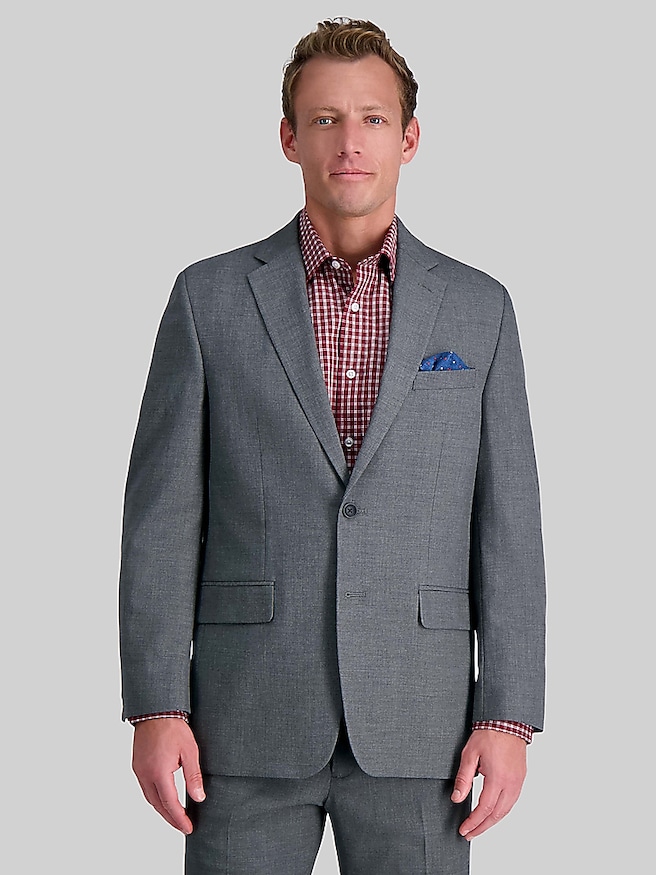
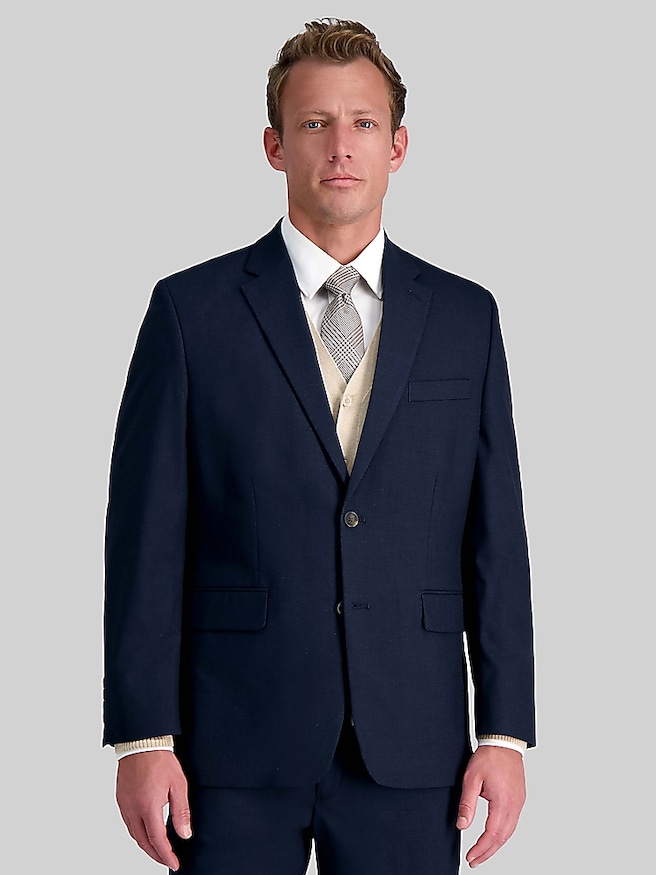
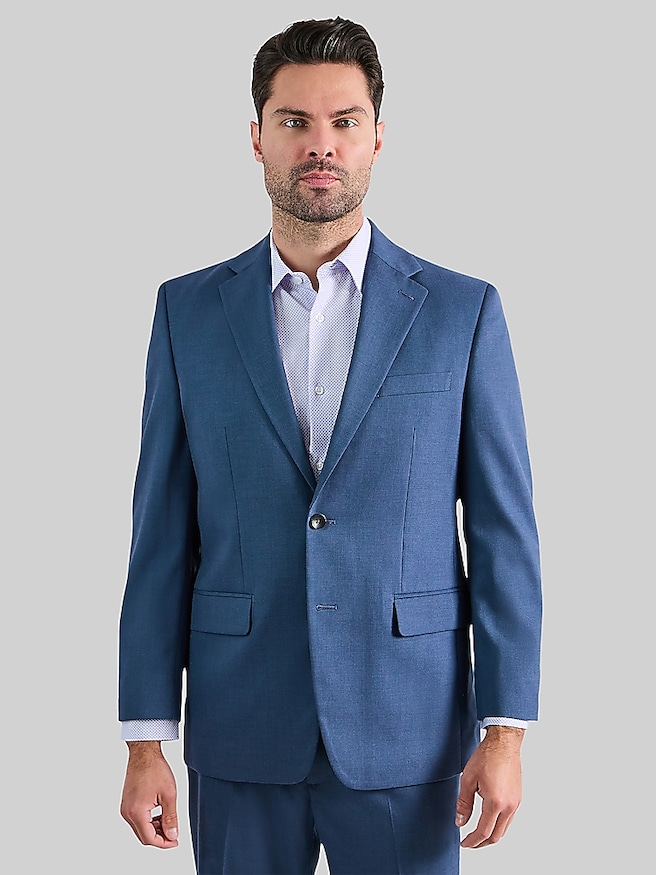
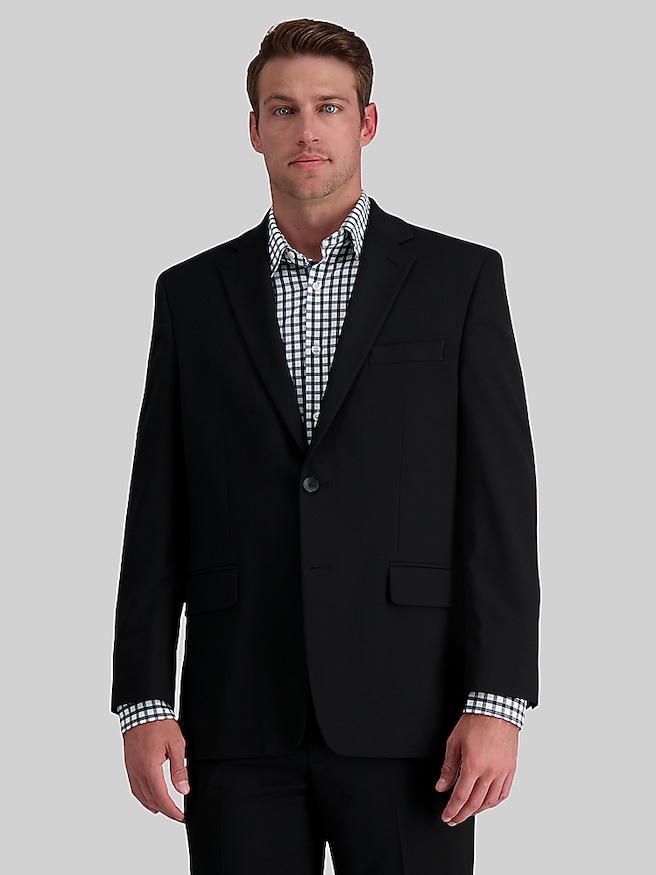
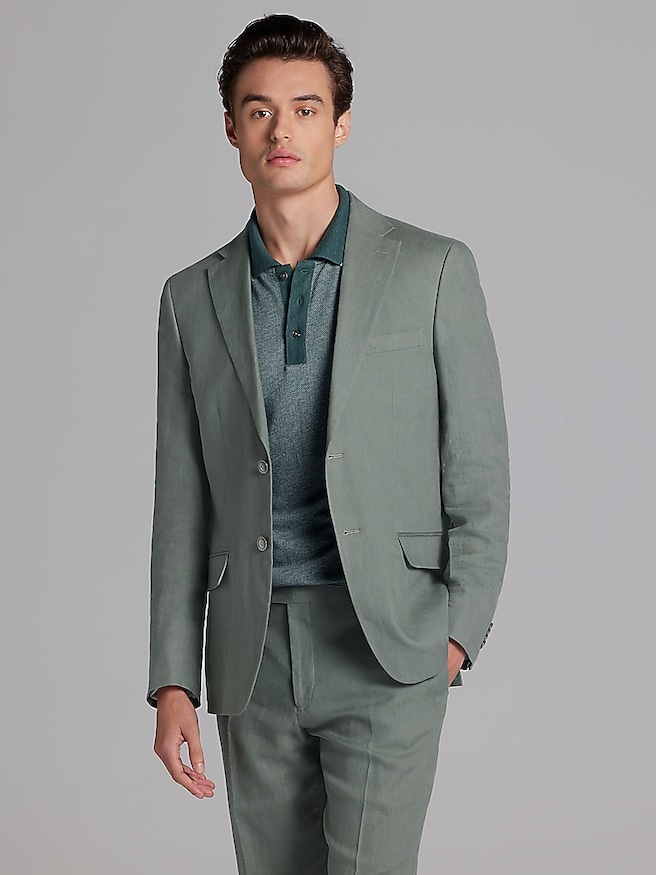
Hipster suits bring a fashion-forward point of view to traditional tailoring, combining a polished two-piece or three-piece silhouette with details that feel individual, unexpected, and often inspired by another era. Rather than following a strictly corporate formula, this style may draw on mid-century tailoring, 1970s leisurewear, European slim cuts, or relaxed vintage proportions. Textured fabrics such as tweed, corduroy, linen, cotton blends, and softly brushed wool can give a suit visual depth, while patterns including houndstooth, windowpane, checks, subtle plaids, and expressive prints make the look memorable without requiring excessive accessories. Earthy shades such as olive, rust, mustard, tobacco, camel, and deep brown naturally suit the cooler months, while charcoal, navy, cream, and muted green offer versatility across changing temperatures and occasions. A hipster suit can be styled for a creative workplace, an engagement party, a gallery opening, a rehearsal dinner, a concert, or a wedding where a standard black or navy suit feels too predictable. It may also be a thoughtful gift for someone who enjoys vintage clothing, independent style, music and arts culture, or putting a personal twist on classic menswear. The best choice depends on how expressive the wearer wants to be: a textured solid or quiet check can serve as an approachable introduction, while a bold pattern or contrasting fabric creates the centerpiece of an outfit. As the weather moves through cooler seasons, layering becomes part of the appeal. A suit jacket can be worn over a fine-gauge sweater, knit polo, or crisp shirt, and the trousers can be styled separately for a more casual look. That flexibility helps a distinctive suit earn regular wear instead of being reserved for a single event.
Fit remains the foundation of a convincing hipster suit, even when the styling is intentionally unconventional. A slim silhouette should follow the body without pulling across the chest, stomach, or seat, and the jacket should allow comfortable movement when buttoned. A cropped jacket or shorter trouser can create a contemporary profile, while a relaxed cut with fuller trousers can convey a vintage-inspired mood. Neither approach should look accidental. Pay attention to the shoulder seam, sleeve length, trouser break, and jacket length, since small adjustments can determine whether the finished outfit looks sharply tailored or merely borrowed. Suit separates are especially useful when the wearer has different jacket and trouser sizes, or when a contrasting combination is part of the desired aesthetic. Consider the setting before choosing color and pattern. A smaller-scale check or textured neutral may transition easily from a daytime ceremony to dinner, whereas a large pattern, saturated color, or highly distinctive fabric may be best for parties and creative occasions. Fabric weight matters as well. Tweed and corduroy add warmth and structure during cooler months, while lighter blends can be more comfortable indoors or in milder weather. Look for a clean interior finish and enough room to add a shirt or lightweight layer beneath the jacket. The right suit should feel like something the wearer can inhabit naturally: structured enough to look intentional, but comfortable enough for walking between venues, greeting friends, sitting through a long dinner, or dancing late into the evening. Care instructions are worth reviewing before purchase, particularly for textured materials and patterned pieces that may require specialized cleaning or careful storage.
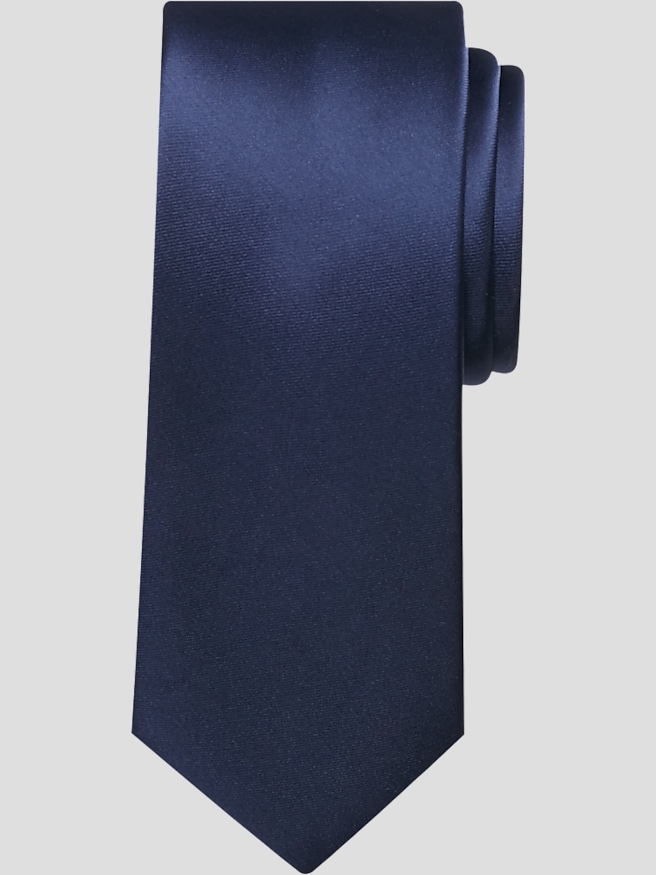
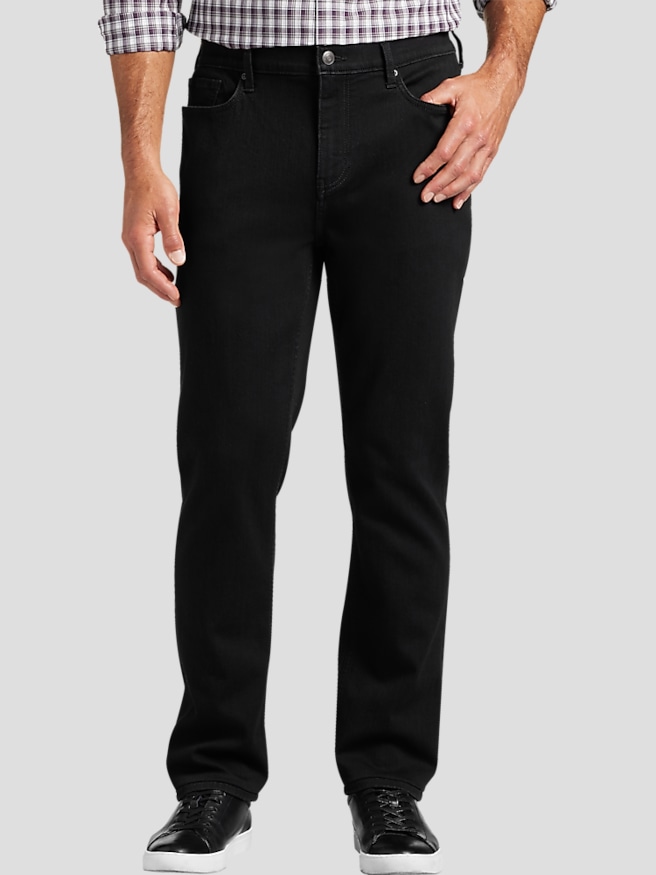
Styling is where hipster suits become genuinely personal. A crisp button-down creates a refined foundation, while a turtleneck, band-collar shirt, knit polo, or softly patterned shirt can shift the mood toward retro or contemporary. Pocket squares, suspenders, lapel pins, scarves, and distinctive ties provide room for character, although one or two strong details usually have more impact than wearing every statement accessory at once. Footwear can guide the overall impression: leather loafers and brogues keep the outfit tailored, boots add a rugged edge, and clean canvas sneakers create a relaxed contrast when the occasion permits. Trousers may also be worn independently with knitwear, overshirts, or Men's Urban Pants for a wardrobe that feels coordinated without looking overly matched. During the cooler months, a wool coat, textured overcoat, or patterned scarf can build on the suit’s character while keeping the proportions balanced. For gifting, consider the recipient’s existing closet and daily routine rather than choosing solely by novelty. Someone new to expressive tailoring may appreciate a versatile neutral with subtle texture, while a seasoned dresser may welcome a dramatic check, rich color, or vintage-influenced cut. Include practical considerations such as intended occasion, preferred fit, climate, and whether the wearer favors tailored or relaxed clothing. With thoughtful proportions and a few well-chosen details, hipster suits can make formal dressing feel less rigid and more like an extension of personal style—polished enough for important moments, distinctive enough to be remembered, and versatile enough to keep returning to the closet.