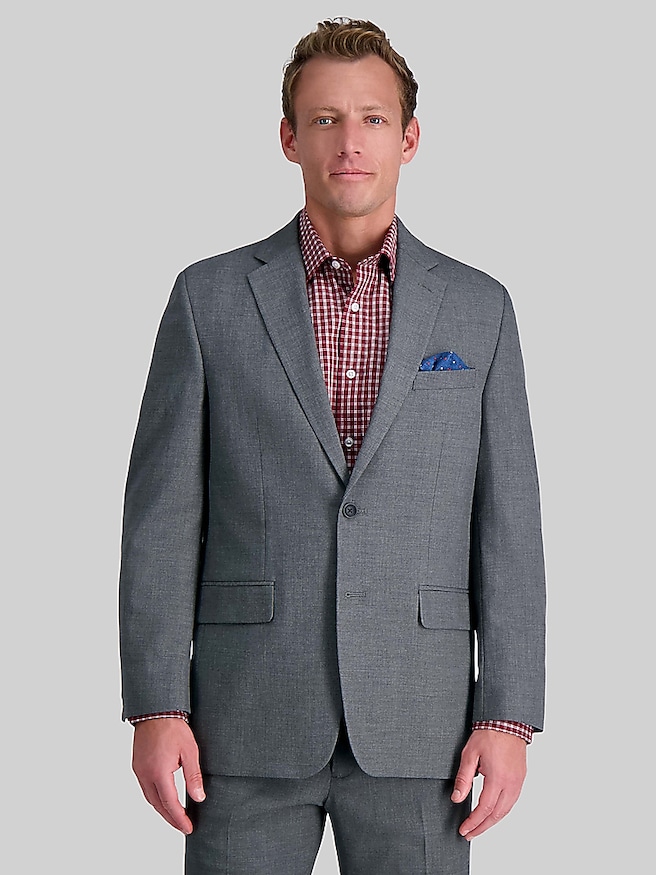
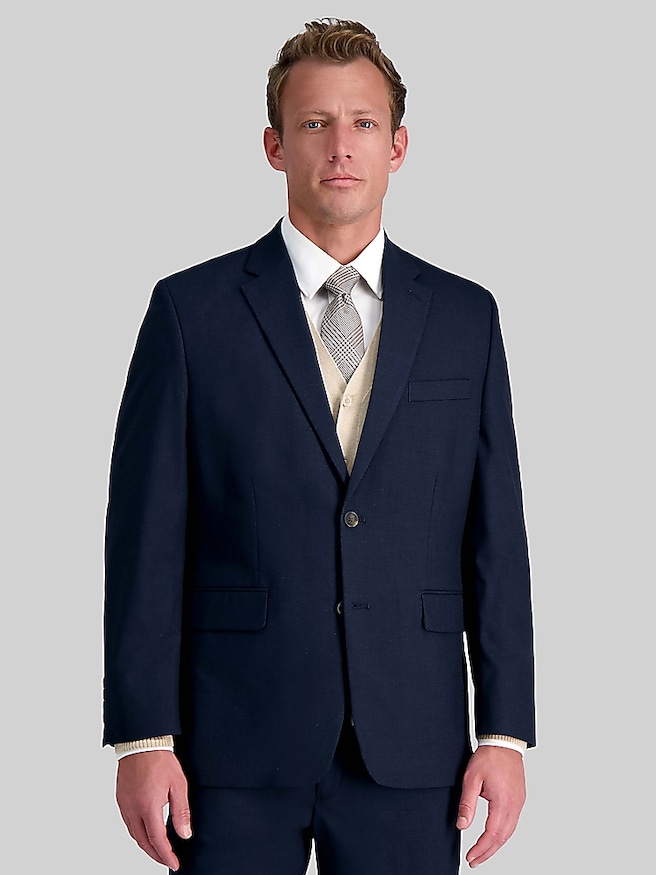
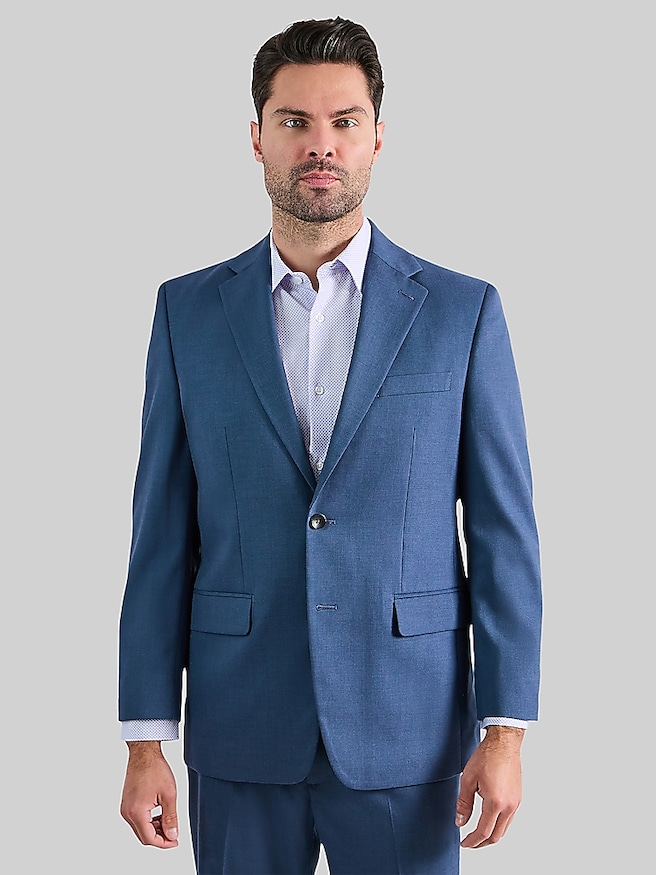
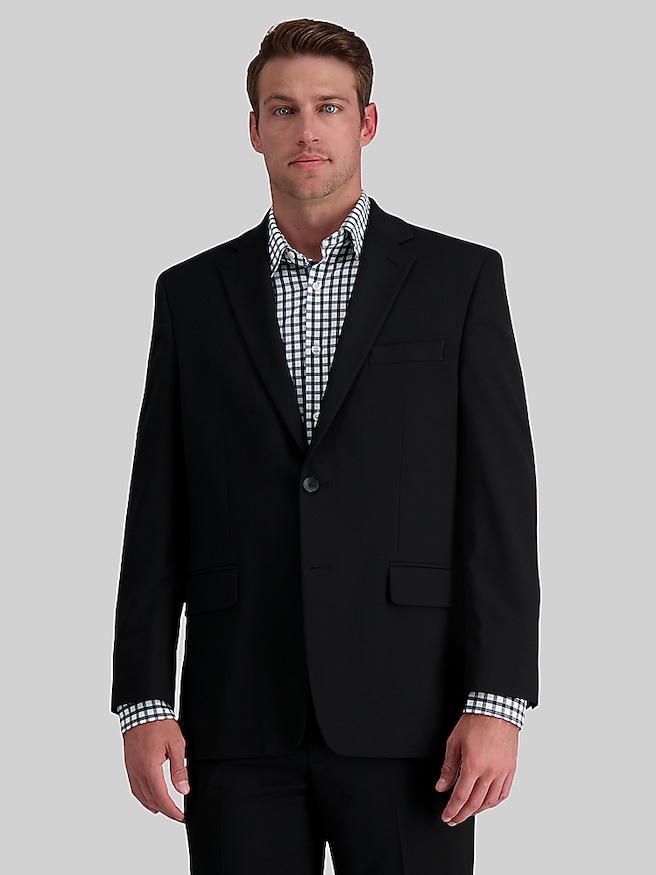
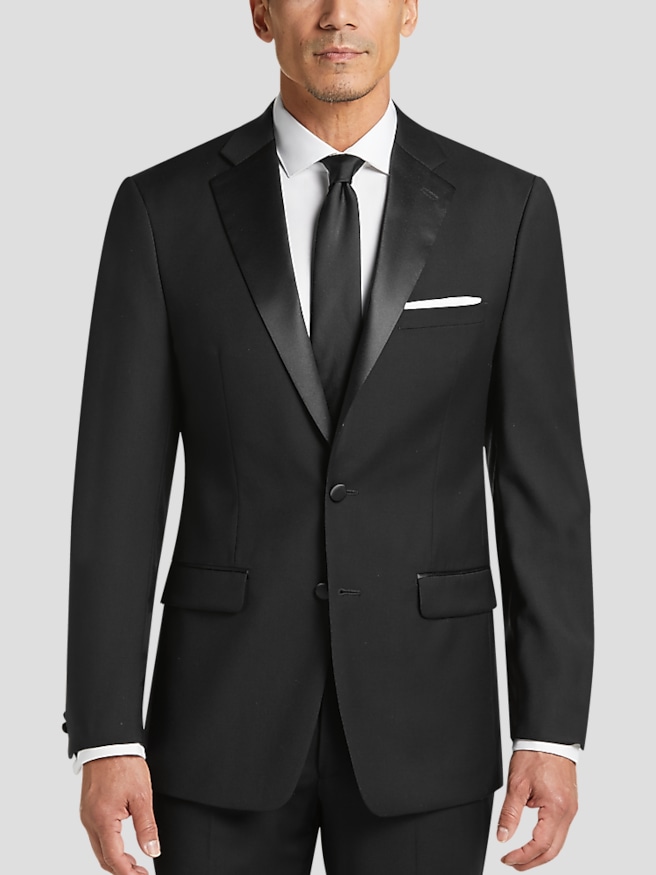
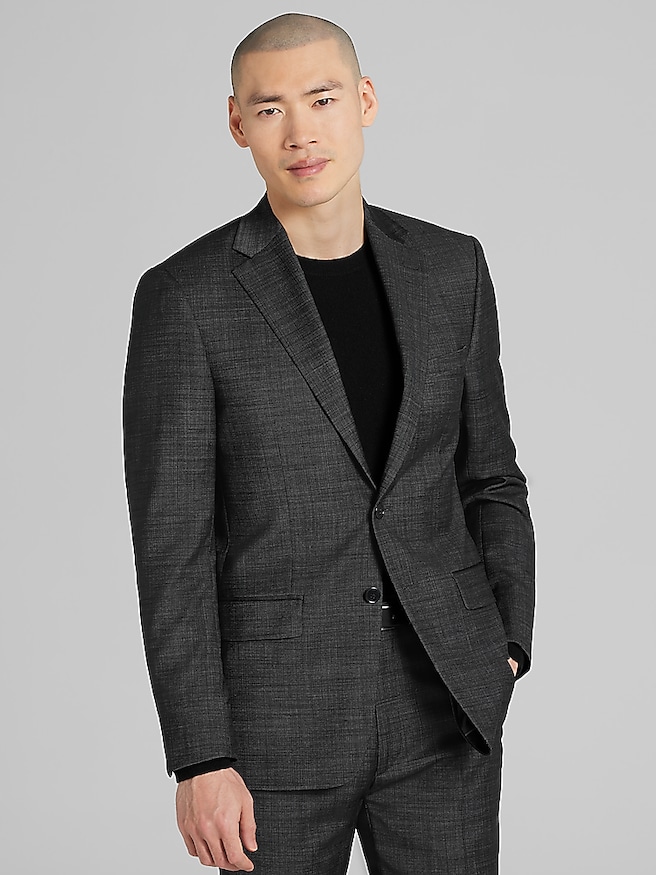
Finding the right groom’s dad suit is about honoring the importance of the day while fitting naturally into the wedding party’s overall look. The father of the groom should generally dress at the same level of formality as the rest of the celebration: a tuxedo is appropriate when the wedding party is wearing tuxedos or the invitation calls for black-tie attire, while a refined suit is a strong choice for semi-formal, cocktail, or formal weddings. The venue, ceremony time, and season can help guide the decision. An evening celebration in a ballroom may call for the polished lines of a classic tuxedo, while a daytime ceremony at a garden, vineyard, or outdoor setting may feel more natural with a tailored suit in a versatile neutral or deep seasonal shade. Navy and charcoal are dependable choices that photograph beautifully and can be worn again after the wedding, while a three-piece suit adds a distinguished layer for a particularly formal celebration or a cooler-weather event. The goal is not for the groom’s father to disappear into the background, but to look connected to the wedding party without appearing like an extra groomsman. Matching the overall level of polish is more important than copying every detail. If the groomsmen are wearing solid suits, the father of the groom can choose a coordinating shade or similar fabric with a different tie, pocket square, or shirt. If the wedding party has a coordinated vest and tie combination, a subtly different accessory can create distinction while preserving a unified appearance. A boutonniere selected by the couple or floral designer can provide another meaningful point of connection. For additional direction on silhouettes, colors, and ceremony-ready combinations, explore Groom's Suit Ideas.
Comfort and fit matter just as much as color, especially during a wedding day filled with standing, photographs, greetings, and long stretches of conversation. A well-fitting groom’s dad suit should lie smoothly across the shoulders, close neatly without pulling at the button, and allow enough room for natural movement. Sleeves should reveal a small amount of shirt cuff, while trouser hems should rest cleanly over the shoes without excessive bunching. These details may seem subtle when viewed on a hanger, but they become noticeable in family portraits, during the ceremony, and in candid photographs shared for years. Consider the full schedule before choosing the final outfit. A father who will help escort guests, participate in a reading, give a toast, or spend much of the reception on the dance floor may appreciate a breathable fabric, a flexible cut, and layers that can be adjusted as the day changes. During warmer weather, lightweight construction and breathable shirt fabrics can make formalwear feel easier from the first photograph to the final farewell. As the weather turns cooler, a three-piece suit or a formal jacket with a coordinating trouser can add warmth without compromising the clean appearance of the outfit. Footwear should complement the formality of the clothing and be comfortable enough for hours of wear; it is wise to break in dress shoes before the celebration rather than introducing them for the first time on the wedding day. The same attention should be given to belts, socks, cuff links, watches, and pocket squares. These accessories do not need to match the groomsmen exactly, and a personal touch can make the outfit feel more authentic. A favorite watch, a family heirloom, or a pocket square in a color associated with the couple can bring quiet meaning to the ensemble without competing with the wedding design.
Planning early makes it easier to compare formalwear options, coordinate colors with the couple, and arrange alterations or rental timing when needed. The father of the groom may already own a suit that appears suitable, but an important wedding deserves a careful review of its fit, condition, and formality. A jacket that worked for a business meeting may not have the structure or finish needed for a formal ceremony, while an older suit may fit differently after changes in weight or preference. Trying on the complete outfit together—including the shirt, shoes, and accessories—gives a more accurate impression than evaluating each piece separately. It also helps reveal practical concerns, such as a sleeve that needs shortening, trousers that require hemming, or a vest that feels restrictive when seated. For families coordinating from different locations, shared color guidance and measurements can help everyone arrive in complementary attire without requiring identical outfits. The groom’s father may also be shopping for a gift for another important man in the wedding party, such as a father of the bride or a close family member, and formal accessories or a thoughtfully chosen suit can be useful, lasting gifts when personal style and sizing are well understood. Still, the most meaningful choice is one that reflects the wearer’s personality while respecting the couple’s vision. A reserved father may feel best in a classic dark suit with a crisp shirt and understated accessories, while someone who enjoys traditional formalwear may prefer the added presence of a tuxedo or three-piece suit. During the warmer part of the year, lighter colors and breathable textures can complement an airy venue; during the cooler months, deeper tones and layered tailoring create a grounded, celebratory look. With the right balance of formality, coordination, comfort, and personal character, a groom’s dad suit helps him look confident in every photograph and feel fully present for one of his family’s most memorable occasions.