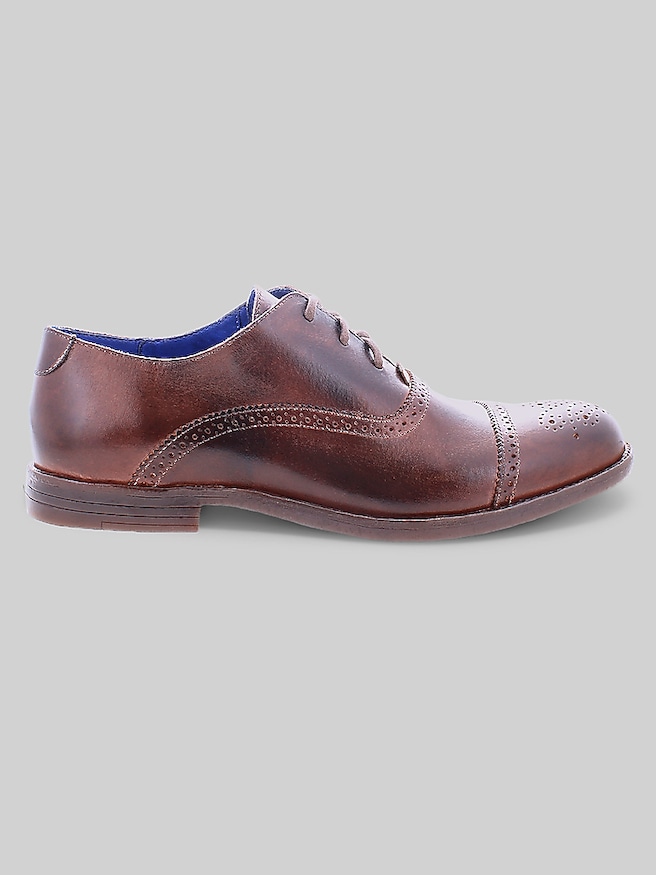
Goodyear welted boots are defined by their construction: a narrow strip of leather or another durable material, called the welt, connects the upper to the boot’s bottom assembly. In typical Goodyear welt construction, one row of stitching joins the welt and upper to a rib beneath the insole, while a separate row attaches the outsole, sometimes through a midsole, to the welt. That separation is the practical advantage. A qualified cobbler can usually replace a worn outsole without replacing the upper, helping a well-maintained pair remain useful through repeated wear. Many designs also include a cork filling beneath the insole that gradually compresses underfoot, contributing to a more personalized feel. Goodyear welting does not automatically make a boot waterproof, lightweight, or suitable for every kind of work; the upper, outsole, lining, and overall design still determine how it performs. What it offers is a durable foundation with the potential for repair. For everyday dressing, that foundation can support anything from a streamlined leather boot worn with tailored trousers to a more substantial lace-up style paired with denim. Smooth leather gives a clean, polished impression, while suede adds texture and a softer visual finish. Full-grain leather retains the hide’s natural surface and can develop character with use, though leather thickness, tanning, and finishing also influence flexibility and durability. A plain toe keeps the profile understated, a cap toe adds a defined line across the front, and broguing introduces decorative detail. The perforations and sweeping toe pattern associated with men's brown wingtip boots can complement textured tailoring as naturally as dark jeans. Color and finish matter alongside construction: brown leather often works well with navy, gray, olive, and denim, while a darker, smoother finish can create a dressier appearance. The most useful choice is a boot whose shape and detailing fit the clothing already worn regularly, rather than one selected for the construction method alone.
Fit is especially important with Goodyear welted boots because a structured leather upper and substantial sole may feel firm at first. The foot should sit securely through the heel and instep without pinching, and the toes need enough space to move naturally rather than pressing against the front. Leather can soften and yield modestly in areas of pressure, but a break-in period should not be expected to correct a boot that is too short or painfully narrow. The last—the form around which a boot is shaped—affects toe room, heel width, and the overall silhouette, so the same labeled size can feel noticeably distinct across designs. A rounded toe may provide a roomier impression, while an elongated profile can look more tailored without necessarily offering extra usable space. Trying boots with the socks intended for regular wear gives a more realistic sense of fit; thicker socks occupy room that a thin dress sock leaves open. Lacing should hold the foot comfortably without requiring excessive tightening, and the boot should bend near the ball of the foot as the wearer walks. Short periods of wear can help stiff leather and soles settle gradually, but persistent rubbing, numbness, or sharp pressure is a reason to reassess the fit. Underfoot materials also shape the experience. Leather outsoles can suit dressier settings and develop flexibility with wear, while rubber outsoles can offer abrasion resistance and traction, depending on the compound and tread. A low-profile sole keeps the outline neat beneath tailored pants; a deeper tread gives the boot a more substantial appearance and may be useful on uneven surfaces. Neither Goodyear welting nor an aggressive-looking outsole establishes certified slip resistance or protective performance. Jobs with safety requirements call for boots carrying the appropriate specifications. For office days, dinners, travel, or hours spent moving between meetings, weight, cushioning, flexibility, and ankle comfort deserve as much attention as appearance. Someone who walks several blocks before sitting at a desk may favor a secure fit and a flexible sole, while someone dressing for client appointments may prioritize a clean toe shape and an upper that takes a consistent polish.
The long-term appeal of Goodyear welted boots depends on caring for the entire boot, not simply replacing the sole when it wears down. Smooth leather benefits from regular removal of dust and surface dirt with a soft brush or cloth, followed by occasional conditioning with a product suited to its finish. Too much conditioner can leave leather overly soft or greasy, so restrained application is generally more useful than frequent heavy treatment. Polish can restore color and refine the appearance of compatible smooth leather, while suede typically needs a suede brush and care products designed for its textured surface. Manufacturer guidance matters, particularly for treated, waxed, or unusually finished leather. After wear, allowing boots to air out helps release moisture from inside, and properly sized shoe trees can support the shape of the upper. Direct heat can dry out leather and affect adhesives, so natural drying is the better approach when cleaning leaves a boot damp. Rotating between pairs also gives interiors time to dry rather than subjecting the same leather and lining to uninterrupted use. As the outsole wears, a cobbler can assess whether heel repair, sole replacement, or other work is appropriate before damage extends into the welt or upper. The number of possible resoles depends on the condition of those components and the quality of previous repairs; no construction method guarantees an unlimited lifespan. For a gift, Goodyear welted boots can be a thoughtful choice for someone who appreciates leather goods, dresses regularly in tailored casual clothing, or prefers belongings that can be maintained instead of quickly discarded. Knowing the recipient’s size, preferred toe shape, and usual sock weight helps make that choice personal and practical. With suitable fit and steady care, these boots can become a familiar part of a wardrobe: polished for a presentation, comfortable with chinos for dinner, and increasingly distinctive as the leather develops its own creases and patina.