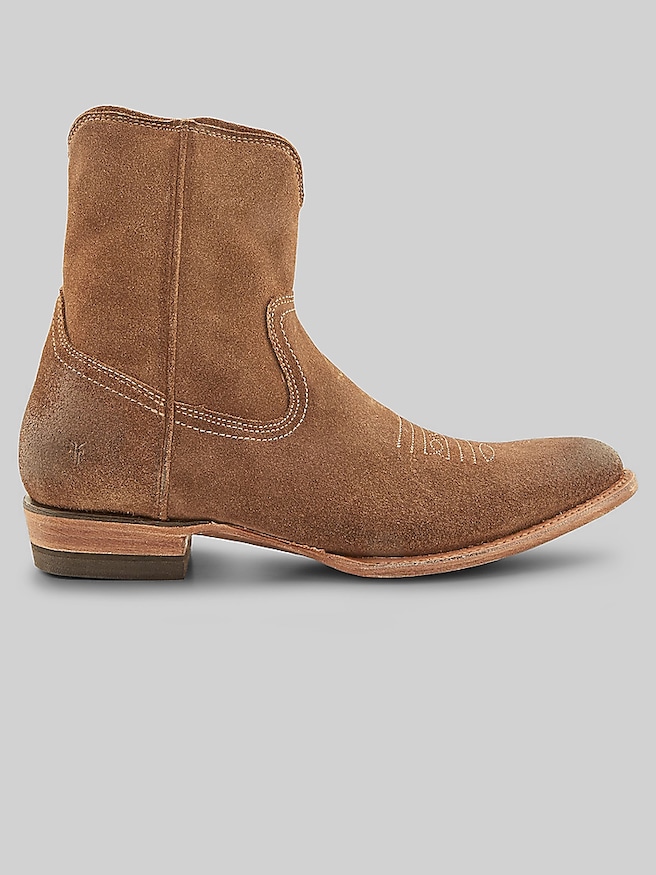
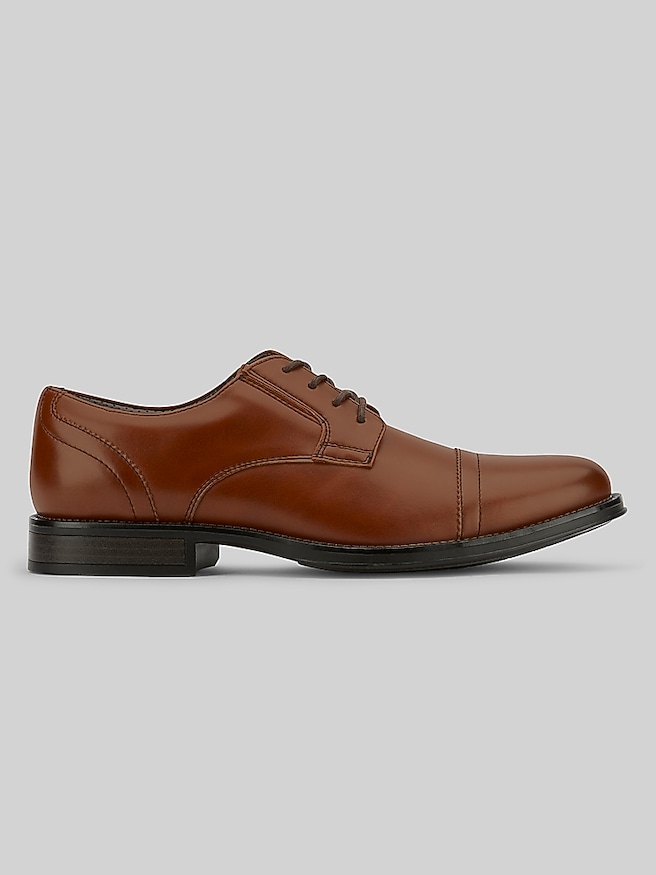
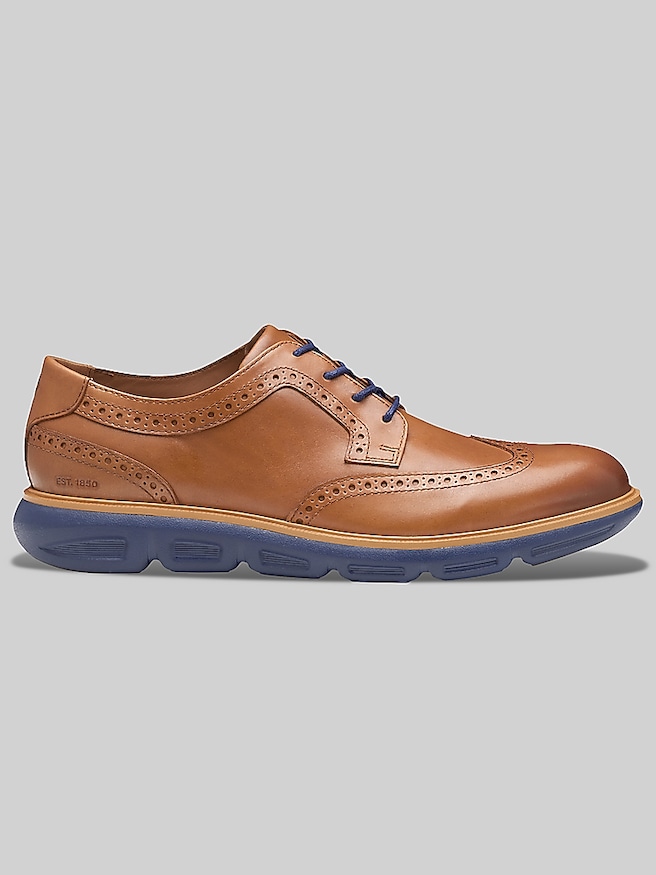
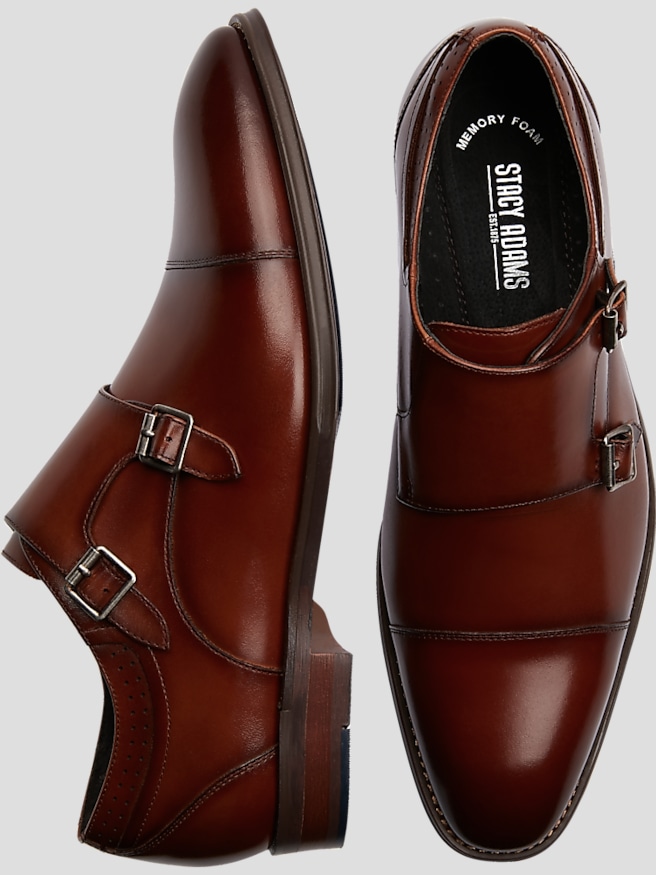
Goodyear welt shoes are made with a strip of material, called a welt, that connects the upper and insole assembly to a separately stitched outsole. This two-stage construction creates a sturdy foundation and allows a cobbler to replace the outsole without typically having to stitch directly through the upper again. The welt is often leather, though other materials can be used, and the insole assembly commonly includes a rib that anchors the first line of stitching. Unlike footwear held together primarily with adhesive, Goodyear welted shoes are built around a stitched connection that supports repair and extended wear. Their longevity still depends on the quality of the leather, the condition of the internal components, and regular care; construction alone does not guarantee a particular lifespan. Many pairs include a cork filling beneath the insole, which can gradually compress to reflect the wearer’s foot shape. That settling contributes to a personalized feel, although cushioning and flexibility vary considerably between designs. Leather uppers offer different looks and characteristics, too. Smooth calfskin can develop a rich polish suited to tailored clothing, while suede brings a softer texture to less formal outfits. Full-grain leather retains its natural surface, but the grade, thickness, and finishing of the hide matter as much as the description. Outsole materials also influence everyday use. Leather soles provide a traditional profile and can feel firm at first, while rubber soles may offer additional grip and a more cushioned sensation, depending on their compound and tread. Neither material makes every shoe equally comfortable or suitable for every setting. A slim welt and neatly trimmed sole edge can look understated beneath suit trousers, while a broader sole edge gives the same construction a more substantial appearance. For office days, presentations, celebrations, or an evening that calls for tailored clothing, the appeal is a combination of a structured silhouette, repairable construction, and materials that can develop character through repeated wear.
Fit is especially important with Goodyear welt shoes because a substantial sole and structured upper can make an unsuitable size feel even less forgiving. A comfortable fit leaves room for the toes to rest naturally without pressing against the front or sides, while the heel remains secure through an ordinary stride. The widest part of the foot should align with the widest part of the shoe, allowing the forefoot to bend where the design intends. Slight initial firmness is different from pinching, numbness, or pressure across the toes. Leather may soften and adjust with wear, but a shoe that is too short should not be expected to become longer. The last, which is the form used to shape the shoe, affects fit as much as the size printed inside. An elongated toe can provide extra space beyond the toes without offering a wider forefoot, while a rounded last may suit a different foot shape. Trying shoes with the socks intended for regular wear gives a more useful impression than relying on size alone. Someone who uses an orthotic also needs sufficient interior depth, particularly because not every dress shoe has a removable footbed. Beyond fit, the upper’s design helps determine the right setting. Closed-lacing oxfords create a clean line with business suits and tailored occasionwear. Open-lacing derbies generally offer more adjustment across the instep and work naturally with dress trousers or chinos. Loafers provide a slip-on alternative, with heel hold and instep fit especially important because there are no laces to adjust. For more decorative detailing, explore Good Wingtip Shoes, distinguished by sweeping toe caps and patterns of perforations. Wingtip describes the upper’s design, not the way the sole is attached, so the two features should be considered separately. As a gift for a graduate, a partner, or someone taking on a new professional role, this category is most thoughtfully chosen with the recipient’s established size, preferred shape, and everyday dress requirements in mind.
Consistent care helps preserve both the appearance and the repair potential of Goodyear welted footwear. Smooth leather benefits from having surface dust brushed away before a modest amount of suitable conditioner or cream is applied. Conditioner supports suppleness, while cream and wax polish serve different finishing purposes: cream can refresh color and provide a softer sheen, and wax can build a more pronounced shine on appropriate areas. Heavy wax buildup across the flexing part of the upper can crack, so a highly polished toe does not require the same treatment as the entire shoe. Suede needs its own approach, generally using a dedicated brush to lift the nap and a suede eraser for suitable surface marks rather than ordinary leather polish. Any treatment should match the material and finish, with a discreet test helping avoid an unwanted change in color or texture. After wear, allowing shoes to rest gives absorbed moisture time to dissipate naturally. Well-fitting cedar shoe trees can help maintain the upper’s shape and reduce deep creasing, but they should not stretch the leather or distort the heel. A shoehorn protects the heel counter when putting shoes on, and loosening the laces before removal reduces unnecessary strain on the opening. Direct heat and prolonged soaking can damage leather and adhesives used within the construction, so gentle drying and prompt attention to spills are preferable to aggressive treatment. Sole and heel wear deserve attention alongside the uppers. Uneven heels can affect how a shoe stands, and a thinning outsole is easier to address before wear reaches deeper structural layers. A cobbler can assess whether heel replacement, sole repair, or a full resole is appropriate; the number of possible resoles depends on the condition of the welt and the rest of the shoe. With suitable fit, sensible rotation, and maintenance tailored to the materials, Goodyear welt shoes can become familiar companions for a working wardrobe, bringing a consistent shape and increasingly personal finish to repeated wear.