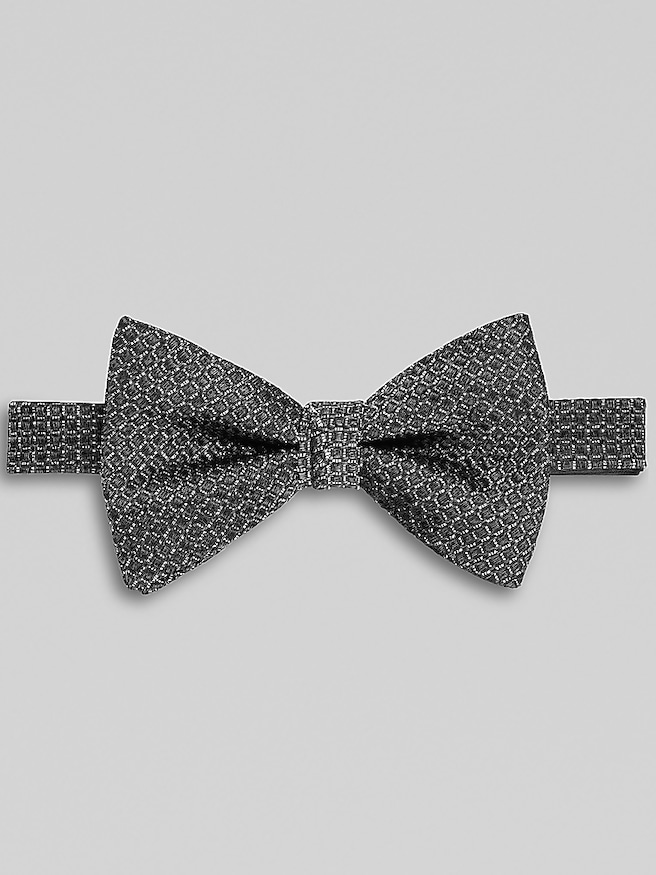
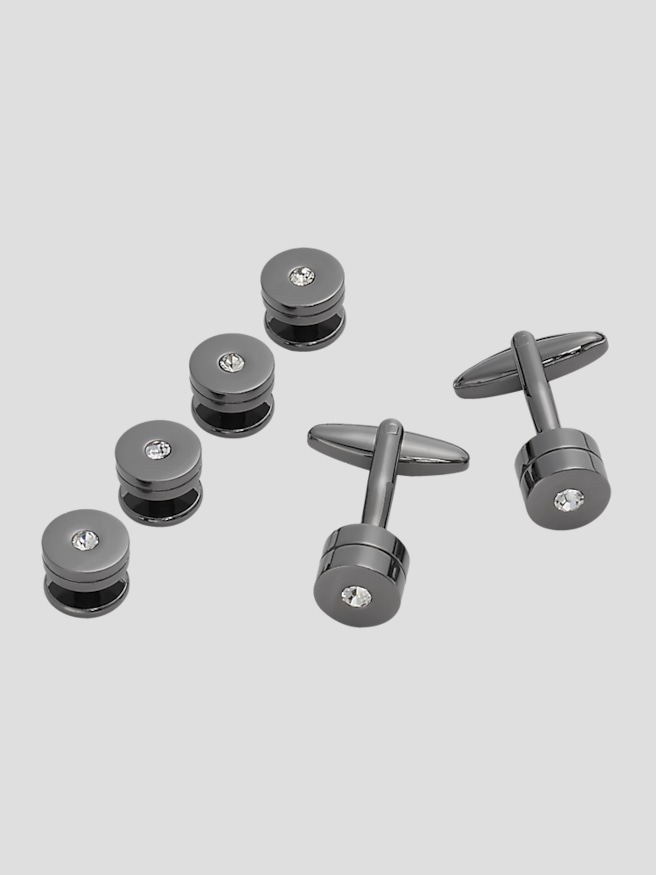
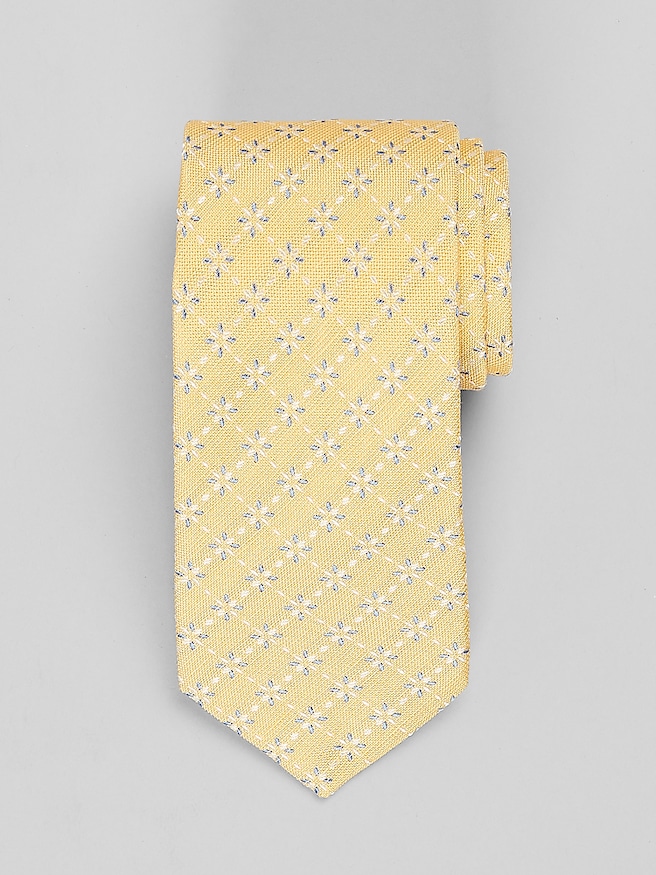
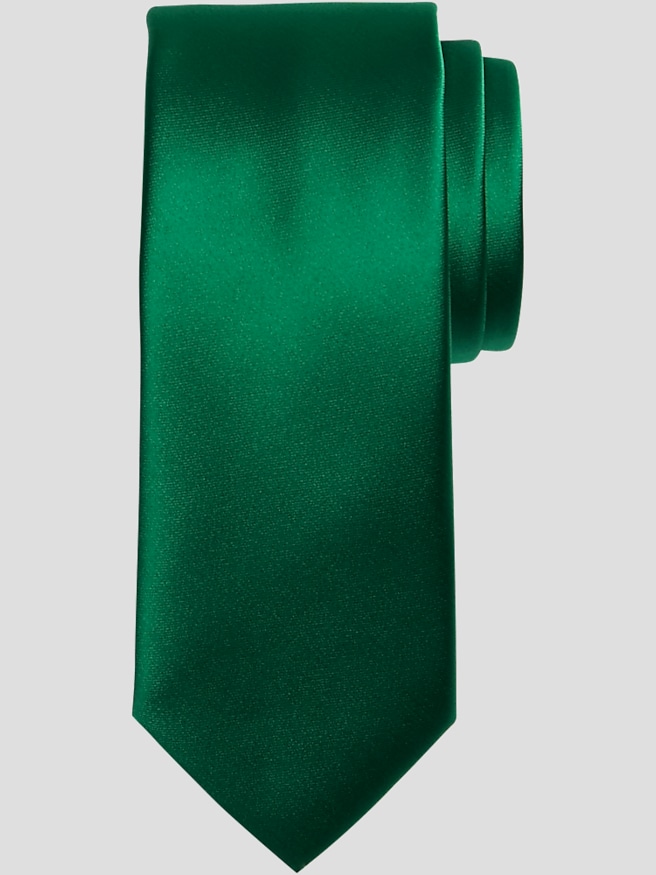
Gold formal accessories bring warm metallic color, subtle shine, and a sense of occasion to men’s formalwear. The category includes finishing details such as cufflinks, shirt studs, tie bars, and other accents that complement a suit or tuxedo without competing with its shape and fabric. Gold can describe a metal’s appearance, a plated surface, or the color of a woven textile; it does not necessarily indicate solid gold or any particular precious-metal content. That distinction matters because a polished gold-tone detail creates a different effect from a matte gold fabric or a softly brushed metal finish. Against a black tuxedo and white shirt, a small touch of gold creates a crisp focal point. With navy, charcoal, or deep brown tailoring, the same warm tone can feel quieter and more integrated. Burgundy and deep green also pair naturally with gold, especially when the rest of the outfit stays restrained. These combinations suit weddings, formal dinners, galas, and milestone celebrations, although the invitation’s dress code remains more important than any color preference. Traditional black-tie dressing generally keeps the bow tie black, leaving room for gold in smaller details rather than making every accessory metallic. For a groom standing beside attendants in matching suits, a consistent metal finish can connect the group while allowing a slightly different texture or design to distinguish the groom. For a guest, a gold accent at the cuff may provide all the ornament an outfit needs. Scale makes a noticeable difference: compact shapes tend to blend into a classic ensemble, while larger or more reflective details draw attention as the wearer moves. A little space between accents keeps the result intentional. Gold at the cuffs and shirtfront can feel coordinated without requiring a matching gold tie, pocket square, and belt buckle. The strongest combinations usually have a clear focal point, supported by details that share a similar warmth rather than an identical level of shine.
Materials and construction influence both the appearance and the everyday practicality of gold formal accessories. Metal pieces may have a base of brass, stainless steel, or another alloy beneath a gold-colored finish, while textile accessories may use silk, polyester, or blended fibers to create their color and texture. Material descriptions are more useful than color alone when comparing feel, maintenance needs, and suitability for repeated wear. A high-polish surface reflects light sharply and gives simple shapes more presence; brushed or textured surfaces scatter light and can make a warm metallic accent feel understated. Gold-colored fabrics have their own range, from pale champagne tones to richer shades with an almost bronze cast. A woven texture may show depth without much shine, while a satin surface catches light more noticeably. Fabric weight matters as well: a tie needs enough body to hold its knot cleanly, and a pocket square should fold without creating an uncomfortable bulge in the jacket pocket. Fit is equally important for metal accessories, even though these details are small. Cufflinks belong with shirt cuffs designed to accept them, and their fastening mechanism should close securely without forcing the fabric or pinching the wrist. Shirt studs require a compatible formal shirtfront. A tie bar should sit within the width of the tie rather than extending beyond its edges, and it should hold the tie to the shirt placket if it is intended to keep the tie in place. These proportions become especially noticeable in photographs, where an oversized detail can distract from otherwise balanced tailoring. Smooth edges, secure closures, and a comfortable amount of weight are worth considering for an event that includes dinner, handshakes, and several hours of movement. For anyone with a known metal sensitivity, checking the stated composition is more reliable than assuming that a gold-colored surface will be comfortable against the skin. An attractive finish and a comfortable fit serve different purposes, and both contribute to an accessory that feels easy to wear.
Durability depends on the underlying material, the type of finish, and how an accessory is handled between occasions. Gold plating and other surface treatments can show wear where pieces repeatedly rub against one another, especially around edges and moving parts. Keeping metal accessories in separate compartments or soft pouches helps limit scratching and prevents small closures from catching on neighboring pieces. A soft, dry cloth is often suitable for removing fingerprints after wear, while any deeper cleaning should follow the material-specific care instructions. Abrasive polishing compounds can damage some finishes, and prolonged contact with moisture, fragrance, or grooming products may affect their appearance. Textile accessories need a different approach: care labels should determine cleaning methods, and storage that avoids crushing helps preserve their shape. Separating metal details from delicate fabrics also reduces the chance of snags. These practical considerations make gold formal accessories thoughtful gifts for someone preparing for a wedding, celebrating a graduation, or building a wardrobe for formal events. A gift feels more personal when it reflects the recipient’s habits, such as a preference for simple shapes, muted finishes, or traditional shirtfront details. Compatibility matters more than a perfectly coordinated presentation; cufflinks are most useful to someone who wears the appropriate cuffs, while a tie accessory should suit the width and style of the ties already in regular use. Gold does not have to match every other metal exactly, but a similar tone across visible details usually creates a calmer impression. A watch, buckle, and cuff fastening can work together without becoming a matching set. The color palette can also extend to Yellow Fashion Accessories, with a distinction between a yellow textile’s color and a gold-tone metal’s reflective finish. A muted yellow accent may echo the warmth of gold without reproducing its shine. With balanced proportions, compatible fastenings, and care suited to the materials, gold details can remain a dependable part of formal dressing across many occasions.