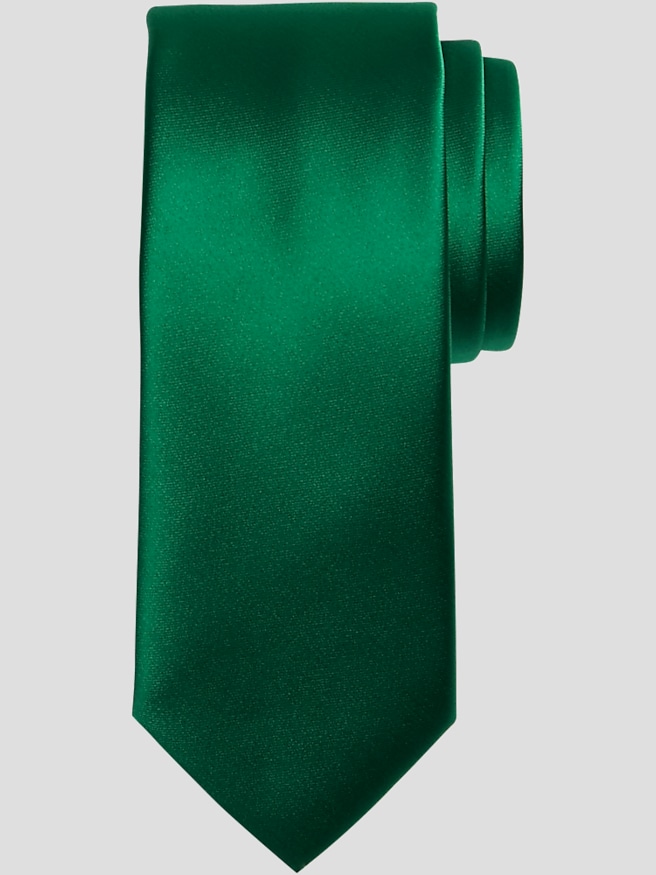
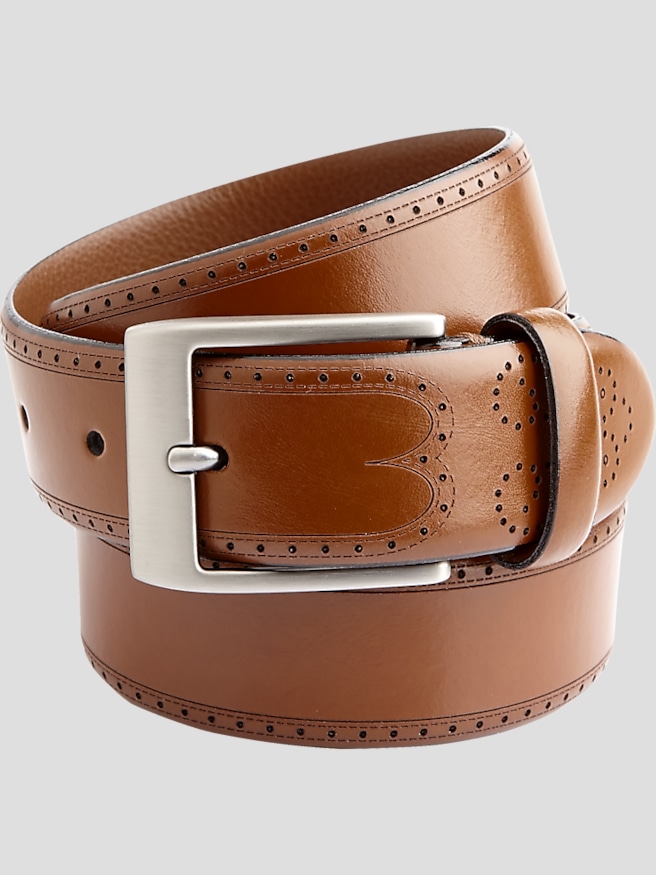
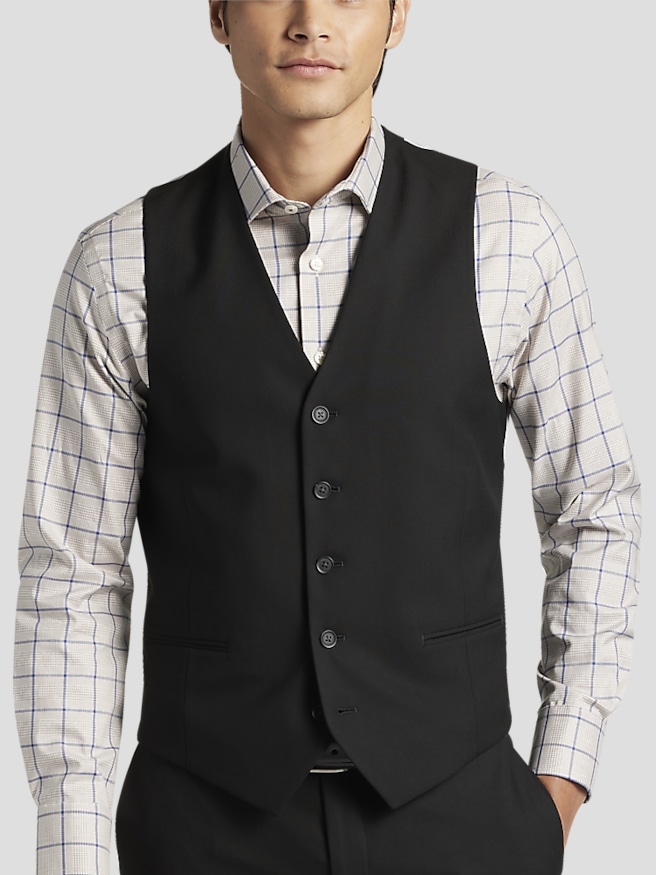
Emerald green suit accessories work best when they give the rich jewel tone room to stand out. Crisp white or pale blue dress shirts, ties in black, burgundy, wine, or navy, and black or dark brown leather shoes create balanced combinations without competing with the suit. A white shirt brings the sharpest contrast, especially with a dark tie and polished black footwear, while pale blue introduces a softer look suited to daytime weddings and dressed-up celebrations. Accessories paired with Men's Green Suits can lean understated or expressive, depending on their color, texture, and scale. A burgundy silk tie adds depth beside emerald fabric; a black tie keeps the palette restrained and graphic. Navy offers another grounded option, particularly when its weave or subtle pattern distinguishes it from the jacket. Pocket squares provide a smaller space for color: white linen looks crisp against green, while a print with touches of burgundy, cream, or blue can connect the shirt and tie without repeating either exactly. A tie and pocket square do not need to match, and a little variation often gives the outfit more character. Black leather shoes create a clean, formal impression, while dark brown leather adds warmth for occasions with a less rigid dress code. When a belt is worn, a similar leather color and finish help it sit comfortably with the shoes. Metal details deserve the same attention. Gold-tone cufflinks bring warmth to emerald, while silver-tone accents create a cooler contrast; either can work with a watch, belt buckle, or understated lapel pin. One repeated metal finish generally looks more cohesive than several competing finishes. Because emerald can range from a bright, clear green to a deeper blue-green shade, the most harmonious accessories relate to the actual fabric rather than its color name alone. Viewed together in natural light, the shirt, tie, and jacket should feel distinct but connected.
Material gives emerald green suit accessories much of their personality. Smooth silk ties have a gentle luster that suits polished tailoring, while textured silk and matte woven fabrics add visual depth without relying on a bold print. A wool tie has a softer, more substantial appearance that can complement a textured suit, though a thick knot may feel crowded beneath a narrow shirt collar. Linen pocket squares hold a defined fold and bring a dry, crisp surface to the chest pocket; silk squares drape more fluidly and lend themselves to a relaxed puff. Cotton offers a versatile middle ground, with enough structure for a neat fold and a less reflective finish than silk. Small stripes, restrained dots, and subtle geometric patterns can work well beside emerald, particularly when the shirt is solid and the rest of the outfit stays quiet. Texture matters even in an almost monochromatic combination: a dark green tie with a visibly distinct weave can create depth, whereas two nearly matching greens in similar fabrics may look unintentionally mismatched. Proportion is just as important as color. A tie width that relates to the jacket lapels creates balance, and its tip should generally reach the waistband rather than stop high on the shirt or extend well below it. The knot should fill the collar opening comfortably without lifting the collar points. A properly fitting dress shirt leaves room to turn the head without a tight neckline, while sleeves show a small, even amount of cuff beneath the jacket. Cufflinks belong with shirts designed to accommodate them, rather than standard button cuffs. Pocket squares need enough fabric to stay in place without making the chest pocket bulge. Dress socks that remain comfortably above the ankle help preserve a continuous line when seated, especially in dark green, navy, or charcoal. Shoes should feel secure at the heel and allow comfortable space through the forefoot, since an elegant finish cannot compensate for a poor fit during a long reception or ceremony.
The occasion determines how much personality these accessories can carry. For a wedding guest, a white shirt, wine-colored tie, restrained pocket square, and dark leather shoes can look celebratory without drawing attention away from the couple. For a groom or wedding party, repeating an accent color across ties or pocket squares creates a connection while leaving room for individual proportions and preferences. An emerald suit can also make a distinctive choice for an awards dinner, anniversary celebration, or an event where expressive tailoring is welcome, provided the outfit respects the stated dress code. A green business suit and a tuxedo are not interchangeable, so formal dress requirements still govern the choice of shirt, neckwear, and footwear. For someone who already enjoys tailored clothing, accessories can make thoughtful gifts because they introduce a new color or texture without requiring the precise sizing of a jacket. A tie in a familiar width, a pocket square in a versatile fabric, or cufflinks suited to the recipient’s shirts can feel personal and remain useful across several outfits. Construction and care help these pieces keep their appearance. Neat stitching, secure hardware, and fabric that recovers well after handling are useful signs of quality, although every material benefits from appropriate care. Ties last longer when knots are gently undone after wear rather than pulled loose by the narrow end. Silk accessories usually need careful treatment according to their care labels, and rubbing a spill can damage the surface or spread the mark. Pocket squares should be cleaned for their fiber content and stored without being crushed. Leather shoes benefit from regular wiping, suitable conditioner or polish, and time to dry naturally away from direct heat; shoe trees can help preserve their shape between wears. Cufflinks and other metal accents stay presentable with a soft cloth and separate storage that limits scratches. These small habits protect the details that make emerald tailoring look considered, from the clean edge of a pocket square to the finish on a pair of dress shoes.