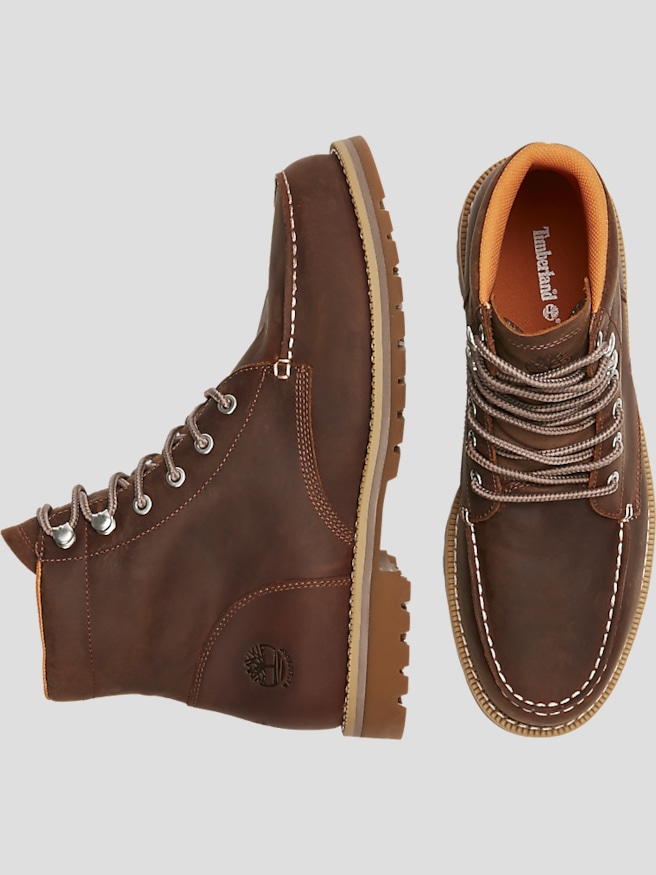
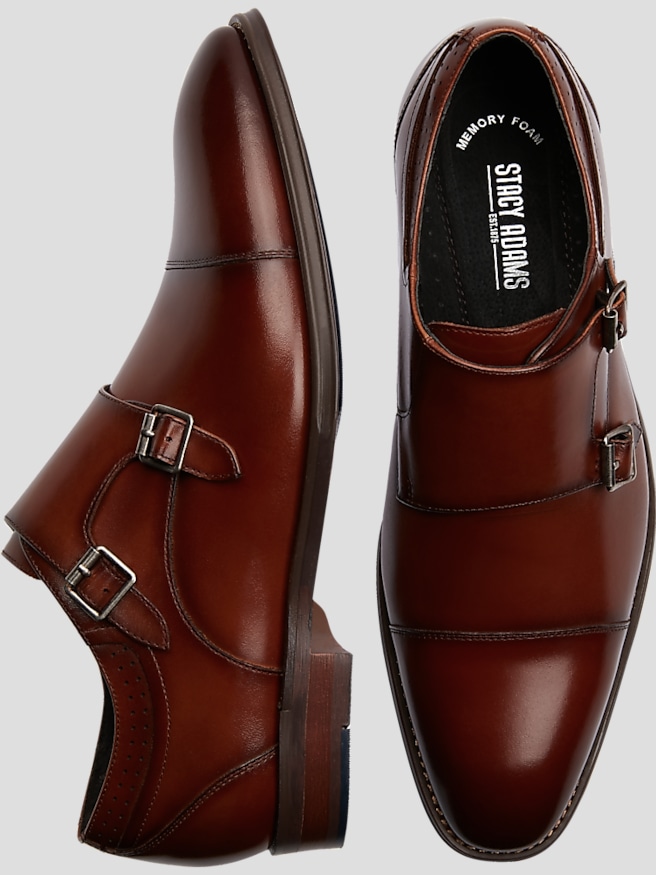
Men’s going-out shoes include leather sneakers, loafers, oxfords, derbies, monk straps, and Chelsea boots, with each style offering a distinct balance of polish, comfort, and personality. The best choice fits the setting as naturally as it fits the foot: a sleek leather sneaker can suit a casual dinner or live music venue, while an oxford creates a more formal foundation for tailored trousers and a jacket. Loafers sit comfortably between relaxed and dressed up, making them a versatile option for restaurant reservations, cocktail parties, and evenings that move from dinner to dancing. Penny loafers have a clean, familiar look, while tassel styles add a more expressive detail without overwhelming an outfit. Chelsea boots bring a streamlined shape to dark denim and slim or straight-leg trousers, especially when the hem falls neatly over the boot shaft. Derby shoes, recognized by their open lacing, offer another polished option and may allow more adjustment across the top of the foot than closed-lacing oxfords. Color and finish help set the tone. Black leather looks sharp with charcoal, black, and deep navy clothing; brown and burgundy shades introduce richness alongside blue, gray, and earth tones. Smooth leather generally reads dressier than textured suede, while a high-gloss finish makes a stronger statement than a soft, matte surface. For formal evening events, simple silhouettes and restrained detailing keep the focus on the overall outfit; any stated dress code should take priority over personal preference. A casual club or neighborhood restaurant may welcome understated sneakers, but an upscale venue may expect dress shoes. Shape matters, too. A rounded or softly tapered toe is easy to coordinate, and a low-profile sole creates a cleaner line beneath tailored pants. More substantial soles bring visual weight that works well with heavier fabrics and relaxed cuts. Going-out footwear should look intentional rather than overly coordinated, with the shoe’s formality, proportions, and finish supporting the clothes instead of competing with them. A subtle buckle, stitched apron, or textured panel can provide enough character without making the entire look feel busy.
Materials and construction influence how men’s going-out shoes feel through an evening, how they age, and how much attention they need between wears. Full-grain leather retains its natural surface and can develop character with proper care, while other leather finishes may offer a more uniform appearance. Suede has a soft nap that adds depth to simple outfits, making it especially effective when the rest of the clothing has a smooth, understated finish. Textile and synthetic uppers can offer additional styling choices, though breathability, flexibility, and upkeep vary by material and construction. Inside the shoe, a smooth lining, secure heel, and supportive footbed matter more than softness alone. A shoe that feels cushioned at first can still become uncomfortable if it pinches the toes or allows the foot to slide forward. Fit should leave room for the toes to move without letting the heel lift excessively, and the widest part of the foot should sit comfortably within the widest part of the shoe. Trying shoes with the socks intended for the evening gives a more useful sense of fit than switching sock thickness afterward. Loafers need particular attention because there are no laces to fine-tune the hold; lace-up styles offer more flexibility for adjusting volume across the instep. Leather may soften with wear, but a painfully tight shoe is not a dependable path to a good fit. Sole construction also affects intended use. A flexible rubber outsole can be practical for an evening involving several stops and stretches of walking, while a slim leather sole offers a traditional dress-shoe profile. Grip depends on the outsole design and the surface underfoot, not simply the material name. Stitched construction may allow resoling on some shoes, though repair options depend on the design. Even stitching, secure joins, and neatly finished edges are useful signs of careful workmanship. For a dinner followed by a standing-room performance, secure fit and stable footing deserve as much attention as the view in the mirror.
A well-considered evening outfit gives shoes enough space to contribute without making them the only point of interest. Dark jeans with a clean hem, a knit polo, and leather loafers create an easy restaurant look; tailored trousers, a tucked-in shirt, and lace-up dress shoes feel more composed for a celebration or an upscale lounge. Leather sneakers work best in dressed-down settings when their shape is streamlined and their surfaces are clean, rather than heavily worn or visibly athletic. The combinations explored through Mens Clothes For Going Out offer a natural starting point for coordinating footwear with the rest of an evening wardrobe. Pants should fall neatly around the shoe instead of pooling over it, and socks can either continue the trouser color for a quieter line or introduce a controlled accent. A no-show sock can preserve the exposed-ankle look with loafers while adding a layer between the foot and the lining. Care helps keep these details looking deliberate. Smooth leather benefits from removing surface dirt with a soft brush or cloth, followed by suitable conditioning and polish according to the maker’s instructions. Suede calls for a brush and cleaner designed for its texture, since ordinary leather creams can alter the nap. Protective treatments should be compatible with the upper material and tested in an inconspicuous area first. Allowing shoes to air between wears and using appropriately sized shoe trees can help manage moisture and maintain shape. Checking soles and heels for uneven wear also makes it easier to address small repairs before they affect comfort or appearance. For someone building an evening wardrobe, a versatile pair of going-out shoes can make a thoughtful birthday or graduation gift, particularly when the recipient’s size, preferred fit, and usual dress codes are known. The most useful pair is one that suits actual plans, whether those involve date nights, birthday dinners, theater seats, or regular evenings spent catching up with friends.