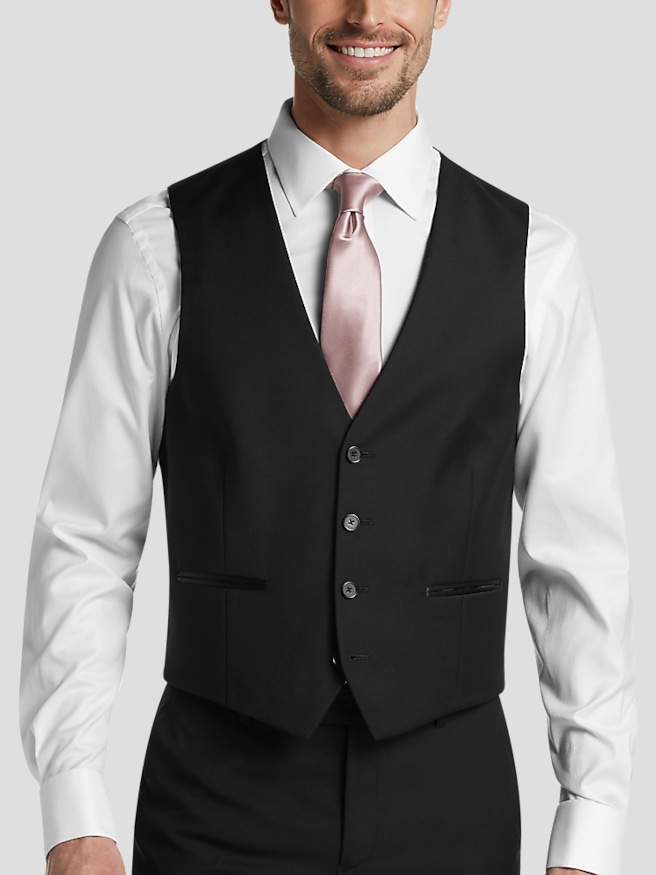
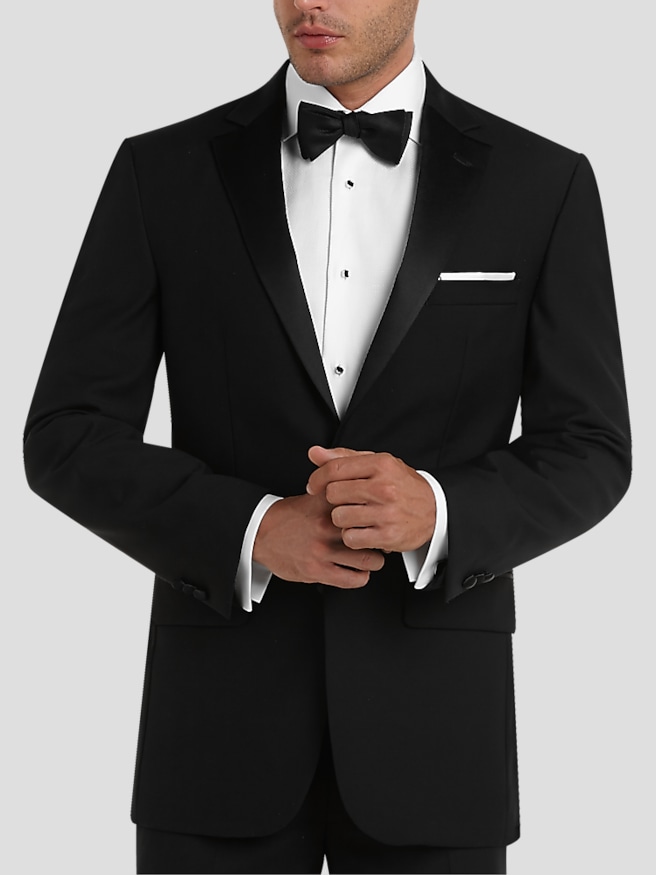
Formal watches bring a quiet finishing touch to tailored clothing, combining practical timekeeping with proportions that complement a suit rather than compete with it. A classic dress watch typically has a slim case, a clean analog dial, restrained hour markers, and a simple leather strap. Its defining quality is balance: enough presence to look intentional, but not so much bulk or shine that it becomes the focal point of an outfit. A case around 10 millimeters thick or less often fits comfortably beneath a dress shirt cuff, although the shape of the case and the fit of the sleeve matter as much as the measurement. White, silver, black, and deep blue dials offer versatile foundations, while slender hands, simple indexes, and Roman numerals create distinct expressions of formal style. An uncluttered face generally feels dressier than a dial filled with timers, scales, and oversized numerals. A small date window or subsidiary seconds dial can add everyday usefulness without overwhelming the design. Polished stainless steel provides a crisp, neutral finish; gold-tone and rose-gold-tone cases introduce warmth. Solid precious metals and metal-colored finishes are not the same construction, so material descriptions matter when comparing appearance, care needs, and long-term wear. Round cases are traditional, while rectangular cases bring a more architectural look that works especially well with clean tailoring. These details suit a range of occasions, from a presentation in a navy suit to a wedding ceremony or an evening reception. For very traditional black-tie dress, leaving the wrist bare remains an option; when a watch is worn, a thin, discreet design keeps the emphasis on the occasion. The same restraint that makes a dress watch appropriate for a tuxedo can also make it useful with a blazer and pressed trousers. Its appeal lies in that versatility, offering a polished accessory that feels considered without requiring an elaborate outfit or a wrist full of competing details.
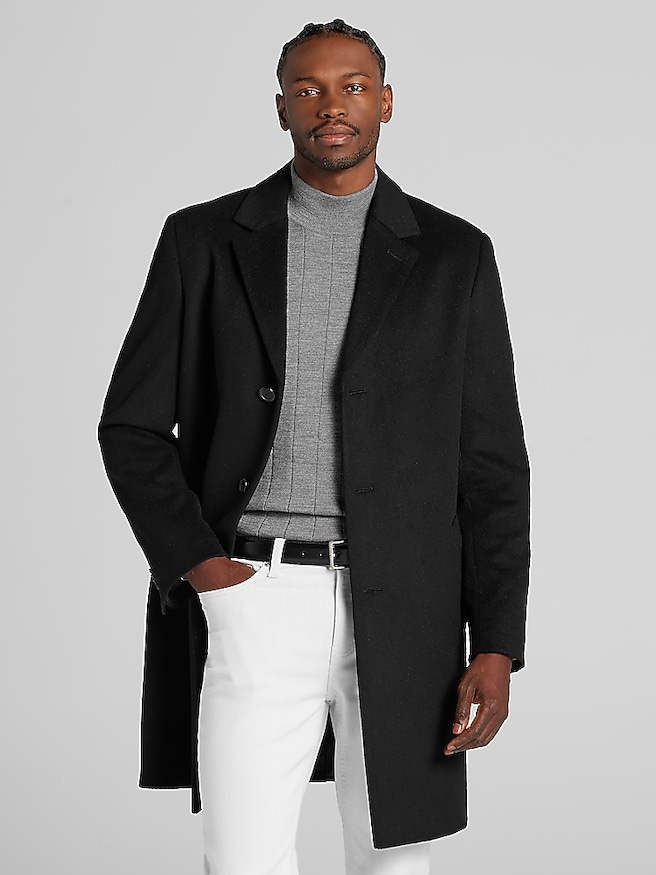
Materials and fit shape how formal watches look and feel throughout a long day. Smooth leather straps have a particularly understated character, with black offering a natural pairing for black shoes and a black belt, and dark brown complementing brown leather accessories. Embossed leather adds texture without necessarily introducing another color, though an embossed pattern should not be mistaken for an exotic hide. Exact color matching is less important than a coherent overall effect: a dark brown strap can sit comfortably alongside slightly lighter brown shoes when both have a refined finish. Metal bracelets create a different impression, giving a watch a more substantial appearance while still looking dressy when the links are slim and the dial remains simple. Coordinating the case with cuff links, a belt buckle, or a tie bar helps the outfit feel connected, but every metal detail does not need to match perfectly. Case diameter is only part of a comfortable fit. The distance between the ends of the lugs, where the strap attaches, helps determine whether the watch sits within the edges of the wrist or projects beyond them. A compact case with long lugs can wear larger than expected, while a slightly wider case with short, curved lugs may sit neatly. The strap should hold the watch in place without pinching, and the crown should not press into the back of the hand when the wrist bends. Bracelet sizing and strap length are especially important for smaller or larger wrists. Beneath a shirt sleeve, a smooth bezel and low-profile clasp reduce unnecessary bulk. That streamlined shape also complements the tailored lines of formal overcoats, keeping the accessories consistent with the rest of a dressed-up outfit. For someone moving from a desk to a client dinner, a legible dial and comfortable strap may matter more than decorative complexity. For a wedding party, similarly restrained watches can complement coordinated tailoring without requiring everyone to wear an identical accessory. The strongest combinations allow the watch, shirt, and jacket to sit comfortably together, with the timepiece appearing naturally as the cuff moves.
Durability in a formal watch comes from suitable materials, sound construction, and care matched to its intended use—not from a heavy case alone. Stainless steel stands up well to everyday handling, although polished surfaces can show fine scratches over time. Gold-tone coatings and plated finishes need gentle treatment because abrasive polishing can wear away the surface layer. The crystal covering the dial also affects long-term appearance. Sapphire is highly resistant to scratches, while mineral crystal offers useful everyday protection; neither material is immune to damage from a hard impact. Water resistance varies by watch and should always be understood through the maker’s instructions rather than appearance alone. A dress watch with a water-resistance rating may still have a leather strap that should be kept away from soaking, and buttons or crowns should not be operated underwater unless expressly permitted. After wear, a soft, dry cloth helps remove fingerprints and surface residue from the case. Leather benefits from drying naturally away from direct heat and from occasional rest between wears, especially after prolonged contact with perspiration. Cleaning methods suitable for an all-metal watch may not suit leather, decorative finishes, or older seals. Movement type brings another practical distinction. Quartz watches use battery-powered movements and generally offer convenient, accurate timekeeping with periodic battery replacement. Mechanical watches run from a wound mainspring; automatic versions can gain power from wrist movement but may stop when left unworn beyond their power reserve. They also require periodic servicing according to the maker’s recommendations. For an occasional wearer, those differences affect how much preparation is needed before getting dressed for an event. Stored separately in a soft-lined compartment, a formal watch is less likely to rub against cuff links or other accessories. As a gift, it can mark a graduation, a professional milestone, an anniversary, or a wedding with something useful beyond the celebration itself. The recipient’s wrist size, preferred metal finish, usual footwear, and interest in maintenance offer better clues than decorative detail alone. A well-chosen dress watch fits both the clothing and the habits of the person wearing it, bringing a composed finishing touch to important occasions and everyday tailoring alike.