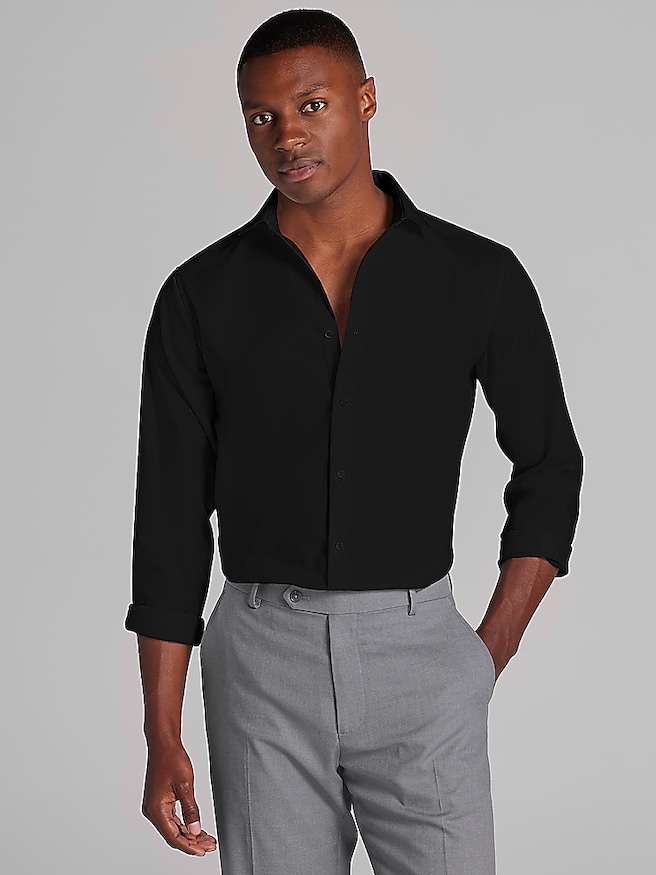
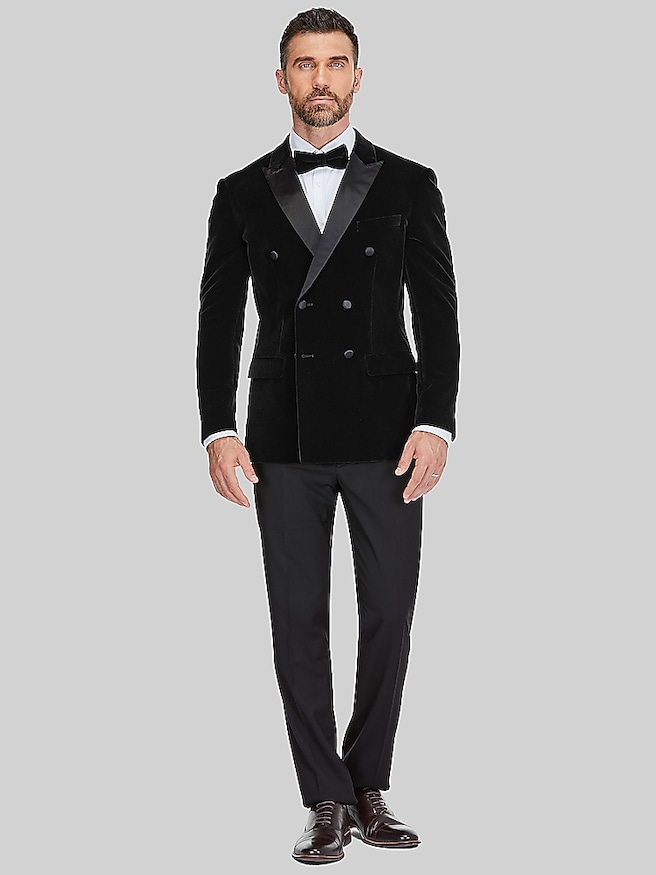
Formal outfits for teens bring together tailored clothing, dress shirts, polished footwear, and accessories for occasions that call for more than everyday clothes. The right combination depends on the invitation: a tuxedo is the traditional choice for black-tie events, while a suit works for many weddings, school dances, formal banquets, and milestone celebrations. For black-tie optional occasions, either a tuxedo or a dark suit with a dress shirt and tie can be appropriate. School-specific expectations also matter, especially for prom and homecoming, where the level of formality can vary considerably. A matching suit jacket and trousers create a cohesive foundation, with navy, charcoal, and black offering distinct ways to dress for the occasion. Navy and charcoal suits transition easily between celebrations and more reserved settings, while a black tuxedo with contrasting satin details has a distinctly ceremonial character. A crisp white shirt keeps the overall look clean and makes room for personality in a tie, pocket square, or vest. Subtle patterns and textured accessories add interest without overwhelming a teen wearing tailored clothing for the first time. For a coordinated group photograph or wedding party, repeating one accent color often looks more natural than matching every accessory exactly. The finished outfit should feel appropriate to the setting without making its wearer feel disguised. A teen heading to a school dance may prefer a narrow lapel and a streamlined silhouette; someone attending a family wedding may feel more comfortable in a roomier cut with understated accessories. Neither preference changes the importance of proportion, movement, and a dress code that is understood before the outfit comes together. Related styles within Formal Wear for Young Adults offer another point of reference for polished dressing across milestone occasions. Whether the evening involves walking across a stage, posing beside friends, or joining a crowded dance floor, formal clothing feels most convincing when the details work together and the wearer can move naturally.
Fit has an especially noticeable effect on formal outfits for teens because height, shoulder width, and proportions can change quickly. Age alone is not a reliable measure of size, and labels such as slim or classic describe a silhouette rather than guaranteeing the right fit. A jacket should sit smoothly across the shoulders, with its collar resting close to the shirt collar and its lapels lying flat against the chest. Pulling around the fastening button, deep wrinkles across the back, or sleeves that cover the hands can interrupt an otherwise polished look. A small amount of shirt cuff visible below the jacket sleeve gives the outfit a deliberate finish. Trousers should stay comfortably at the waist without relying on an overtightened belt, and the hem should meet the shoes cleanly rather than pooling over them. A slight break offers a traditional appearance, while little or no break creates a sharper line. Comfort is more than standing still in front of a mirror: sitting through a ceremony, reaching across a dinner table, and raising both arms reveal how well an outfit accommodates real movement. Slim-fit clothing should follow the body without gripping it, and a fuller cut can still look neat when the shoulders, sleeves, and trouser length are right. Fabric contributes just as much to that balance. Wool and wool blends are valued in suiting for their drape, resilience, and ability to release some wrinkles between wears. Fabrics with a small amount of stretch can provide added flexibility, though construction and sizing remain essential. Cotton dress shirts offer a familiar feel against the skin, while blended shirting may simplify care depending on the fabric and finish. Smooth linings help jackets slide comfortably over shirts, and neatly finished seams reduce distracting friction. For teens who rarely wear formal clothing, those quiet details can make the difference between repeatedly adjusting an outfit and settling comfortably into the occasion. Alterations may refine sleeve or trouser length, but significant changes through the shoulders are more involved, making a sound initial fit important.
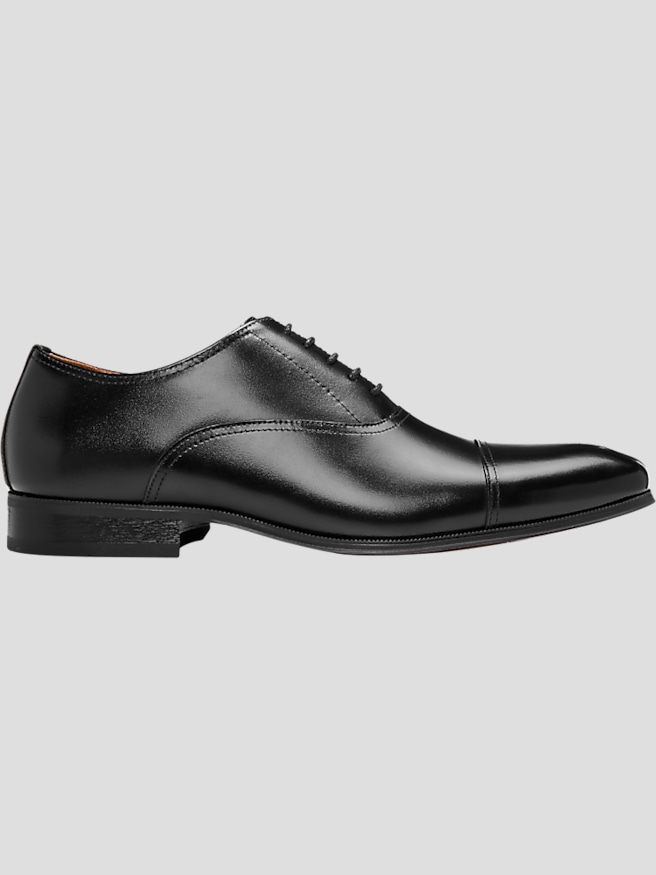
Accessories, footwear, and care turn a set of formal separates into an outfit that is ready for repeat occasions. A necktie gives a suit a traditional finish, with its width looking most balanced when it relates to the jacket’s lapels. A bow tie is customary with a tuxedo, alongside a suitable formal shirt and the accessories expected by the event’s dress code. Pocket squares work best as a complementary detail rather than a duplicate of the tie, and a neatly folded white square keeps the effect restrained. Belts and suspenders generally serve as alternatives, not partners; some formal trousers instead use side adjusters for a clean waistline. Dress shoes should support the same level of formality as the clothing. Sleek lace-ups pair naturally with suits, while a tuxedo typically calls for polished formal footwear. Black shoes make a straightforward companion to black and charcoal tailoring, and dark brown can complement navy when the occasion permits. Shoes also need enough room through the toes and a secure heel, particularly for an event that includes long stretches of standing. Dress socks that cover the lower leg preserve a continuous line when seated, and a simple undershirt can help a dress shirt sit more smoothly if its neckline stays concealed. For graduation gifts or other milestones, a versatile tie, cuff links for a compatible shirt, or a classic belt can be a thoughtful addition when the recipient’s taste and sizing are known. Lasting usefulness also depends on everyday handling after the celebration. Care labels should determine cleaning methods, since suit fabrics, linings, shirt finishes, and decorative details do not all tolerate the same treatment. Hanging a jacket on a shaped hanger, supporting trousers neatly, and allowing garments to air out before storage help preserve their appearance. Prompt attention to stains and occasional professional pressing, when appropriate for the garment, can keep tailoring looking crisp without unnecessary cleaning. Strong seams, secure buttons, and fabric that recovers well from ordinary movement are practical signs of clothing suited to repeated wear. Together, these details support a formal wardrobe that feels personal, photographs cleanly, and remains useful beyond a single memorable evening.