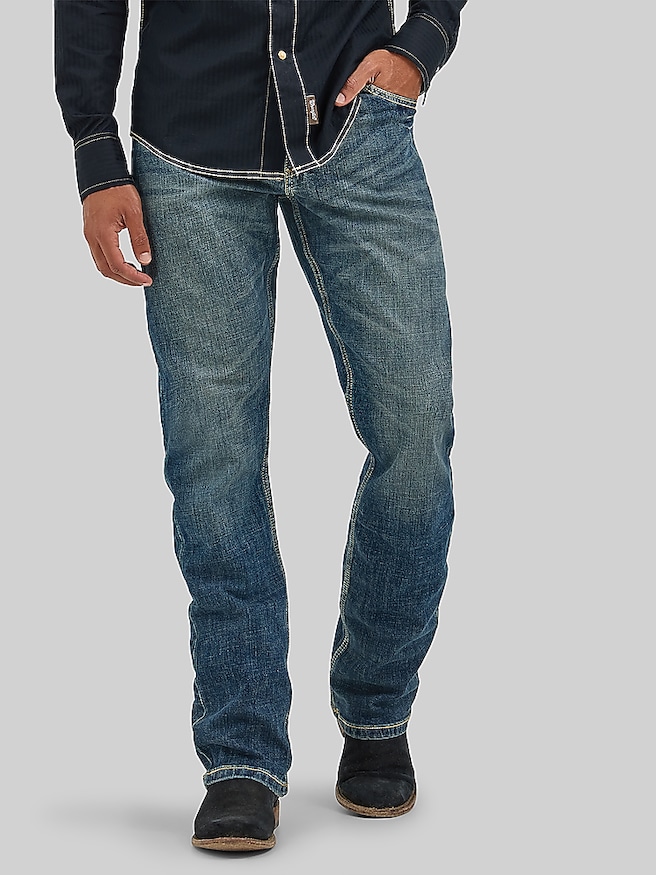
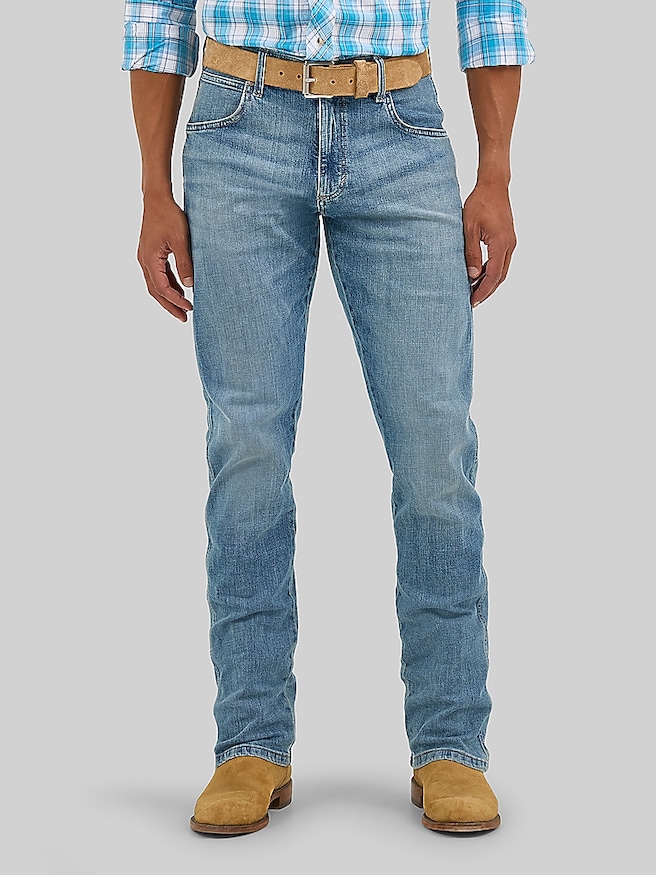
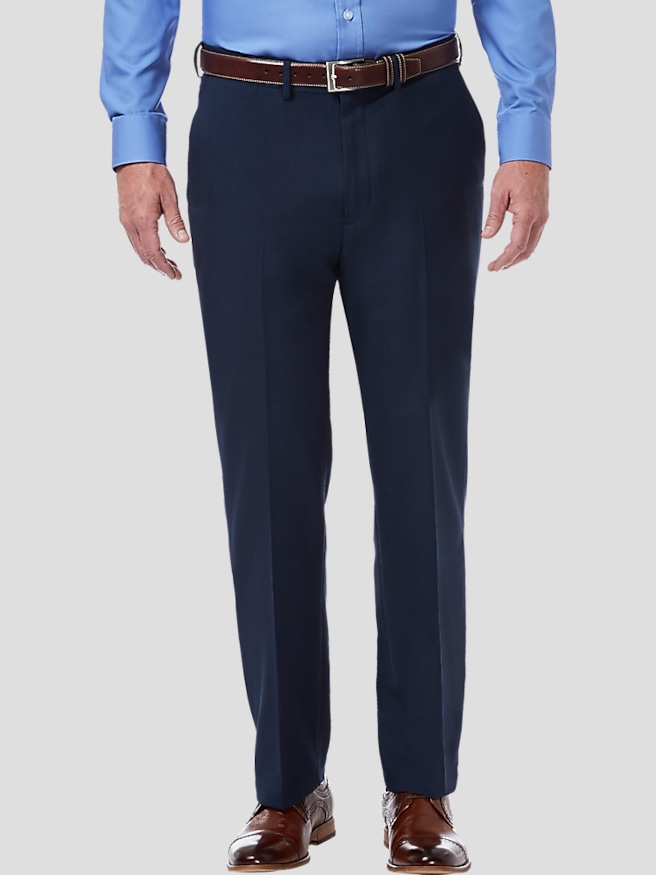
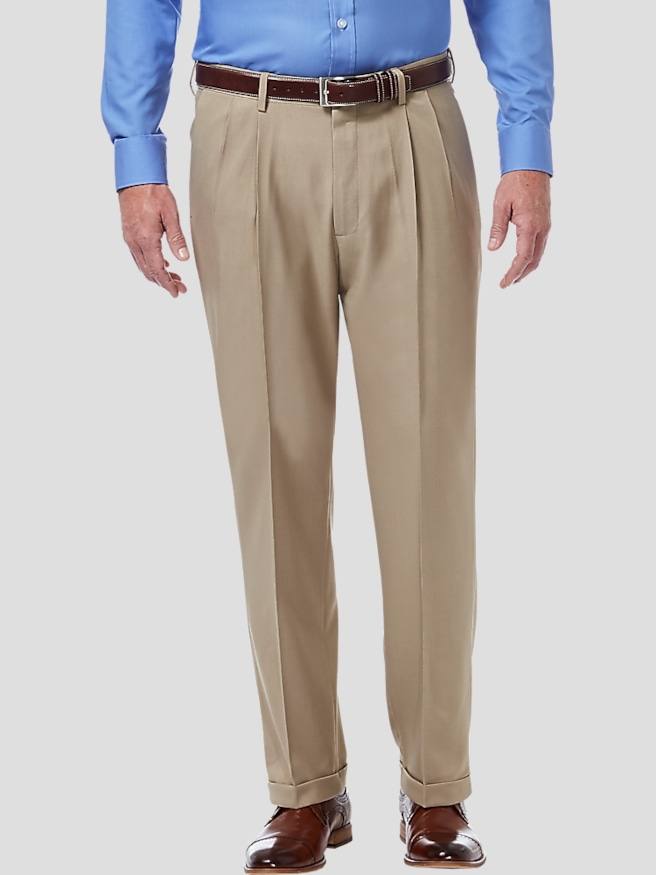
Business casual outfits for teens bring together the polish of collared shirts, neat trousers, and understated shoes with the comfort needed for a full day of classes, an internship, or a first job. The look sits between everyday casual clothing and a formal suit: coordinated and purposeful, but not stiff or overly dressed up. Chinos with a tucked-in button-down shirt are a dependable example, while a knit polo with dress pants offers a slightly more relaxed combination when the setting allows it. An unstructured blazer can add definition for a school presentation, networking event, or workplace visit without making the outfit feel ceremonial. Business casual expectations vary by school and employer, so a stated dress code matters more than any universal outfit formula. Dark, undistressed jeans may fit a relaxed office, for instance, but chinos or dress trousers are a safer starting point when denim rules are unclear. Interviews sometimes call for more formal clothing, even at workplaces where everyday attire is casual. Navy, charcoal, khaki, white, and light blue make useful foundations because they combine easily and leave room for personal style through a subtle stripe, a textured knit, or a muted accent color. A light blue shirt against navy trousers looks crisp without demanding much coordination; a gray polo with khaki chinos feels approachable while still looking ready for a customer-facing shift. Large graphics, distressed finishes, and athletic shorts generally fall outside the polished appearance associated with business casual. For teens building a wardrobe beyond school-day basics, versatile clothing helps bridge familiar comfort and new responsibilities. The goal is not to imitate an executive wardrobe, but to look prepared, feel at ease, and wear clothing that suits the occasion. A few compatible silhouettes and colors can support many combinations, making it easier to get dressed for a morning presentation and remain comfortable through an afternoon of meetings, coursework, or travel between activities. Simple combinations also give a new wearer room to develop personal preferences without feeling like every occasion requires a completely separate wardrobe.
Fit has an especially noticeable effect on business casual clothing because the overall impression relies on clean lines rather than formal details. A shirt should sit smoothly across the shoulders, button without pulling at the chest, and leave enough room to reach forward comfortably. Fabric that balloons around the waist can look untidy when tucked in, while a hem that repeatedly comes loose may be too short for that use. Trousers work best when the waistband stays comfortably in place and the seat and thighs allow sitting, walking, and climbing stairs without strain. Slim, straight, and relaxed cuts describe silhouettes, not levels of professionalism; any can look appropriate when the proportions suit the wearer and excess fabric does not gather heavily at the ankles. For a teen who spends part of the day at a desk and part on their feet, unrestricted movement matters as much as appearance in a mirror. A blazer should allow a natural reach without pinching, with sleeves that do not cover the hands. Buying clothing dramatically oversized to accommodate growth can undermine both comfort and a neat appearance; modest room and alterations, where construction permits, are more practical considerations. Materials shape how an outfit feels and holds its form throughout the day. Cotton shirting offers a familiar feel, Oxford cloth adds subtle texture, and cotton twill gives chinos a defined surface suited to repeated wear. Blends containing stretch fibers can make movement easier, though fiber percentages and fabric construction affect the result. Knit polos provide a softer alternative to woven shirts, while fine-gauge sweaters and cardigans add texture without the bulk of heavier knits. Wool-blend trousers can offer a smooth drape, and wrinkle-resistant finishes may help clothing look tidier after time seated, although they do not eliminate every crease. Smooth seams, secure buttons, reinforced stress points, and neatly finished hems are useful signs of thoughtful construction, particularly for clothing that will move repeatedly between school events, work shifts, and family gatherings.
Shoes and accessories complete the outfit without needing to become its focal point. Loafers, understated lace-ups, and other closed-toe styles can complement chinos or dress trousers, while minimalist sneakers belong only in settings that explicitly welcome a more casual approach. A rounded or gently tapered shoe shape often looks balanced beneath straight or slim trousers; very bulky athletic soles can interrupt the cleaner outline. The selection of Business Casual Shoes For Teens connects this finishing detail with the rest of a polished wardrobe. Proper shoe fit includes room for the toes, a secure heel, and comfortable support during the amount of standing or walking the day requires. Leather uppers can develop creases with wear and benefit from suitable care, while textile and synthetic materials have their own cleaning requirements. A simple belt that works with the shoe color, unobtrusive socks, and a modest watch are often enough to make the combination feel complete. Everyday upkeep is just as important as coordination: clean collars, smooth shirt fronts, intact hems, and shoes free of obvious scuffs help familiar clothing look ready for another occasion. Garment care labels should determine washing, drying, ironing, or professional cleaning, since similar-looking fabrics can need very distinct treatment. Prompt attention to spills, fastening closures before washing when directed, and putting clean clothing away properly can help preserve its appearance. Hanging woven shirts and trousers neatly limits unnecessary creasing, while folding knitwear helps avoid stretched shoulders. Rotating frequently worn clothing gives time for appropriate cleaning and a check for loose buttons or stitching. These practical qualities also make versatile business casual clothing a thoughtful gift for a teen approaching a first internship, joining a leadership program, or preparing for workplace experience. Familiar sizing, preferred fits, and the actual dress expectations of the setting make a gift more useful than choosing by appearance alone. Across those occasions, the strongest wardrobe is one that feels recognizable to its wearer: comfortable enough to concentrate on the conversation, polished enough to show preparation, and adaptable enough to keep wearing beyond a single event.