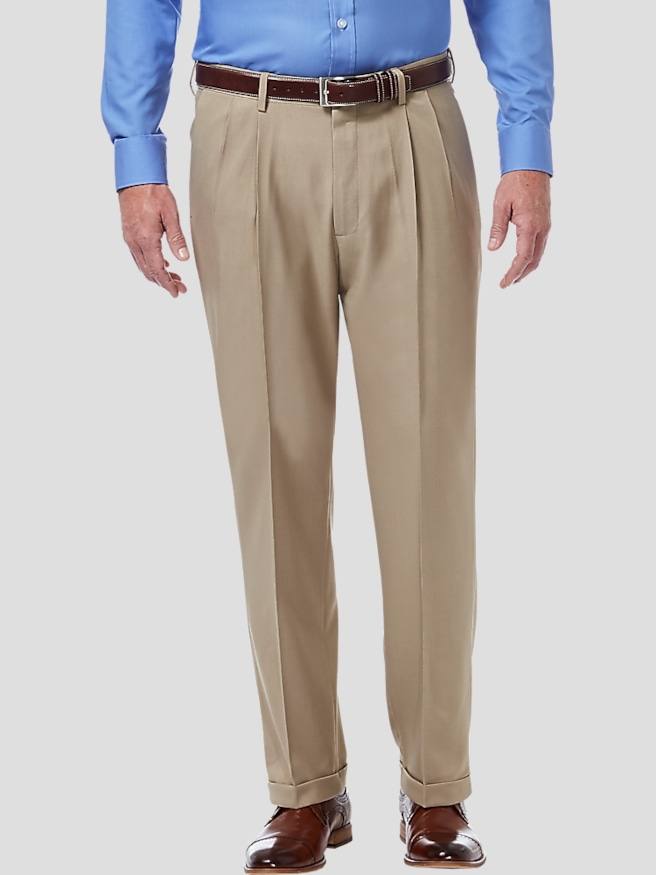
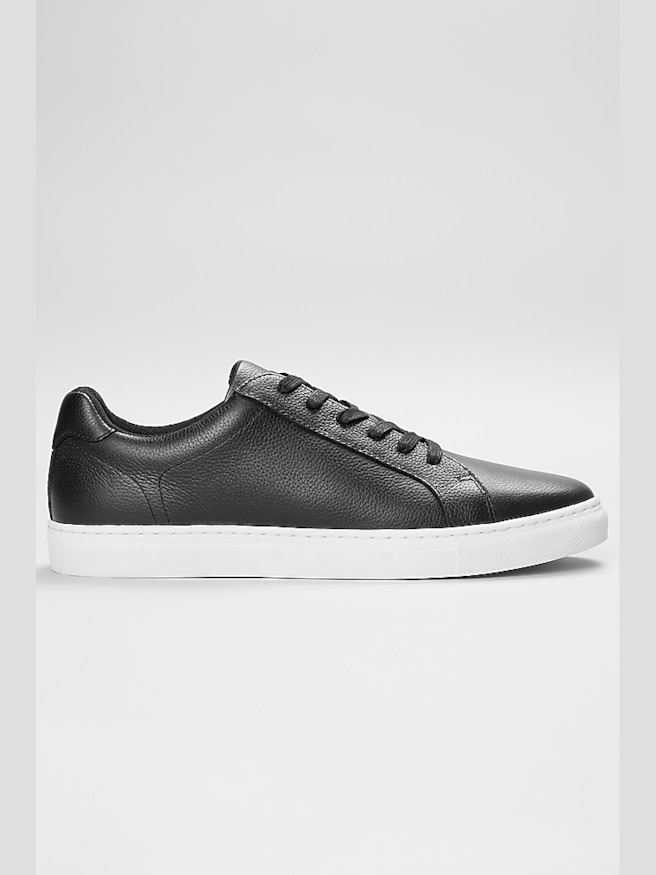
Business casual shoes for teens bring a polished finish to outfits without the stiffness or ceremony of traditional formal footwear. The most useful styles balance a neat silhouette, a comfortable fit, and a sole suited to the day ahead, whether that means a classroom presentation, a first job interview, or an afternoon visiting a college campus. Loafers, understated lace-ups, and dress shoes with athletic-inspired soles can all fit this middle ground, depending on the setting’s dress code. Smooth leather generally looks sharper, while suede adds a softer texture that feels at home with chinos and knit layers. Minimal detailing makes footwear easier to coordinate: a clean toe, restrained stitching, and an unobtrusive sole tend to work across more outfits than bold hardware or pronounced color contrasts. Black shoes create a crisp finish with charcoal or black pants, while brown shades pair naturally with navy, olive, tan, and many gray fabrics. Dark brown can be especially versatile for a teen building a small wardrobe around school events and early workplace experiences. The right level of polish depends on the occasion rather than age alone. A relaxed school function might allow simple leather sneakers, but an interview or a workplace with stricter expectations may call for loafers or lace-up shoes instead. Business casual does not have one universal definition, so a school’s or employer’s stated requirements take priority over any style label. For many teens, the appeal is footwear that feels like a natural extension of everyday clothes rather than part of a costume. Rounded or softly tapered toes, moderate sole thickness, and familiar colors help create that effect. Shoes that look appropriate beneath a desk should also feel manageable on stairs, in hallways, and during the walk from a bus stop. That combination of presentable styling and practical wear is what makes business casual footwear useful beyond a single photograph or special occasion.
Materials and construction influence how business casual shoes feel, how they age, and how much attention they need between outings. Smooth leather can develop creases with wear and benefits from care suited to its finish; suede has a textured surface that needs its own brush and compatible cleaning products. Synthetic uppers vary widely in flexibility and breathability, so the material description alone does not tell the whole comfort story. Linings, seams, footbed shape, and sole construction matter just as much. A cushioned footbed may soften the sensation underfoot, while a flexible forefoot can make walking feel more natural, but neither compensates for a shoe that squeezes the toes or slips excessively at the heel. For teens whose feet are still changing, checking both length and width is more useful than assuming the previous size will remain correct. A comfortable fit leaves room for toes to move without allowing the foot to slide forward with every step. Trying shoes with the socks intended for everyday wear gives a more realistic sense of fit, particularly when cooler weather calls for slightly thicker pairs. Lace-up styles offer adjustment across the instep, while loafers rely more heavily on the shape of the upper to hold the foot securely. Firm pressure, rubbing seams, or pinched toes should not be dismissed as problems that wear will automatically solve. Durability also comes from choosing construction suited to the routine. A teen moving between classrooms and a part-time office role may appreciate a rubber outsole with useful traction and enough flexibility for frequent walking. A sleek leather sole has a dressier character but may feel less forgiving on long stretches of pavement. No outsole guarantees grip on wet leaves or icy surfaces, and suede or untreated leather is not automatically weather-resistant. Broadly, shoes last better when allowed to dry naturally after damp conditions, away from direct heat. Removing surface dirt, using material-appropriate care, and giving footwear time to air out help maintain its appearance. Occasional checks for worn tread, loose stitching, or a compressed interior can reveal when maintenance or replacement deserves attention.
A versatile pair of business casual shoes makes getting dressed simpler when a teen’s schedule moves between familiar routines and new responsibilities. With straight or gently tapered chinos, loafers create an easy, composed look for an awards ceremony or a school club presentation. Understated lace-ups work well with tailored pants and a tucked-in shirt for an internship interview, while a softer suede finish can complement textured trousers and a lightweight sweater at a family gathering. Hem length affects the overall impression: pants that fall cleanly near the top of the shoe show its shape better than fabric that gathers heavily around the ankle. Socks add another practical detail, providing a layer between the foot and the shoe while helping the outfit look intentional. Dark, subtle socks keep the transition from trousers to footwear quiet; a small pattern can add personality when the occasion allows it. Coordinating footwear with business casual shirts for teens helps establish a consistent level of formality without requiring every piece to match exactly. A brown leather shoe, navy chinos, and a pale button-down make a straightforward combination, while black lace-ups, gray pants, and a fine-gauge knit feel slightly more reserved. During the cooler months, layers can add warmth without changing the role of the shoes, though outdoor conditions may make separate footwear sensible for the trip. The most successful combinations leave room for personal taste while respecting the setting, whether that means a slip-on shape for someone who prefers simplicity or adjustable laces for someone who likes a more secure feel. Business casual shoes can also be a thoughtful gift for a teen approaching a first interview, a new school program, or another milestone that calls for a more polished wardrobe. Fit and personal preference are especially important for a footwear gift, since an appealing shape is only useful if it feels comfortable on the intended wearer. A pair chosen around actual routines, familiar colors, and realistic care habits has a better chance of becoming part of regular dressing rather than being reserved for rare occasions.