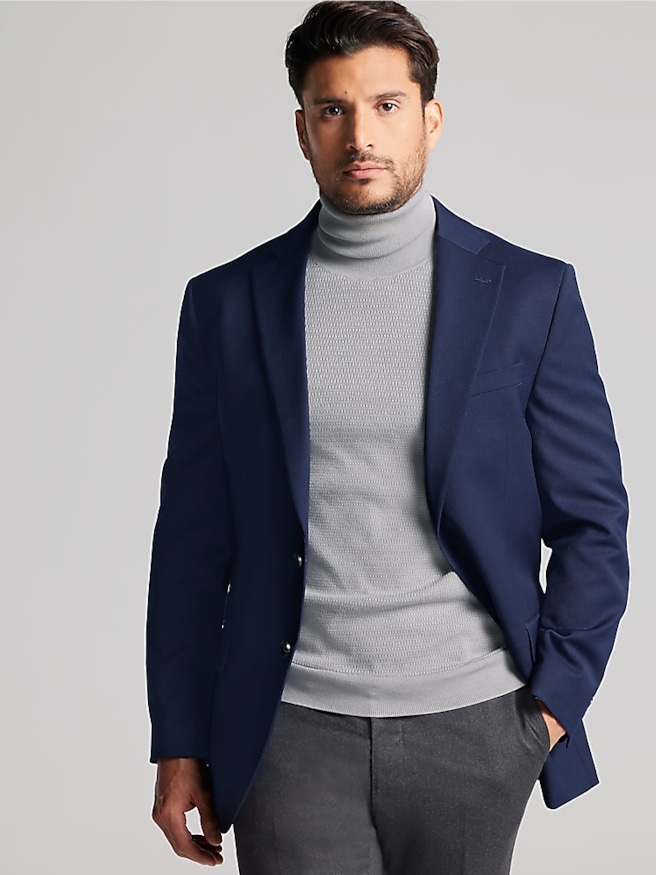
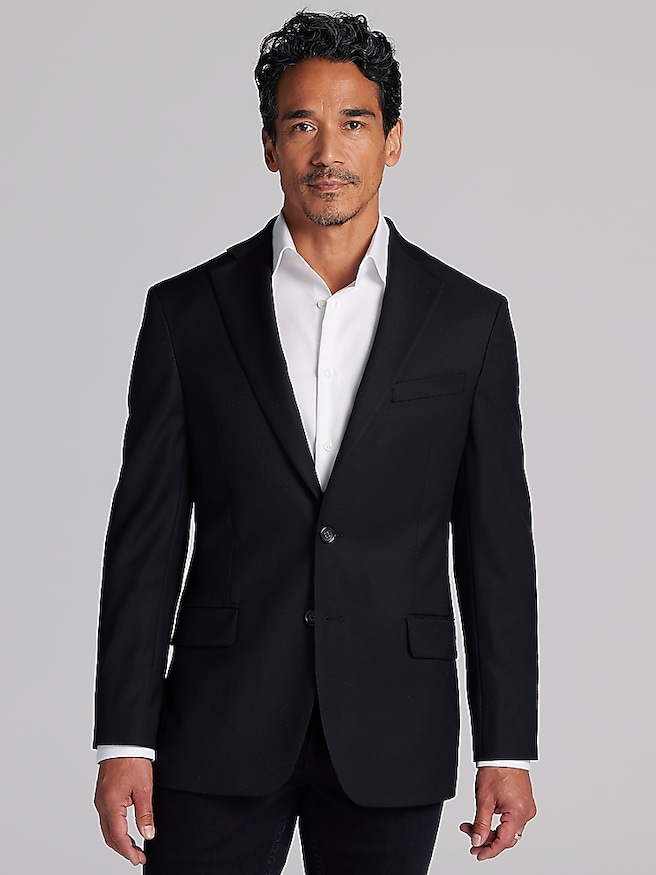
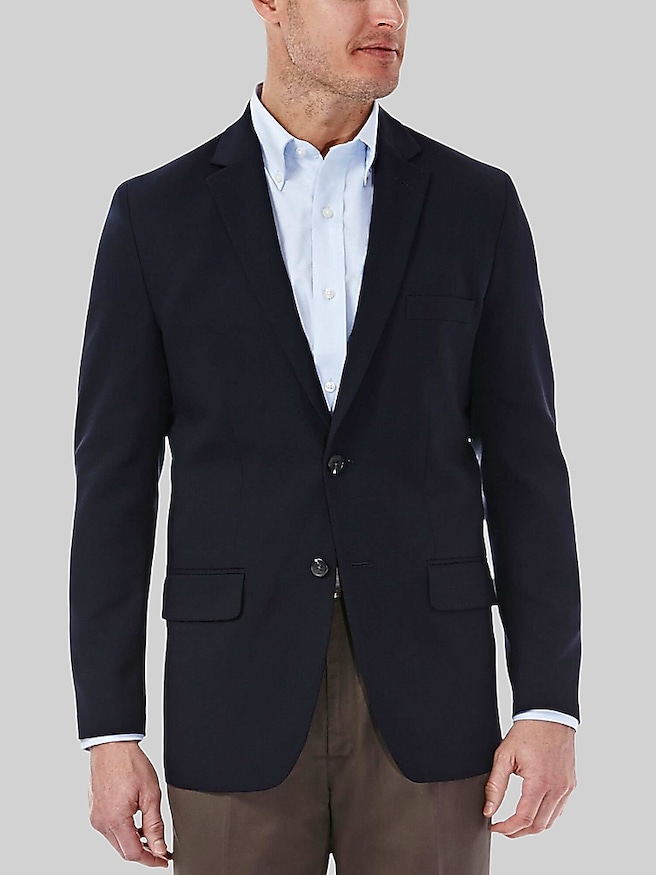
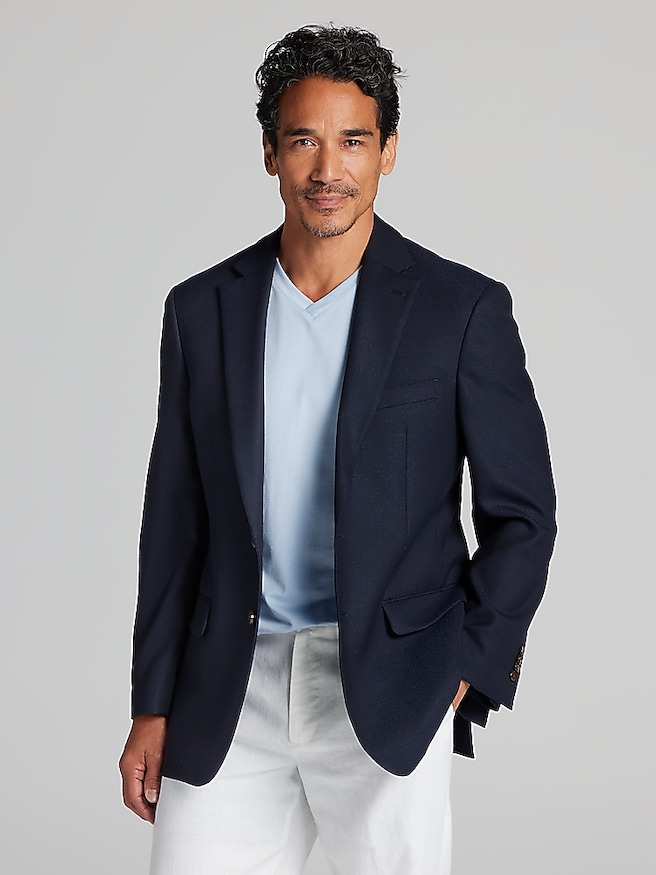
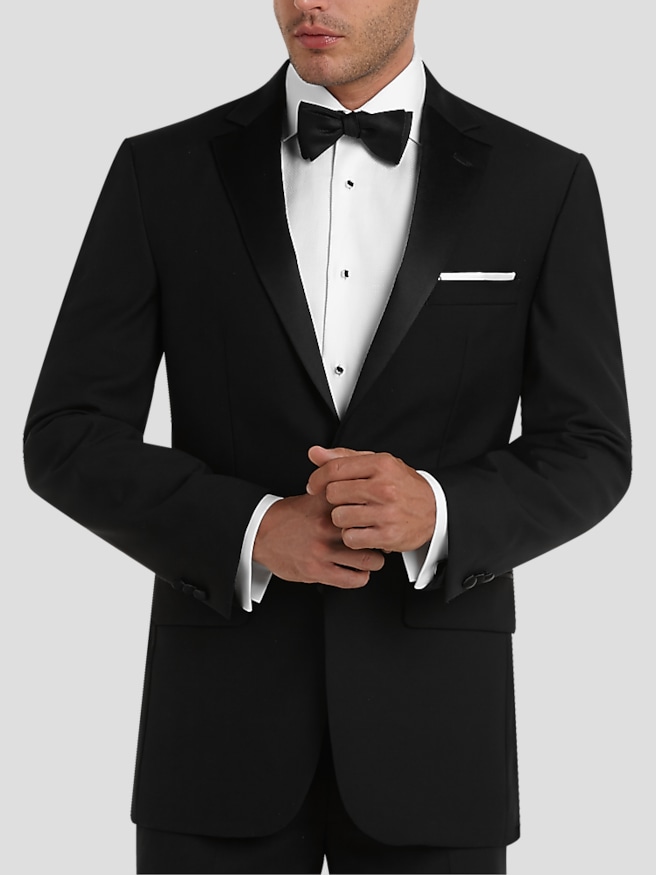
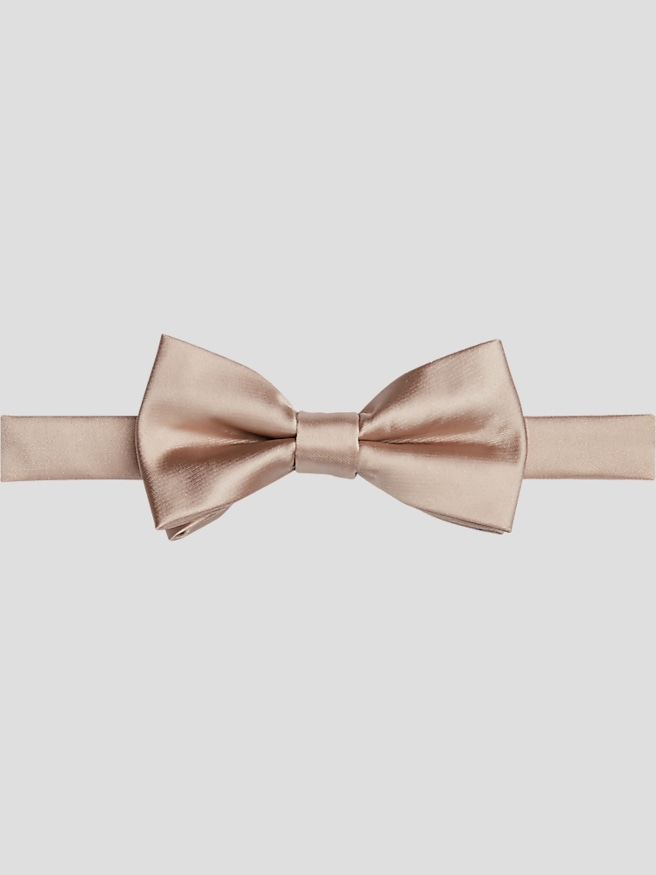
A formal dinner outfit for men should bring together polish, proportion, and comfort in a way that suits the occasion without appearing overdone. When the invitation calls for black tie, the traditional choice is a black or midnight-blue tuxedo with a refined dinner jacket, matching trousers, a crisp white formal shirt, and a black bow tie. Look for details that create a clean, continuous line, including satin peak lapels or a shawl collar, a single satin stripe along the outer trouser seam, and a shirt with French cuffs that can be finished with understated cufflinks. A tuxedo is generally worn without a belt; side adjusters or formal braces help keep the trousers secure while preserving the smooth appearance expected with eveningwear. A low-cut formal waistcoat or silk cummerbund can complete the silhouette, particularly when the jacket is worn open or during a seated dinner. Black patent leather shoes are a classic match, while polished black leather formal shoes can also work when their shape is sleek and their finish is well cared for. Over-the-calf dress socks help maintain coverage when sitting, standing, or crossing a leg. These details matter because formal dressing is often seen in motion: under warm dining-room lights, in photographs beside a wedding party, or across a candlelit table where a tidy collar and well-fitted jacket make a lasting impression. Fit should be considered before color or decoration. The jacket should lie flat across the shoulders, close comfortably without pulling at the button, and allow natural movement through the arms. Trouser hems should meet the shoe with a restrained break, and shirt cuffs should extend slightly beyond the jacket sleeve. A formal outfit that fits well feels composed from the moment of arrival through the final course.
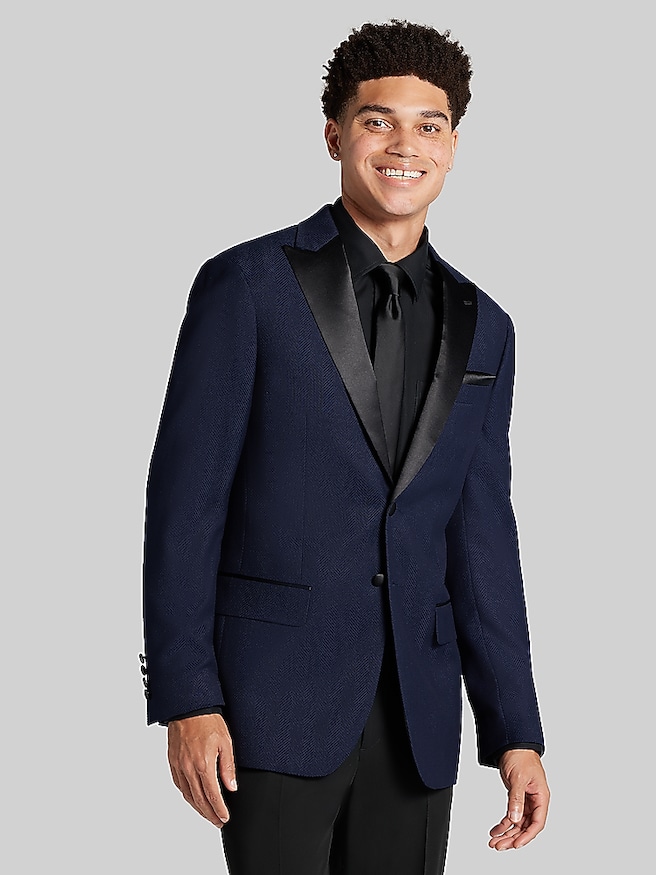
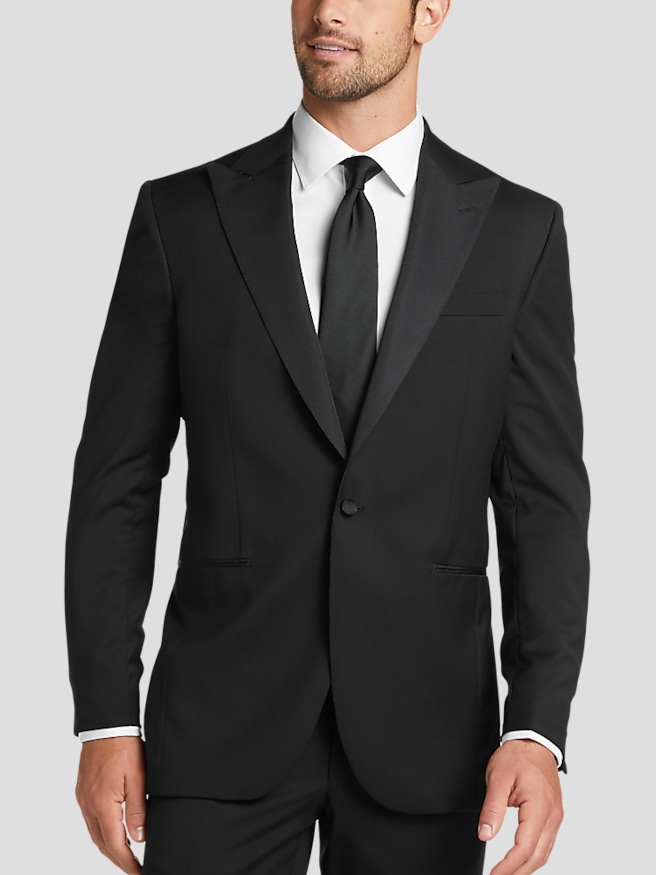
Not every dinner carries a strict black-tie requirement, and the wording on an invitation is the best starting point for choosing the right level of formality. For black-tie optional events, a dark, well-tailored suit in navy, charcoal, or black is a dependable alternative when a tuxedo is not required. Pair it with a white dress shirt, a conservative silk tie, a coordinating pocket square, and polished leather dress shoes for a confident appearance that remains appropriate for weddings, fundraisers, receptions, and upscale restaurant dinners. A dark suit can also serve for business formal occasions, anniversary celebrations, evening ceremonies, and professional gatherings that call for more than everyday officewear. When the setting allows for creative formal attire, a dinner jacket in a rich texture or subtle pattern can add personality while maintaining an elegant foundation; balance a statement jacket with simple trousers, a clean formal shirt, and restrained accessories. The dining environment is another useful consideration. Indoor evening events often favor deeper colors and refined fabrics, while an outdoor dinner may call for lighter construction, breathable materials, or a jacket that can be comfortably worn as temperatures shift. As the weather warms, unstructured layers and lightweight dress shirts can make long dinners more comfortable. During the cooler months, a tailored overcoat, fine-knit layer, or formal scarf can provide warmth without obscuring the outfit beneath. Accessories should support the overall look rather than compete with it. A slim leather belt may suit a standard formal suit, while tuxedo trousers are better paired with side adjusters or braces. A simple watch, understated cufflinks, and a neatly folded pocket square add finish without making the ensemble feel busy. For additional ways to coordinate color, dress codes, and accessories, explore Formal Outfit Ideas For Men.
Formal dinner clothing can be a practical addition to a wardrobe and a thoughtful gift for someone preparing for an important milestone. A well-chosen dress shirt, tie, cufflink set, polished shoe style, or tailored suit can help a recent graduate prepare for ceremonies and interviews, give a wedding guest confidence during a full day of photographs and celebrations, or help a professional build a reliable wardrobe for client dinners and formal events. When selecting an outfit as a gift, neutral colors and classic silhouettes are often the most versatile, especially if the recipient’s measurements, preferred fit, and existing wardrobe are known. A gift centered on accessories may be easier to choose when sizing is uncertain, while a suit or tuxedo should be selected with enough room for professional tailoring. Consider how the recipient is likely to use the clothing: someone attending occasional formal dinners may value a dark suit that can be dressed up or down, while someone with recurring black-tie invitations may benefit from a complete tuxedo foundation and formal accessories. Travel is worth considering as well. Wrinkle-resistant fabrics, durable garment construction, and a jacket with enough room for comfortable movement can make a difference when an outfit is packed for a destination dinner or carried to an event. Before wearing formal clothing, inspect the collar, cuffs, trouser hem, and shoe finish, then allow sufficient time for pressing and alterations. Keep jacket pockets lightly filled so the fabric retains its shape, and store formal pieces on sturdy hangers after the event. The best formal dinner outfit is one that respects the dress code, reflects the setting, and lets the wearer focus on conversation, celebration, and the experience of the evening.