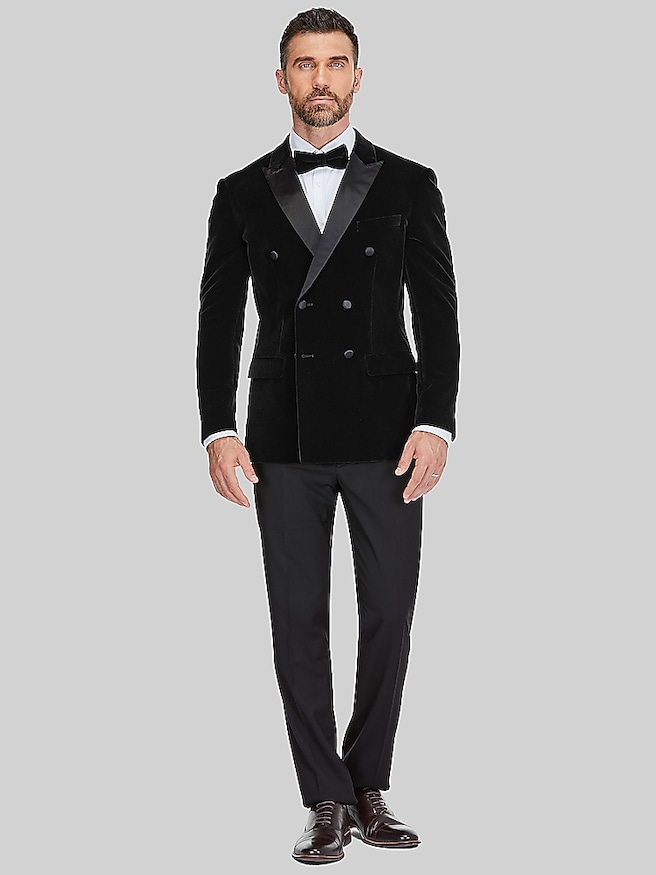
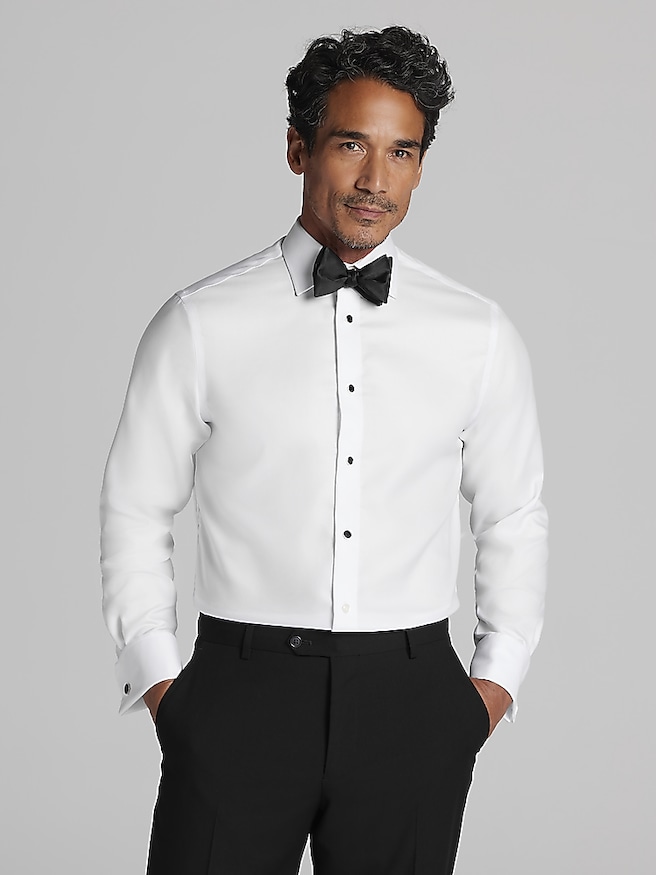
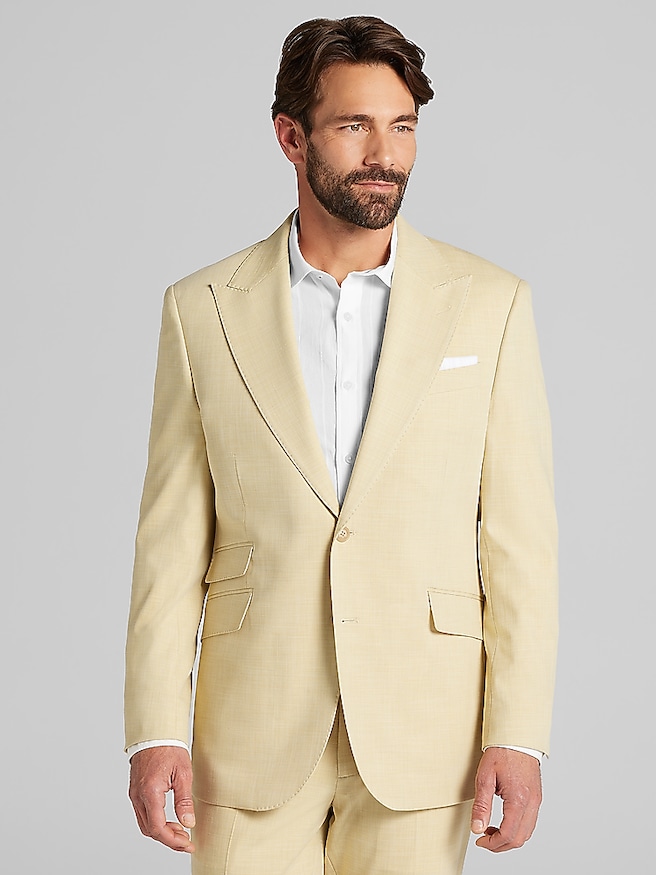
Formal church outfits combine polished tailoring, comfortable coverage, and details that feel appropriate in a place of worship. For men, that often means a matching suit, a collared dress shirt, a tie, and leather dress shoes, though expectations vary by congregation, denomination, and the occasion. A familiar Sunday service may call for a sport coat and dress trousers, while a church wedding, confirmation, or anniversary service may suit a more coordinated look. Navy and charcoal are versatile foundations because they pair easily with white, pale blue, and subtly patterned shirts without drawing attention away from the service. Black can also be appropriate, particularly for solemn occasions or settings with an established formal dress tradition. A fine stripe, small check, or restrained tie pattern adds character while keeping the overall impression composed. The distinction between formal church clothing and evening formalwear matters: a well-fitted suit is often more appropriate for worship than a tuxedo, unless an associated event specifically requests black tie. Clothing choices can also reflect a role within the congregation. An usher greeting people at the door, a reader standing at the lectern, or a family member participating in a baptism may appreciate an outfit that looks neat from every angle and stays comfortable through repeated movement. For someone attending an unfamiliar church, the congregation’s stated dress expectations provide a more reliable reference than any universal rule. Local customs can differ considerably, even among churches within the same tradition. Modesty and respect are usually expressed through clean, well-maintained clothing, a balanced fit, and an absence of distracting details rather than a single required color or silhouette. The strongest combinations feel intentional without looking theatrical: a jacket that sits naturally across the shoulders, trousers that hang cleanly, and a shirt collar that frames the face comfortably. Together, those elements create a composed appearance for worship, family photographs, and gatherings before or after the service.
Fabric and construction influence how formal church attire looks at the beginning of a service and how it feels by the end. Wool suiting is valued for its drape, resilience, and ability to recover from light creasing; wool blends can bring a similar tailored appearance with different handling and care requirements. Fabric weight, weave, and lining also affect how a garment moves, so fiber content alone does not tell the whole story. A smooth finish generally reads as dressier than a heavily textured surface, while subtle texture can give a solid-colored jacket depth without a bold pattern. Cotton dress shirts offer a familiar, breathable feel, with poplin providing a smooth appearance and twill adding a slight diagonal texture. Blended shirting may offer easier wrinkle management, depending on its construction and finish. Stretch can help with movement, but it does not replace adequate room through the chest, waist, and seat. Church services often involve sitting, standing, and sometimes kneeling, making comfort in those positions as important as appearance in front of a mirror. A jacket should lie smoothly across the upper back without pulling when the arms move forward. Its collar should rest close to the shirt collar, and the lapels should sit flat rather than bow outward. Shirt cuffs can extend slightly beyond the jacket sleeves for a neat finish. Trousers need enough room to sit comfortably without strain at the pockets, with a hem that meets the shoes cleanly instead of collecting in folds. Durability depends partly on those fit details, since persistent tension can stress seams and fabric. Care is equally practical: garment labels should determine cleaning methods, sturdy shaped hangers help jackets retain their form, and airing clothing after wear can reduce unnecessary cleaning. Prompt attention to small stains, loose buttons, and worn hems keeps a frequently worn church outfit presentable. Shirts benefit from careful pressing around the collar, cuffs, and front placket, where wrinkles are especially visible beneath a jacket.
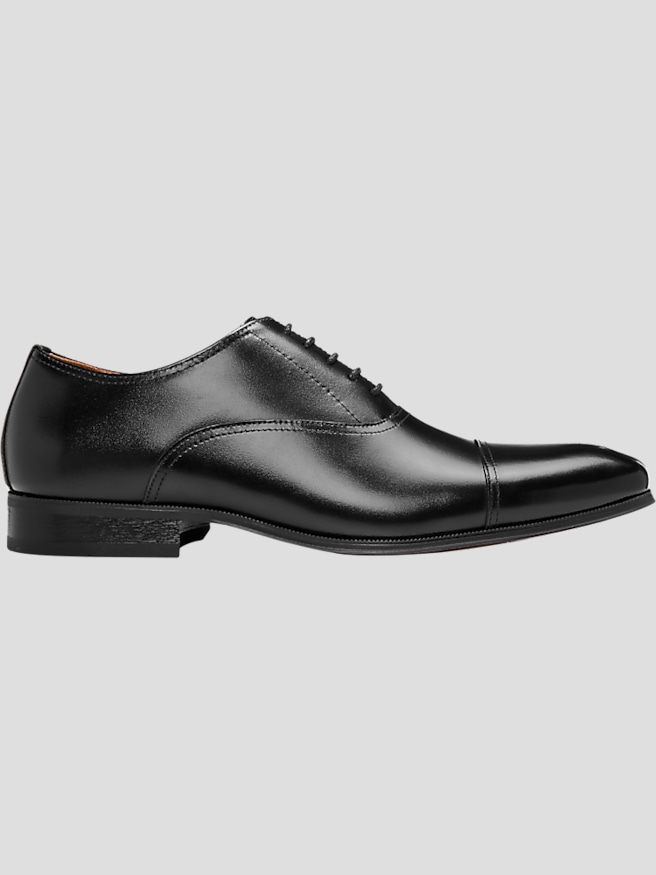
Formal Clothing selected for church can also serve at other occasions where a respectful, tailored appearance matters, including ceremonies, milestone celebrations, and professional gatherings. That flexibility comes from building around pieces that coordinate easily rather than relying on an elaborate combination. A solid suit can take on a distinctly different character with a crisp white shirt and a quiet silk tie, then feel less ceremonial with a pale blue shirt and a small repeating pattern. When a sport coat and separate trousers suit the setting, enough contrast between the two helps the combination look deliberate rather than like an unmatched suit. Accessories work best when they support that clarity. A tie should sit comfortably beneath the collar, with its tip near the waistband; a simple knot that suits the collar shape is usually enough. A pocket square is optional, and a restrained fold adds definition without competing with the tie. Leather lace-up shoes offer a traditional finish, while suitably polished loafers may work in congregations with a less strict dress expectation. Shoe condition often makes a greater impression than decorative details: clean uppers, maintained soles, and tidy laces contribute to the overall appearance. A leather belt in a similar color family creates continuity, and dress socks that complement the trousers help maintain a clean line when seated. For long services or occasions involving extended standing, a secure heel fit and adequate toe room deserve as much attention as shine. These considerations also make church clothing a meaningful gift for a father, grandfather, spouse, or adult son who values dressing for worship. Shirts, ties, and other accessories are easier to choose when size, preferred colors, and established habits are known; tailored clothing benefits from accurate measurements and personal fit preferences. Whether worn every Sunday or reserved for significant services, a formal church outfit earns its place through dependable comfort, careful upkeep, and a style that feels natural to the person wearing it.