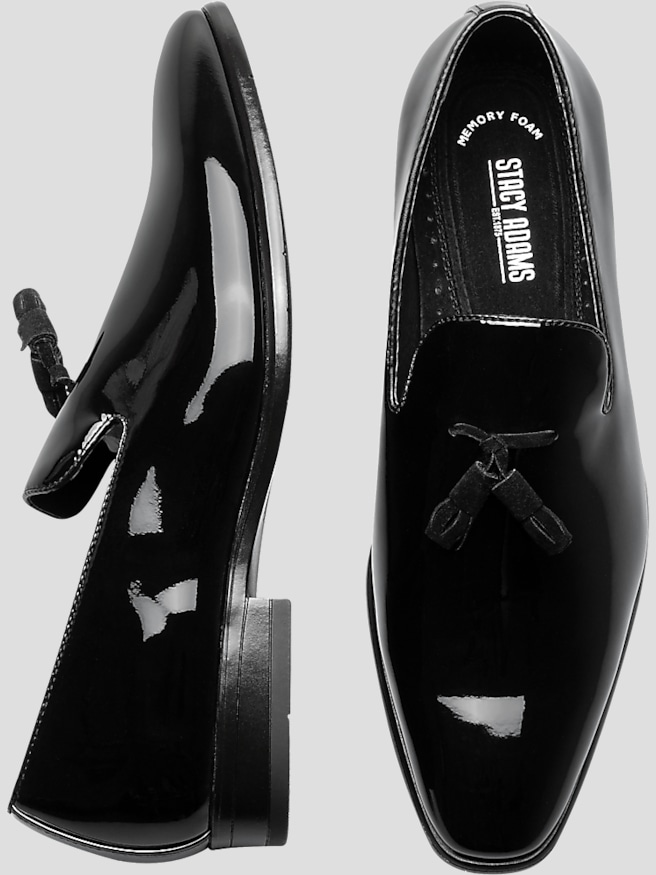
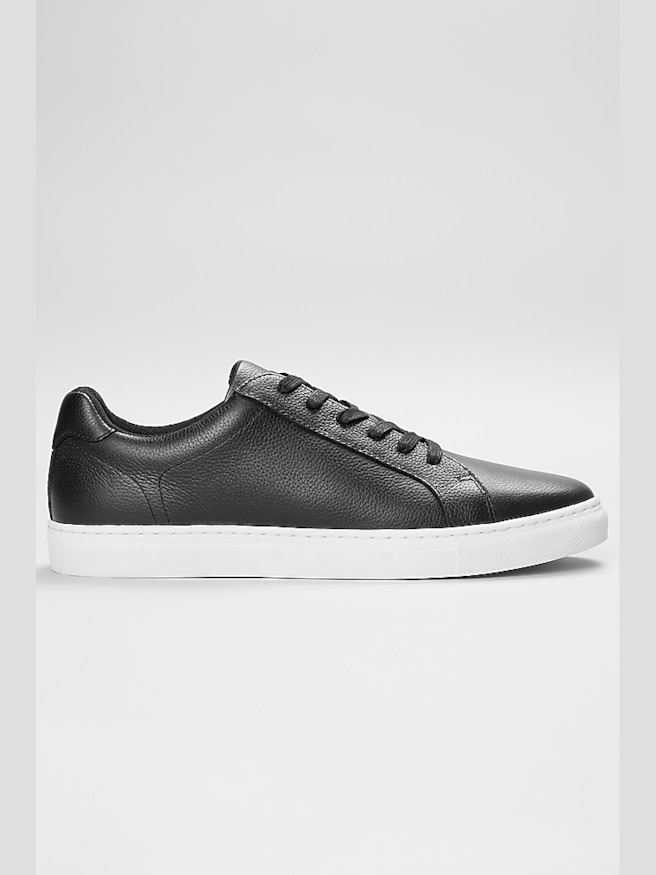
Flat shoes are footwear with little or no heel elevation, offering a low-profile silhouette that can feel relaxed, refined, or athletic depending on the shape and construction. For men, familiar styles include loafers, moccasins, slip-ons, and streamlined sneakers, each with its own balance of structure and ease. A loafer with a rounded toe and a smooth leather upper creates a clean line beneath tailored trousers, while a soft moccasin brings a more casual character to chinos or denim. Minimal sneakers can work with an untucked button-down or a knit polo without making the outfit feel overly sporty. The term “flat” describes the overall profile, not a guarantee of cushioning, flexibility, or a completely level footbed. Some shoes that look flat still have a slight difference in height between the heel and forefoot, and a low heel does not necessarily mean a thin sole. Those distinctions matter when choosing footwear for a desk-to-dinner schedule, an afternoon spent walking, or an occasion with long stretches of standing. The most versatile shapes tend to have balanced proportions: enough room through the toe, a heel that stays secure, and an upper that sits neatly against the foot. Smooth finishes and understated stitching generally look more polished, while visible seams, textured fabrics, and thicker soles give a pair a more laid-back appearance. For wardrobes built around chinos, dark denim, and unstructured jackets, Dress Casual Shoes offer another way to balance a neat appearance with everyday ease. Pant length also changes the effect. A hem that rests lightly above the shoe keeps a slim silhouette visible, while excess fabric pooling around the ankle can overwhelm it. Flat shoes can suit office days, casual celebrations, travel, and dinner plans, but the finish and construction should match the setting. At an event with a stated dress code, the level of formality matters more than heel height alone.
Materials help determine how flat shoes look, feel, and hold up to repeated wear. Smooth leather can soften with use and develop character, although its initial firmness varies with the hide, lining, and construction. Suede has a soft, textured appearance that works especially well with casual tailoring, but its nap needs different care from polished leather. Canvas and woven textiles often create a lighter, more relaxed impression, while synthetic uppers vary widely in flexibility and breathability. Inside the shoe, a smooth lining can reduce friction, and seams positioned away from pressure points can make a noticeable difference over a full day. Underfoot, cushioning helps soften contact with hard surfaces, but a very soft footbed is not the same as stable support. Sole thickness, flexibility, tread, and the way the heel is held all contribute to the experience of wearing the shoe. Rubber outsoles may provide useful traction, depending on their compound and tread pattern, while leather soles offer a traditional finish and a distinct feel underfoot. Fit deserves just as much attention as material. Toes should have room to move without pressing against the front or sides, and the widest part of the foot should sit comfortably within the widest part of the shoe. A slip-on needs enough hold across the instep to stay in place without squeezing; repeated heel lift can cause rubbing and make walking feel awkward. A lace-up shape allows more adjustment, which can be helpful when foot volume or sock thickness changes the fit. Trying shoes with the socks intended for everyday wear gives a more useful impression than judging them barefoot. No-show socks can preserve an uncluttered look with loafers, while finer dress socks help maintain a smooth line with trousers. A good fit feels secure from the start rather than depending on a lengthy break-in period to resolve pinching or pressure. For anyone who uses orthotics, removable insoles and adequate interior depth can be important considerations, since not every low-profile style accommodates an insert comfortably.
Durability depends on more than a substantial-looking sole. Stitching, the connection between the upper and outsole, the quality of the lining, and wear at the heel all influence how a pair performs over time. Shoes intended for short drives and relaxed outings may have very different construction from footwear suited to a commute with several blocks of walking. A flexible driving-style sole, for example, can feel easy behind the wheel without being the best choice for repeated pavement mileage. For days that include station platforms, office corridors, and dinner afterward, a secure fit and an outsole matched to those surfaces are more useful than appearance alone. Routine care helps preserve both shape and finish. Loose dirt is easiest to remove before it becomes embedded, using a soft cloth or a brush suited to the upper. Smooth leather generally benefits from compatible cleaning and conditioning products used according to their directions, while suede calls for a dedicated brush and treatment appropriate to its texture. Textile and synthetic shoes should be cleaned according to their care instructions rather than assumed to be machine washable. Letting footwear air out between wears helps the interior dry, and keeping it away from direct heat reduces the risk of damage to leather, adhesives, or other components. Shoe trees can help suitable leather styles retain their shape, while a shoehorn reduces strain on the back of a close-fitting slip-on. These practical details also matter when flat shoes are chosen as a gift. A recipient’s usual size is only a starting point; width, preferred socks, familiar silhouettes, and everyday routines are equally useful clues. Someone who dresses in pressed trousers may appreciate a restrained, polished shape, while someone who lives in denim may favor a softer upper or a more casual sole. The strongest choice is footwear that fits naturally into the wearer’s life, with the right balance of comfort, appearance, and care requirements for repeated use.