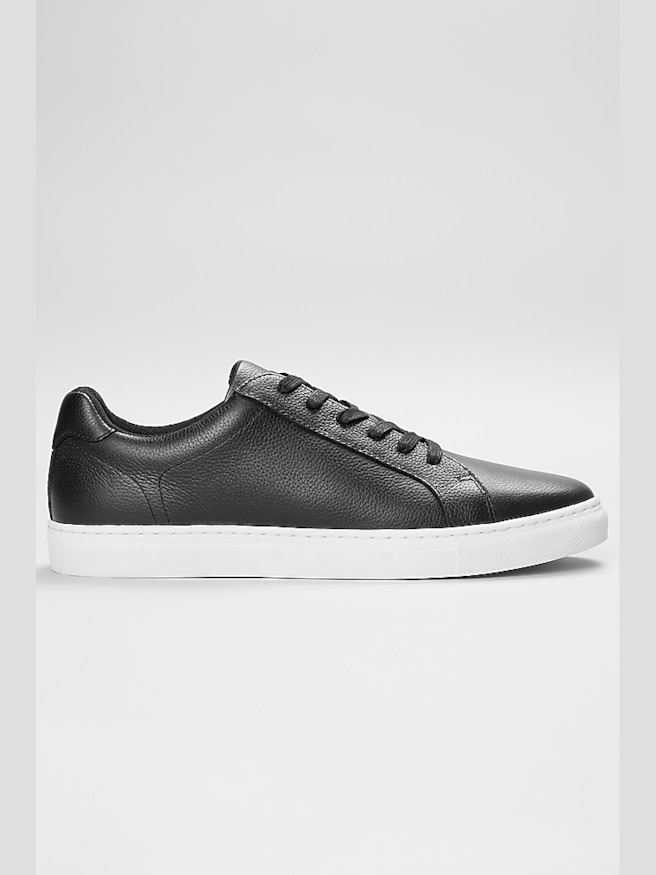
Dress casual shoes bring a finished look to everyday clothing without making an outfit feel overly formal. They occupy the useful space between athletic sneakers and traditional dress footwear, pairing naturally with chinos, tailored trousers, and dark denim. A smooth leather lace-up can give an open-collar shirt and cotton pants a more polished finish, while a suede loafer can soften the appearance of a sport coat without looking out of place beneath it. The distinction often comes down to proportions and surface details: a rounded or gently tapered toe, restrained stitching, and a sole that feels balanced against the upper. Slimmer shapes tend to complement narrower pant openings, while a slightly more substantial sole can sit comfortably beneath straight-leg trousers. Neither approach needs to look rigid or overly styled. Brown shades offer an easy connection to navy, olive, gray, and earth tones; black creates a cleaner, sharper line, especially with charcoal or dark denim. Burgundy adds depth without requiring a bold pattern elsewhere in the outfit. Texture matters just as much as color. Softly grained leather has a relaxed character, smooth leather looks more refined, and suede gives familiar clothing a quieter, less structured finish. Decorative perforations, visible seams, and understated hardware can add personality, though simpler uppers generally make it easier to move between workplace and social settings. The related Shoes Semi Casual category explores this same balance between a dressed-up appearance and everyday ease. For an office with a flexible dress code, a dinner reservation, a family gathering, or a networking event, the right footwear helps an outfit look considered without suggesting formal evening attire. Dress casual shoes are especially useful when a jacket is optional: they supply enough polish to give a simple shirt-and-pants combination a deliberate finish. They are not a substitute for formal footwear at an occasion with an explicit formal dress code, but they can suit many settings where neatness matters more than ceremony.
Comfort in dress casual shoes depends on more than a soft first impression. The shape of the shoe, the room through the forefoot, the support beneath the foot, and the way the heel stays in place all contribute to how it feels after several hours. Toes need space to rest naturally rather than press against the front or overlap, and the widest part of the foot should sit comfortably within the widest part of the shoe. A secure fit does not require tight lacing or pressure across the instep. Loafers rely more heavily on their shape to hold the foot, while lace-up styles allow some adjustment through the upper. A small amount of initial firmness in leather can ease with wear, but pinching, numbness, and persistent rubbing are not useful signs of a good fit. Socks also affect the experience: a pair intended for thin dress socks may feel noticeably tighter with a heavier knit. Trying footwear with the socks intended for regular use gives a more realistic sense of both space and heel hold. Materials influence comfort and appearance in different ways. Leather can develop a distinctive patina with proper care, while suede offers a soft, textured surface that works particularly well with less structured clothing. Textile and synthetic components vary in flexibility, breathability, and maintenance needs, so the overall construction matters more than a single material label. Underfoot, rubber soles can offer cushioning and grip on many everyday surfaces, while leather soles often create a sleeker profile and a firmer feel. Neither sole material guarantees traction everywhere. A shoe should flex near the ball of the foot rather than force an awkward stride, and interior seams should not create noticeable pressure points. Removable footbeds may be helpful for someone who uses compatible inserts, provided the shoe has enough depth to accommodate them. For a day that includes commuting, standing through a presentation, and walking to dinner, these details can matter as much as the appearance of the upper.
Durability is shaped by construction, daily use, and the attention given to care. Neat stitching, firmly attached soles, smooth interior finishing, and a heel that feels stable are useful qualities in footwear intended for regular rotation. A substantial sole may stand up well to frequent walking, but extra thickness alone does not establish quality; the shoe still needs to feel balanced and move comfortably with the foot. Care is most effective when it suits the material. Smooth leather generally benefits from having dust removed with a soft brush or cloth before an appropriate conditioner or polish is applied according to its directions. Testing a care product on an inconspicuous area helps reduce the chance of an unexpected color change. Suede needs a different approach, typically using a dedicated brush to lift the nap and address surface marks rather than applying conventional leather polish. Material-specific instructions remain important for mixed-material uppers, special finishes, and light colors. Letting shoes air between wears helps the interior dry, and properly sized shoe trees can help preserve the shape without stretching the upper. A shoehorn reduces strain on the heel counter, particularly in close-fitting slip-on styles. These small habits support a more consistent appearance and can reduce avoidable wear, though no shoe is immune to scuffs or eventual sole wear. For gifting, dress casual shoes can be a thoughtful choice for a father, partner, brother, or recent graduate building a versatile wardrobe, especially when the recipient’s size, width, and preferred style are already known. Someone starting an office job may appreciate a restrained shape that works with several pairs of trousers, while someone who dresses casually most days may get more use from texture and a less formal sole. The strongest choice reflects actual routines rather than an imagined dress code. Footwear that fits comfortably, suits familiar clothing, and feels appropriate for recurring occasions is far more likely to become part of an everyday wardrobe.