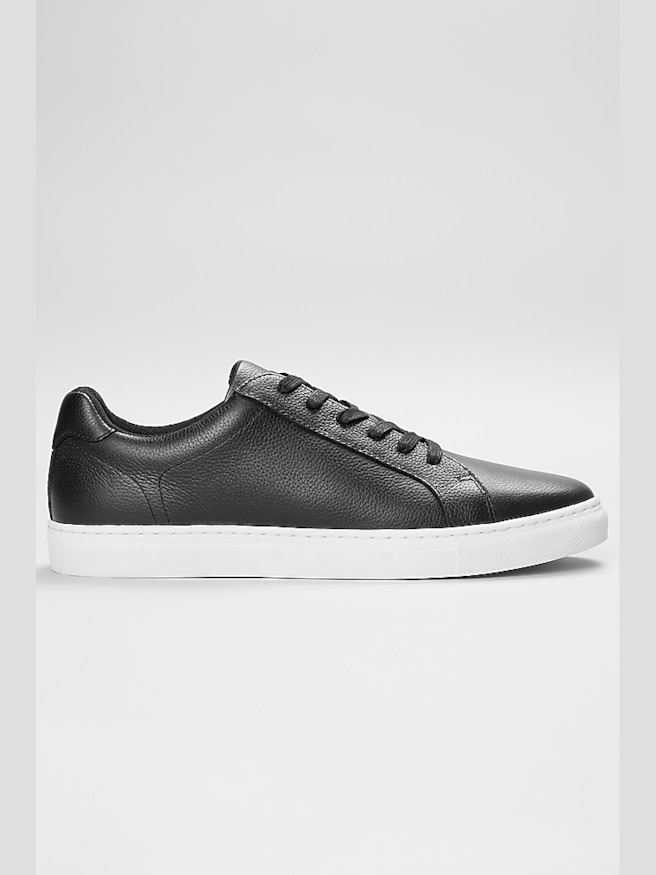
Semi-casual shoes combine the polish of dress footwear with the ease of everyday shoes, making them a natural match for chinos, dark denim, and relaxed tailoring. The category sits between athletic sneakers and traditional dress shoes: neat enough for many business-casual offices, yet comfortable in settings where a full suit would feel out of place. Loafers, understated lace-ups, chukka boots, and streamlined leather sneakers can all fit this middle ground, depending on their shape, finish, and detailing. A rounded or softly tapered toe generally looks more relaxed than a sharply pointed profile, while restrained stitching and a low-profile sole keep the overall effect tidy. A brown leather lace-up worn with navy chinos and an Oxford shirt can move easily from a morning meeting to dinner with friends. A suede loafer paired with straight-leg trousers and a knit polo offers a softer, less structured look without appearing unfinished. Minimalist sneakers can work with casual tailoring when they have clean uppers, discreet detailing, and proportions that complement the pants, but they remain a casual choice rather than a substitute for formal footwear. That distinction matters for weddings, ceremonies, and workplaces with a stated dress code. Semi-casual describes a flexible everyday style, not the same level of dress as semi-formal attire. Color also shapes how a shoe reads. Black can create a sharper contrast, medium and dark browns coordinate easily with earthy or blue tones, and lighter neutrals give simple outfits a more relaxed character. Matching shoes and a belt closely is less important in casual dressing than keeping their colors and textures compatible. Pant length makes a noticeable difference, too: a clean hem that meets the top of the shoe allows the silhouette to show, while excess fabric can hide even a carefully chosen pair. Socks can blend with trousers for a continuous line or introduce a subtle pattern that feels intentional without competing with the rest of the outfit.
Materials and construction influence both the appearance of semi-casual footwear and how it feels through an ordinary day. Smooth leather offers a defined finish that pairs naturally with woven shirts and tailored pants, while suede brings a textured surface that works especially well with denim, twill, and knitwear. Nubuck has a similarly soft appearance, although its fine nap differs from the more pronounced texture often associated with suede. Leather can develop creases and changes in tone with wear; those characteristics are part of its appearance, but quality, finishing, construction, and care all affect how well it holds up. Textile panels and linings can make a shoe feel less structured, while padded collars and cushioned footbeds may soften contact around the foot. Cushioning alone does not determine comfort. Width, toe shape, heel hold, arch placement, and flexibility all matter, particularly for someone who moves between a desk, meeting rooms, and stretches of walking. A suitable fit leaves room for toes to rest naturally without pressure at the sides or contact with the front. The heel should feel secure without rubbing, and the upper should not squeeze across the ball of the foot. Lace-up styles allow more adjustment across the instep; loafers depend more heavily on the relationship between the foot and the shape of the shoe. Neither should require enduring pinching in the hope that wear will correct the fit. Sole design adds another consideration. Rubber soles can offer flexibility and grip, although tread pattern and surface conditions influence traction. Leather soles create a more traditional profile but feel and perform differently underfoot. A substantial sole can balance heavier denim, while a slimmer one often looks more natural beneath lightweight trousers. Construction also affects long-term use: some stitched designs can be resoled, whereas other constructions are less suited to that work. A pair intended for frequent walking may call for different proportions and support than one worn mainly to seated dinners or occasional gatherings.
The usefulness of semi-casual shoes comes from how readily they fit into familiar routines. For a professional whose office favors open-collar shirts, they can provide a finished look without the formality of highly polished dress footwear. For a student heading to a presentation, a recent graduate starting a job, or someone meeting friends at a restaurant, the same category offers a practical point between dressed down and dressed up. The Casual Chic Shoes aesthetic shares that emphasis on relaxed clothing with a considered finish, where proportion and texture do more work than prominent decoration. Personal habits matter as much as the occasion. Someone who prefers pull-on convenience may appreciate the simplicity of a loafer, while someone who values an adjustable fit may gravitate toward laces. A person who spends much of the day on foot may place greater importance on a secure heel, a suitable footbed, and a sole that bends comfortably with each step. These details also make footwear a thoughtful gift for a partner, father, brother, or graduate, particularly when the recipient’s size, width, and preferred style are known. Care helps preserve both appearance and everyday usefulness. Dust and surface dirt can be removed with a soft brush or cloth appropriate to the material, and smooth leather benefits from suitable conditioning used according to the maker’s directions. Suede needs its own brush and compatible cleaning products rather than the polish used on smooth leather. Allowing shoes to dry naturally after cleaning, away from direct heat, helps protect their shape and finish. Shoe trees can help maintain the upper’s form, while alternating pairs gives interiors time to air out between wears. Worn heel edges, loose stitching, and thinning soles are worth addressing before they affect comfort or damage adjacent areas. With a comfortable fit, compatible materials, and straightforward upkeep, semi-casual footwear can become the pair that makes an ordinary shirt-and-pants combination feel complete.