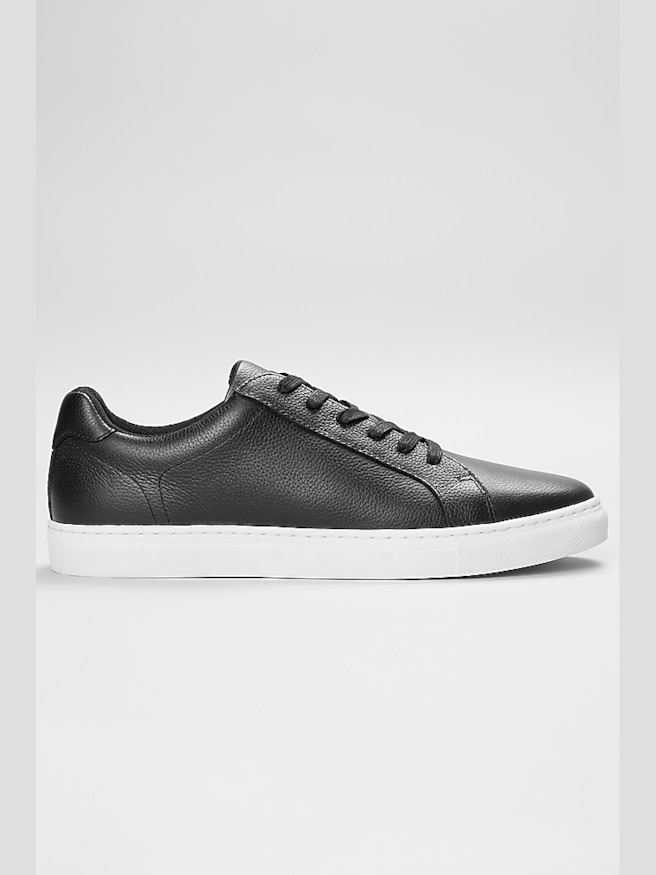
Casual lifestyle shoes are everyday footwear designed to balance a relaxed appearance with comfort for ordinary routines, from commuting and office hours to dinner out and weekend errands. The category includes casual sneakers, slip-ons, and other easygoing silhouettes that sit between athletic footwear and dress shoes. Their appeal is versatility: a streamlined pair can look natural with jeans and a T-shirt, then feel equally at home with chinos and an unstructured jacket. Unlike shoes engineered for a particular sport, lifestyle footwear generally emphasizes everyday wear and styling flexibility rather than specialized performance. That distinction matters when a day includes a walk to the train, time at a desk, and a few stops on the way home. A low-profile shape, a comfortable interior, and a sole suited to routine walking can be more useful in that setting than technical features intended for training. Visually, small details influence how polished a shoe feels. Smooth uppers, subtle stitching, and soles that sit close to the foot tend to complement smart-casual clothing, while textured panels, visible tread, and fuller proportions give an outfit a more athletic character. White and off-white footwear can create a crisp contrast with dark denim; black, brown, gray, and navy often blend easily into a wardrobe built around neutral pants. Matching every color precisely is less important than keeping the overall level of formality consistent. Straight-leg jeans work well with a slightly substantial sole, while tapered chinos often pair neatly with a slimmer silhouette. Pants should fall cleanly around the shoe rather than bunch heavily over it, allowing the shape of the footwear to remain visible. For offices with a relaxed dress code, understated casual shoes can bridge the gap between a collared shirt and comfortable everyday pants. For meals out or informal gatherings, they provide a grounded finishing touch without making an outfit feel overly dressed. The Casual Fall Shoes collection provides another place to explore footwear for a relaxed wardrobe.
Materials help determine how casual lifestyle shoes look, feel, and hold up to repeated use. Smooth leather offers a structured appearance and can develop natural creasing as it flexes with the foot. Suede brings a softer, brushed texture that pairs particularly well with denim and woven fabrics, although its surface needs care suited to the nap. Canvas has an informal character and is often used in flexible, uncomplicated designs. Mesh can encourage airflow, while mixed-material uppers combine textures and may place reinforcement around areas that experience frequent contact. No single material guarantees comfort or durability; lining quality, seam placement, sole construction, and fit all contribute to the experience. A leather upper with a rough interior seam can be less comfortable than a textile upper with a thoughtfully finished lining. Likewise, a thick sole is not automatically more supportive than a thinner one. Cushioning affects the softness underfoot, while the shape of the footbed and the stability of the sole influence how securely the foot rests inside the shoe. Fit should feel comfortable from the start, with room for toes to move and enough space at the front to avoid contact when walking downhill or descending stairs. The heel should feel secure without persistent rubbing, and the upper should hold the midfoot without squeezing it. Trying footwear with the socks intended for daily wear gives a more useful impression than relying on the size label alone. Feet can swell through the day, so an afternoon fitting may better reflect how shoes will feel after several hours of use. Walking across a firm surface also reveals slipping, pressure points, or stiffness that may not be obvious while seated. Lace-up closures allow some adjustment across the instep, while slip-on shapes depend more closely on the relationship between the opening, heel, and foot volume. Anyone who uses an orthotic should check that it fits securely without crowding the toes or lifting the heel too high. Break-in may soften certain materials, but it should not be expected to correct a shoe that is too short, too narrow, or painful.
The best match for everyday wear depends on where casual shoes will spend most of their time. Someone moving between a desk and short walks may prioritize a clean appearance and moderate cushioning, while a traveler navigating terminals and neighborhood streets may place greater value on secure fit, manageable weight, and an outsole with reliable grip. Casual footwear can accommodate plenty of routine activity, but it should not be assumed to replace running shoes, hiking footwear, or shoes required for workplace safety. Tread pattern and outsole material deserve attention, especially for frequent walking on smooth floors; an athletic-looking sole alone does not establish slip resistance. Durability also depends on how shoes are used and maintained. Repeated scuffing at the toe, dragging at the heel, and wearing the same pair continuously can concentrate wear in predictable places. Rotating pairs gives interiors time to air out, and loosening laces before removal helps preserve the heel structure instead of crushing it underfoot. A shoehorn can make a snug opening easier to navigate without pulling hard on the back. For cleaning, follow the care directions for the material and construction rather than treating every casual shoe alike. A soft brush can lift loose dirt before it becomes embedded. Smooth leather may benefit from an appropriate cleaner and conditioner, while suede typically calls for a dedicated brush and products formulated for its finish. Textile shoes should only be machine washed when their care directions expressly allow it. After cleaning, let footwear dry naturally away from direct heat, which can damage some materials and adhesives. Check soles, linings, and heel areas periodically for wear that affects comfort or footing. Casual lifestyle shoes can also make a useful gift for someone starting a relaxed office role, preparing for a trip, or refreshing an everyday wardrobe. Familiarity with the recipient’s size, width, preferred closures, and usual clothing makes the choice more personal. A pair that complements established habits is more likely to become part of the daily routine than one chosen for appearance alone.