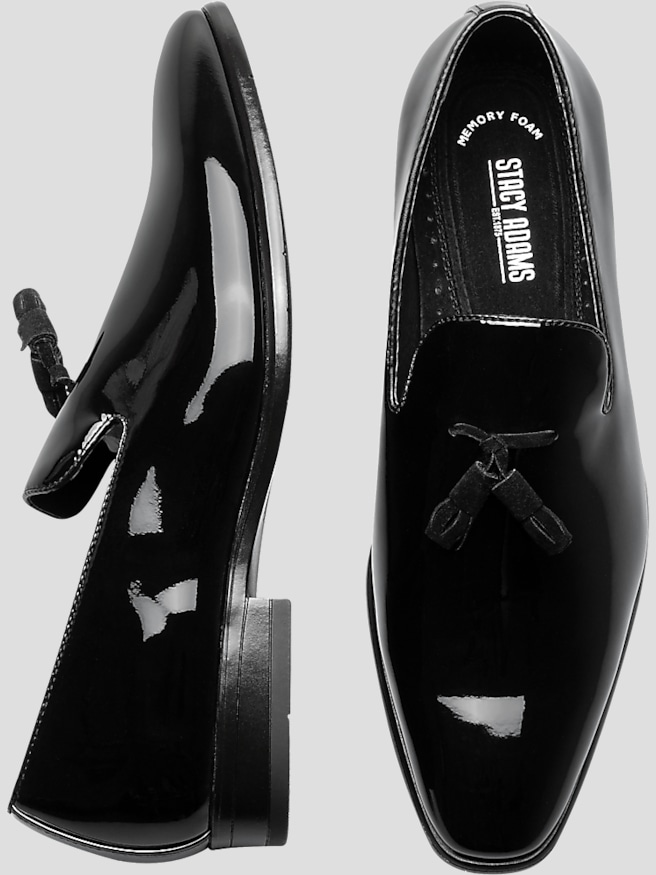
Men’s flats bring a clean, low-profile finish to everyday dressing, with shapes that feel at home beneath tailored trousers, chinos, or dark denim. The appeal is often in the proportions: a neat toe, an upper that follows the foot without excess bulk, and a sole that keeps the silhouette close to the ground. In men’s footwear, a flat profile can still include a modest heel or a defined heel section; it does not necessarily mean a completely level sole. Loafers and other low-cut slip-on styles share this understated character, though their construction and level of polish can vary considerably. A smooth leather upper with restrained stitching creates a sharper impression for an office setting or dinner reservation, while suede lends texture to relaxed trousers and an open-collar shirt. Textile uppers can introduce a more casual appearance, especially when paired with simple, unstructured clothing. Material choice affects more than looks. Leather often softens and develops creases with wear, suede needs attention to its nap, and fabric care depends on the fibers and construction. Linings matter, too: a smooth interior, neatly finished seams, and a comfortable heel lining can make a noticeable difference during a full day. Black and deep brown tend to complement dressier wardrobes, while lighter browns and muted neutrals create softer contrast with casual clothing. Toe shape also changes the overall effect. A gently rounded toe has an easy, familiar look; a more tapered shape can appear dressier, provided it leaves enough room for the foot. Details such as a raised apron seam, a strap across the instep, or a plain vamp give each silhouette its character without requiring bold decoration. For men who prefer clothing with clean lines, flats offer a way to finish an outfit without adding visual weight. They can look considered without becoming the focal point, allowing the texture of a jacket, the drape of trousers, or the simplicity of a well-fitted shirt to carry the outfit.
Comfort in men’s flats depends on how the upper, footbed, and outsole work together, not simply on how low the heel appears. A flexible sole may feel appealing for shorter outings, while someone who spends much of the day standing may prefer more cushioning and a stable base. Cushioning and support are not interchangeable, and an especially soft footbed is not automatically the best match for every foot. Fit should feel secure through the heel and instep, with space for the toes to rest naturally rather than press against the front or sides. Slip-on construction makes that balance especially important: the opening needs to hold the foot comfortably without relying on laces for adjustment. A little movement at the heel can occur in some designs, but repeated slipping or gripping with the toes can signal a poor fit. The socks intended for regular wear should be part of the fit decision, since a thin dress sock and a thicker casual sock occupy different amounts of space. Low-cut liners can preserve a bare-ankle appearance while adding a layer between the foot and the lining. The moccasin-inspired construction often associated with Mens Driving Shoes offers a related approach to low-profile dressing, with flexible construction and distinctive rubber detailing common to that category. Intended use remains important, however; a lightweight, flexible design may suit relaxed outings better than a long walking commute. For office days that move from a desk to a meeting room and then dinner, a secure fit and an outsole suited to those surfaces deserve as much attention as appearance. Trouser length helps finish the look. A hem that meets the shoe cleanly keeps a slim silhouette visible, while heavy bunching can overwhelm it. For weddings, celebrations, and dressier gatherings, the shoe’s material and finish should match the stated dress code rather than relying on its low profile alone. A polished leather appearance generally reads differently from brushed suede or fabric, even when the shapes are similar.
Durability comes from the combination of materials, construction, fit, and regular care. Areas that flex with each step need enough give to move comfortably, while seams around the toe and sides should remain smooth rather than pulling under strain. An outsole’s thickness, tread, and attachment influence how a shoe wears, but no single detail tells the whole story. A sleek sole may complement tailored clothing, while a more substantial rubber base can be practical for repeated contact with sidewalks and hard floors. Care works best when it follows the material rather than treating every pair alike. Smooth leather generally benefits from having surface dust removed with a soft cloth or suitable brush, followed by an appropriate conditioner or polish according to the maker’s directions. Suede calls for a brush designed for its texture and products intended for that finish; ordinary leather polish can flatten or alter the nap. Textile uppers need their own cleaning instructions, and machine washing should never be assumed to be suitable. After wear, allowing shoes to air out before returning them to an enclosed space helps manage lingering moisture. Shoe trees sized to fit without stretching the upper can help leather footwear retain its shape, and using a shoehorn reduces pressure on the heel when slipping shoes on. Alternating pairs gives linings time to dry between wears, especially with frequent use. Men’s flats can make a thoughtful gift for a father, brother, partner, or friend who enjoys understated footwear, though familiar sizing and personal preferences are more useful than appearance alone. Someone who wears tailored clothing most days may appreciate a refined profile, while a person who favors chinos and casual shirts may gravitate toward softer texture and visible stitching. The most useful choice fits naturally into an existing routine: comfortable enough for its intended setting, easy to coordinate, and straightforward to maintain. With attention to those everyday details, low-profile footwear can become a dependable part of a well-used wardrobe rather than something reserved for an occasional outing.