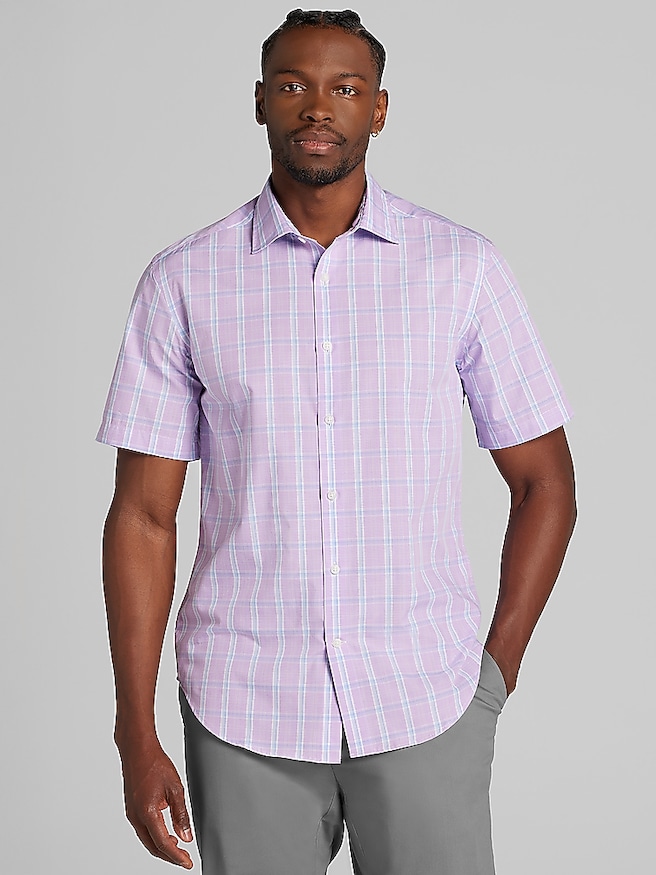
Festival outfits for men combine expressive style with comfortable clothing that can handle hours of walking, standing, sitting, and dancing. The look can be understated or bold: a printed shirt with straight-leg pants feels different from a textured knit top with relaxed denim, but both leave room for personality without making movement an afterthought. Music festivals often encourage more experimentation than everyday plans, while arts festivals, food events, and smaller neighborhood gatherings may call for a quieter approach. Color, pattern, texture, and proportion help establish that distinction. A large-scale print becomes the focal point when paired with solid pants, while a tonal combination gets its character from contrasting surfaces, such as a slub-knit top against smooth cotton twill. Vintage-inspired graphics, geometric patterns, and saturated colors can bring energy to an outfit without requiring every piece to compete for attention. For a more polished setting, an open-collar woven shirt and unstructured trousers offer an easy alternative to heavily embellished festival clothing. Fit matters just as much as the visual effect. A relaxed silhouette should provide room through the shoulders, seat, and thighs without leaving so much extra fabric that it catches underfoot or interferes with a bag strap. Pants that feel comfortable while standing may behave differently on a low bench or during a long walk between stages. A waistband that stays secure without digging in, sleeves that allow the arms to lift freely, and a hem that clears the shoes make a noticeable difference over a full event. An open shirt over a simple tee adds depth and gives a strong pattern some breathing room. One oversized element can also look more intentional when the rest of the outfit has a cleaner outline. The result is festival clothing that feels considered rather than costume-like, with enough individuality for the crowd and enough practicality for everything between sets, from finding a seat to meeting friends across a busy venue.
Fabric choice shapes how festival outfits look, feel, and hold up to repeated wear. Cotton jersey has a familiar softness and flexibility that suits casual tops, while woven cotton offers more structure for shirts and pants. Linen brings visible texture and an easy drape, with natural creasing that becomes part of its relaxed appearance rather than a flaw to eliminate. Cotton-linen blends can balance those qualities, although the exact feel depends on the weave, fabric weight, and blend. Viscose and similar fibers often give printed shirts a fluid movement, making them appealing when a softer silhouette is the goal. They may also need more careful laundering, so the care label matters more than assumptions based on appearance. Some synthetic blends dry relatively quickly after absorbing perspiration, and a modest amount of stretch can make fitted pants easier to move in. Neither feature guarantees comfort on its own: dense construction, rough seams, or an overly narrow cut can outweigh a promising fiber label. Fabric weight deserves attention, too. A substantial knit may resist looking stretched out, while a loosely constructed fabric can snag against rough seating or bag hardware. Durability often shows up in less visible details, including reinforced pocket openings, secure buttons, even stitching, and seams that lie flat against the skin. These are useful qualities for clothing that moves through crowded walkways and gets worn again beyond a single event. Care routines help preserve that usefulness. Washing according to the label, treating marks promptly, and closing zippers before laundering can reduce avoidable wear. Printed surfaces and decorative details may benefit from being turned inward when the instructions permit machine washing. Drying methods are equally important because excessive heat can affect fit, stretch fibers, and certain finishes. A little wrinkling may suit a relaxed woven shirt, but stretched collars, twisted seams, and damaged closures tend to make an outfit feel less deliberate. Well-kept festival pieces retain their character while remaining easy to combine with the rest of a casual wardrobe.
Practical finishing details help an outfit work once the music starts and the schedule becomes less predictable. Footwear needs to suit the venue surface as well as the clothing: supportive sneakers can complement relaxed pants, while broken-in casual boots can give straight-leg denim a more substantial finish. Familiar shoes are generally a more dependable choice than an untested pair for an event with long stretches on foot. Secure heel placement, adequate toe room, and socks that stay in position all contribute to comfort without changing the overall look. Pants hems should sit clear of the ground, and pocket placement should make essentials accessible without creating awkward bulk. A compact crossbody bag or belt bag can keep a phone and cards close, provided its dimensions and style meet the venue’s entry rules. Zip closures and adjustable straps are useful details in a crowd, though no accessory replaces keeping track of personal belongings. Jewelry, belts, and other accents work best when their scale feels balanced with the outfit. A substantial chain can stand on its own against a simple top, while a patterned shirt may need little more than a restrained watch or bracelet. Accessories with sharp edges or loose, dangling parts can be less practical when people are standing close together. The relaxed styling associated with Men's Weekend Outfits also translates naturally to festival plans, especially for anyone who prefers familiar staples with one distinctive detail. Versatility gives these clothes a purpose beyond the event itself: a printed shirt can accompany dinner plans, relaxed trousers can become part of a casual everyday rotation, and a textured top can bring interest to an otherwise simple combination. For someone who enjoys live music or arts events, an easy-fitting layer or understated accessory can also be a thoughtful gift when personal taste and sizing are known. The most useful festival wardrobe leaves room for self-expression while supporting the ordinary realities of the day—walking to the entrance, settling into a seat, moving through a crowd, and staying focused on the experience rather than adjusting the clothing.