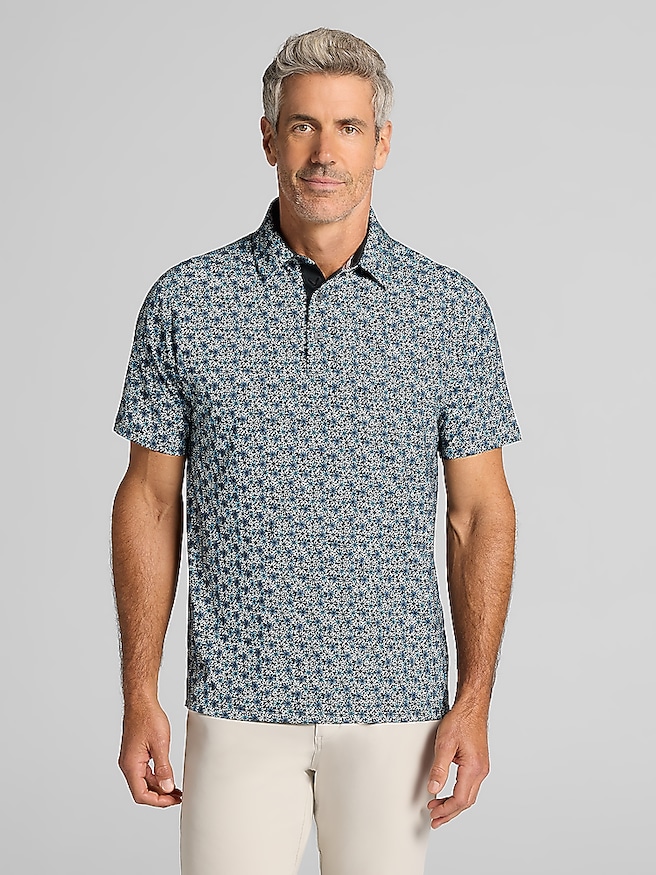
Men’s weekend outfits bring together comfortable clothing, practical layers, and a level of polish that feels right away from the workday. The strongest combinations have enough ease for a neighborhood coffee run and enough structure for lunch with friends, an afternoon gathering, or a casual dinner. T-shirts, casual button-down shirts, polos, jeans, and chinos form the foundation, while sweaters, overshirts, and softly constructed jackets add warmth and texture during the cooler months. A substantial cotton tee with straight-leg dark denim and clean sneakers creates a simple, relaxed look; a textured polo with chinos and suede footwear feels a little more dressed up without becoming formal. These combinations work because their proportions and finishes complement one another, not because every piece makes a statement. Dark indigo, charcoal, navy, olive, and tan are useful starting points, with cream or a muted color adding contrast near the face. Texture gives those familiar colors depth: the raised ribs of corduroy, the soft surface of brushed cotton, or the visible knit of a sweater can make an understated outfit feel complete. Intended use matters just as much as appearance. Clothing for a long walk followed by lunch benefits from freedom through the shoulders and legs, while an evening at a restaurant may call for a collared shirt and a cleaner trouser line. Weekend casual clothing also spans a wide range of personal preferences, from roomy, easygoing silhouettes to closer, more tailored shapes. Neither approach needs to feel stiff or overly coordinated. A relaxed top can look balanced with straight trousers, and a neater knit can sit comfortably above fuller denim. Repeating one color in a belt, shoes, or outer layer helps connect the outfit without making it look like a matching set. The result is clothing that suits the actual pace of a weekend: sitting comfortably in the car, stepping outside into a cool breeze, and arriving at the next stop looking put together.
Fabric and fit determine how men’s casual weekend outfits feel after several hours of wear. Cotton is a familiar choice for its breathability and comfortable feel against the skin, though its weight and weave make a noticeable difference. Lightweight jersey works well beneath other layers, while heavier jersey generally has more body and a less clingy drape. Oxford cloth and twill bring texture and structure to casual shirts and pants; brushed finishes add softness that feels especially comfortable in cooler weather. Wool knitwear can provide warmth without requiring a bulky layer, with finer knits fitting more smoothly beneath a jacket. Cotton blends and fabrics with a small amount of stretch may offer useful flexibility for driving, walking, or spending an afternoon on the sidelines, but the fabric composition alone does not guarantee comfort. Cut, construction, and sizing remain important. A shoulder seam should sit near the natural shoulder on a traditionally fitted shirt, while a deliberately relaxed cut may extend beyond it. Buttons should lie flat rather than pulling across the chest or waist, and sleeves need enough room to bend the elbows comfortably. Pants should allow sitting without the waistband digging in, with space through the seat and thighs that matches the intended silhouette. Hem length also changes the overall impression: excess fabric collecting above a shoe can make even a neat outfit look heavy. Layering works best when each piece has room for what sits beneath it. A shirt that fits comfortably on its own may feel restrictive over a substantial tee, and a close-fitting jacket can compress a thick sweater. Removable layers are particularly useful when a chilly morning gives way to a warm indoor setting. A breathable base, a midweight knit or overshirt, and weather-appropriate outerwear provide flexibility without relying on one heavy piece. Footwear deserves the same attention, especially for plans that involve standing or walking; a secure heel, sufficient toe room, and traction suited to the conditions matter beyond the first few steps.
Durability and care are part of choosing weekend clothing that earns regular wear. Even stitching, secure buttons, and neatly finished seams are useful details to examine, particularly around pockets and other areas that take repeated strain. A heavier fabric is not automatically better; lighter materials can be well suited to layering, while dense denim or sturdy twill may feel more substantial for frequent use. Following each garment’s care label helps preserve its shape, color, and surface texture. Where the label allows, washing darker clothing inside out and using lower heat can help limit fading and unnecessary wear. Knitwear often benefits from drying flat as directed rather than hanging while wet, which can stretch the shoulders and body. Giving shoes time to dry naturally between wears and using care methods appropriate to leather, suede, or canvas can also help maintain their appearance. These habits support a weekend wardrobe built around repeat use rather than complicated upkeep. Versatility becomes especially valuable when plans stretch beyond one day. Jeans or chinos in a familiar neutral can work with a tee for daytime and a collared shirt for dinner, while a simple sweater provides another combination without taking up much space in a bag. For travel-focused combinations, Men’s Weekend Getaway Looks connects the same relaxed approach with clothing suited to time away. The most useful pieces for a short trip coordinate easily, feel comfortable during the journey, and suit the activities waiting at the destination. That practicality also makes casual clothing a thoughtful gift for someone who enjoys relaxed dinners, visiting friends, or getting out of town. Familiar colors, preferred fabrics, and an established fit are better clues than an unfamiliar trend, especially when choosing something intended for frequent wear. Whether the occasion is a quiet afternoon close to home or a full schedule of social plans, well-considered weekend outfits offer comfort, character, and enough polish to move naturally between settings.