Men’s weekend getaway looks bring together comfortable travel clothing, versatile casual layers, and polished pieces that feel appropriate beyond the hotel lobby. The strongest combinations share a focused color palette, an easy fit, and enough structure to move from a few hours in the car to lunch downtown without looking like an afterthought. Navy, gray, white, beige, and olive work well together because they create contrast without requiring a separate outfit for every stop. A white cotton T-shirt, navy chinos, and clean leather sneakers establish a casual foundation; a collared shirt or an unstructured blazer gives that same foundation a more finished look for dinner. These are clothes for a short trip with a full itinerary, whether that means visiting friends, exploring a city, or heading out of town for an anniversary weekend. Their appeal lies in how naturally they work together rather than how many pieces fit into a bag. Solid colors simplify coordination, while subtle stripes, small-scale patterns, and textured knits add interest without competing for attention. A polo can feel relaxed enough for a late breakfast yet look neat beneath a casual jacket at a restaurant. Straight-leg or gently tapered pants offer a clean outline with sneakers and loafers alike, making footwear changes more useful than a complete change of clothes. The setting still matters: a neighborhood coffee shop leaves room for a more laid-back outfit, while a dinner reservation may call for a collar, tailored trousers, or a jacket. Clothing that covers those overlapping needs helps keep a compact wardrobe useful throughout the trip. For closely coordinated clothing and finishing touches, Weekend Getaway Essentials provides a related starting point. The overall effect is considered but not overly formal: clothes that look at home beside a café table, across a museum gallery, or in a photograph taken before dinner.
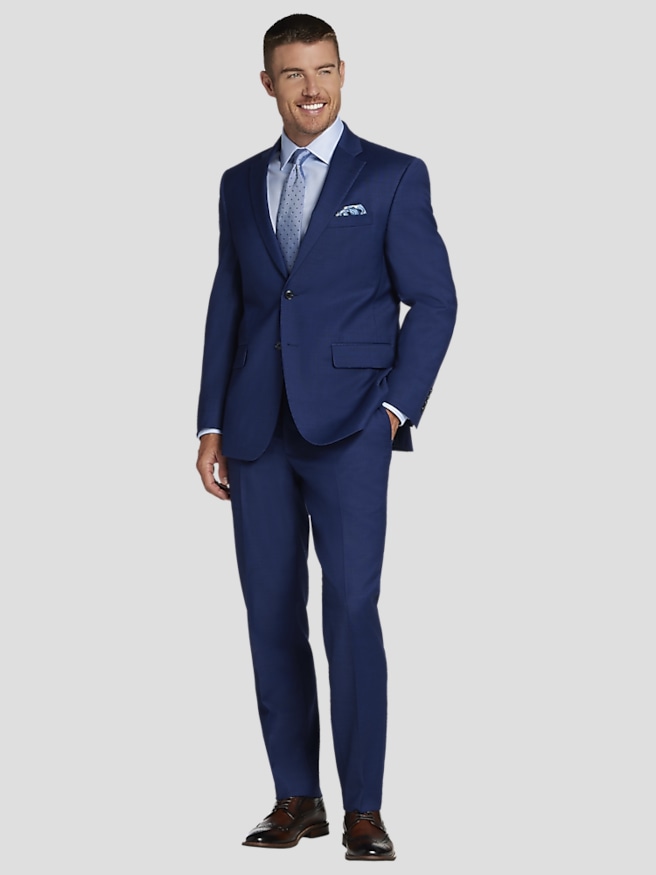
Fabric and fit make a noticeable difference when an outfit has to stay comfortable through travel, walking, and time spent sitting. Cotton offers a familiar, soft feel in T-shirts, polos, and casual pants, although its texture and wrinkle behavior vary with the weave and finishing. Cotton twill has a defined diagonal structure that gives chinos substance, while cotton jersey offers the natural flexibility associated with an everyday tee. Blends with a small amount of elastane can add give at the waist, seat, and knees, especially useful during a long drive or a seated meal. Stretch alone does not guarantee comfort, however; pants still need enough room through the hips and thighs to avoid pulling across the lap. Linen has an airy feel and a visible texture, with creasing that is part of its relaxed character rather than a flaw to disguise. Fine-gauge merino wool can provide a smooth layer without much bulk, and some synthetic blends are designed for quicker drying or improved wrinkle resistance. Those benefits depend on the actual fabric, so care labels and material descriptions matter more than broad assumptions about a fiber. For weekend travel outfits, a good shoulder fit helps shirts and jackets look intentional even when the rest of the outfit is casual. Shoulder seams should generally sit near the shoulder edge on traditionally cut shirts, and button fronts should lie comfortably without gaps or strain. A trim silhouette should leave room to reach for a bag, bend to tie a shoe, and sit without the waistband digging in. Relaxed cuts offer another option, particularly when balanced with a tidy hem and a well-proportioned top. Shirt length also affects versatility: a hem designed to sit neatly untucked creates a casual finish, while a longer shirt can tuck smoothly into trousers. Lightweight, unstructured tailoring adds definition without the stiffness associated with more formal dressing, giving everyday separates a useful place at a nicer dinner.
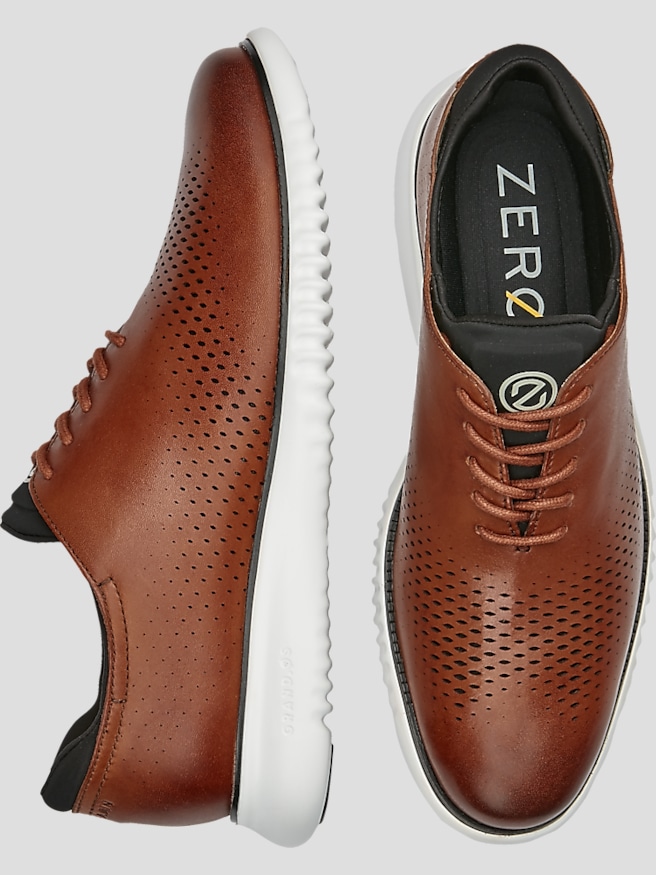
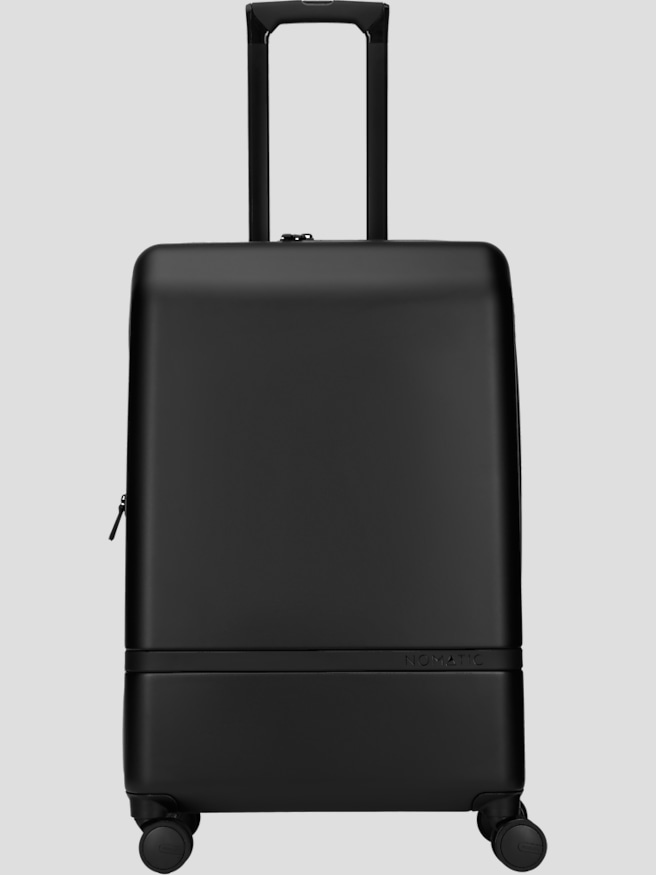
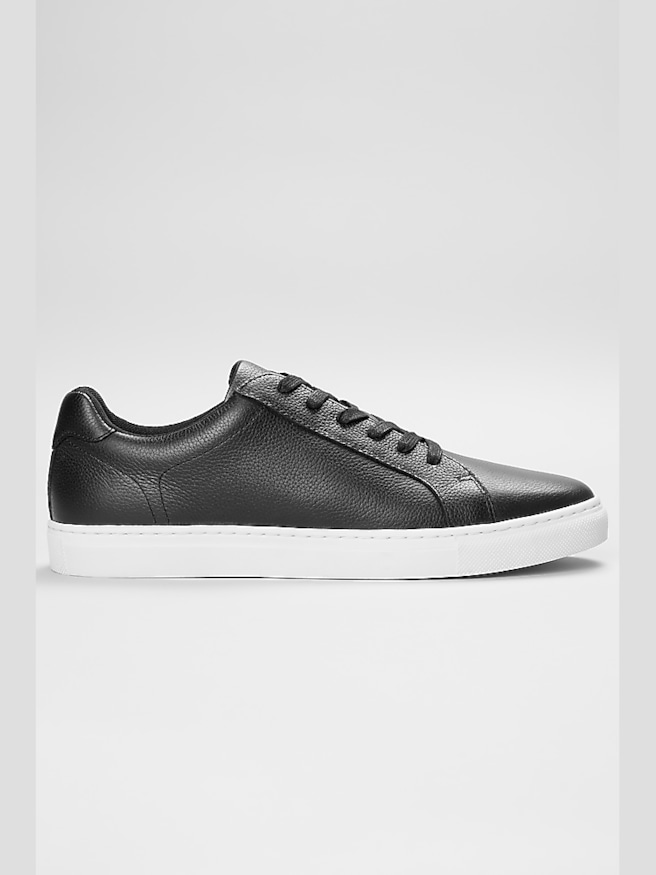
Details that seem small at home become more important when the same clothes are worn several times over a short trip. Smooth interior seams, secure buttons, and neatly finished hems contribute to comfort and durability, while reinforced stress points can help clothing stand up to repeated use. Substantial fabric is not automatically longer lasting, and a soft hand does not mean a garment is fragile; construction, fiber quality, fit, and care all influence how well it wears. Footwear deserves the same attention. A clean, understated sneaker complements casual pants and simple knits, while a loafer brings a sharper finish to chinos or tailored trousers. Cushioning, a secure heel, and adequate space through the toe area matter when an afternoon includes several blocks of walking. Familiar shoes are often a more comfortable travel companion than an unworn pair, especially for a trip built around exploring on foot. Accessories work best when they support the outfit without adding unnecessary bulk: a belt that relates to the shoes, comfortable socks, and a compact bag help the whole look feel complete. Packing also affects appearance. Overfilled bags can press deep folds into shirts and trousers, while placing structured pieces carefully and unpacking soon after arrival can help preserve their shape. Wrinkle-resistant fabrics may reduce maintenance, but they are not necessarily wrinkle-free. Steaming or ironing should follow the garment’s instructions, particularly with blends, textured surfaces, and tailored layers. Washing according to the care label, avoiding excessive heat when it is not recommended, and addressing small repairs promptly can extend the useful life of frequently worn travel clothing. These qualities also make versatile getaway clothing a thoughtful gift for someone who enjoys road trips, visits to friends, or occasional city breaks. Familiar sizing, preferred colors, and an established fit are more reliable choices than guessing at an entirely new style. A useful weekend wardrobe ultimately feels personal: easy to combine, comfortable in motion, and polished enough that the clothes never distract from the trip itself.