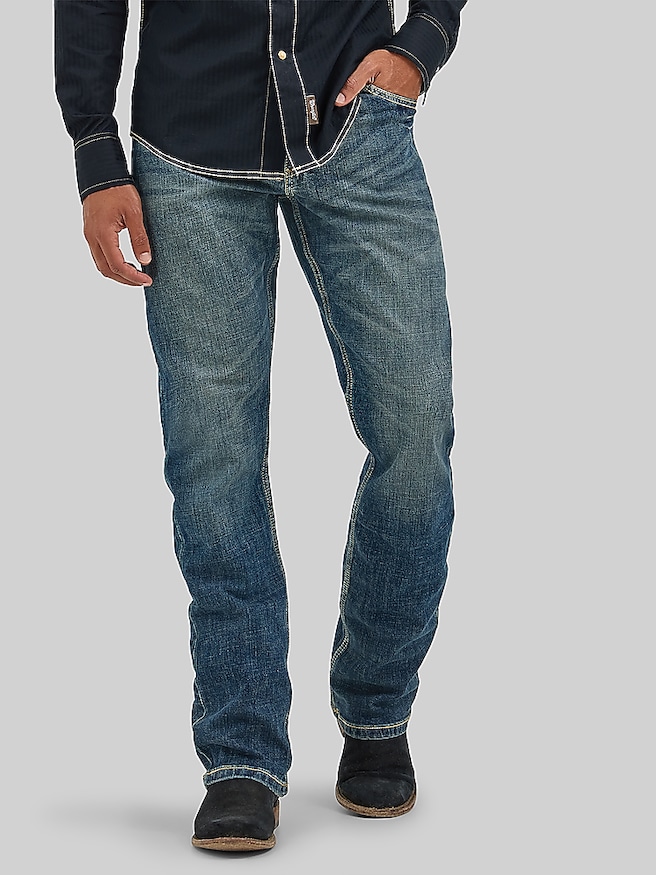
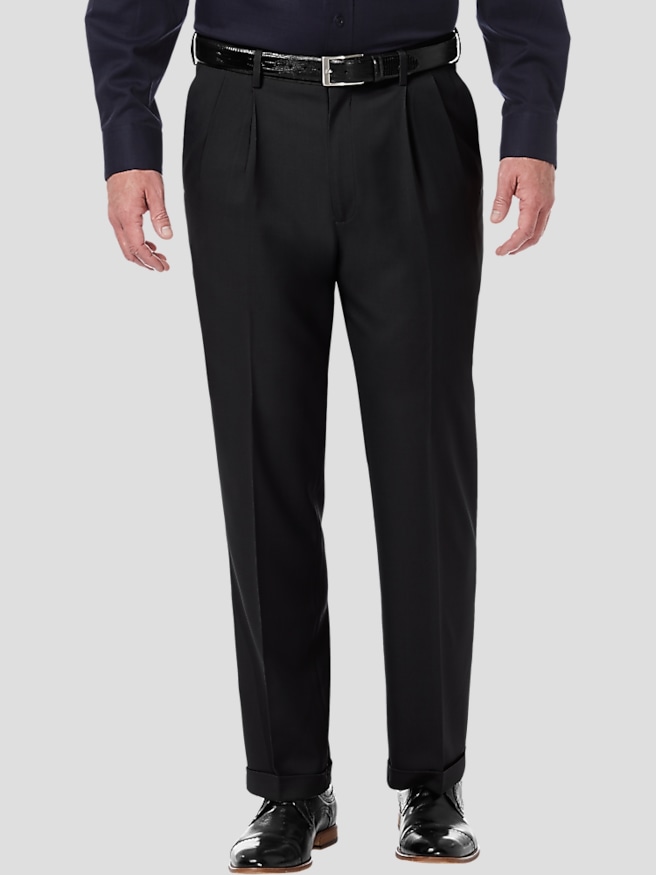
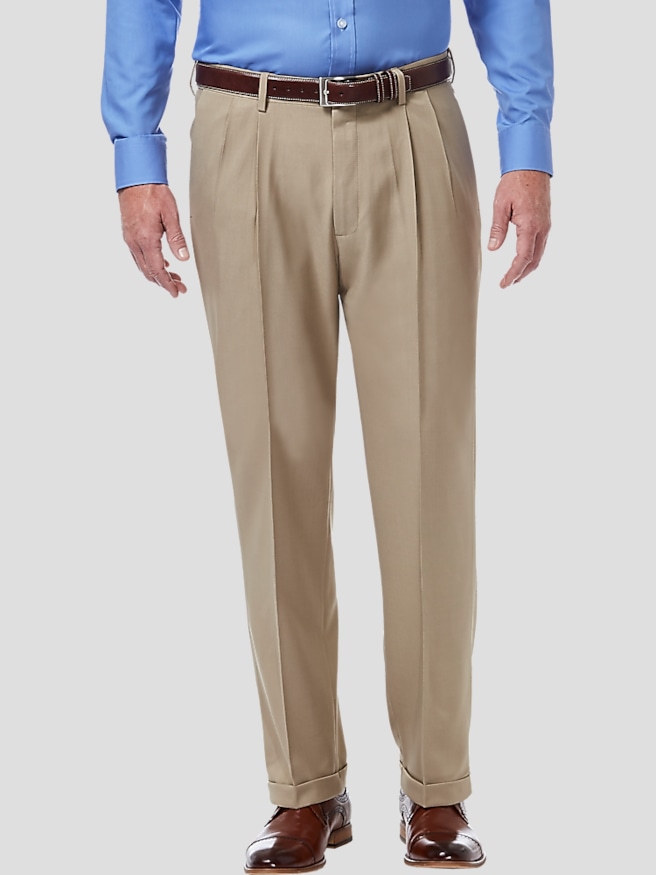
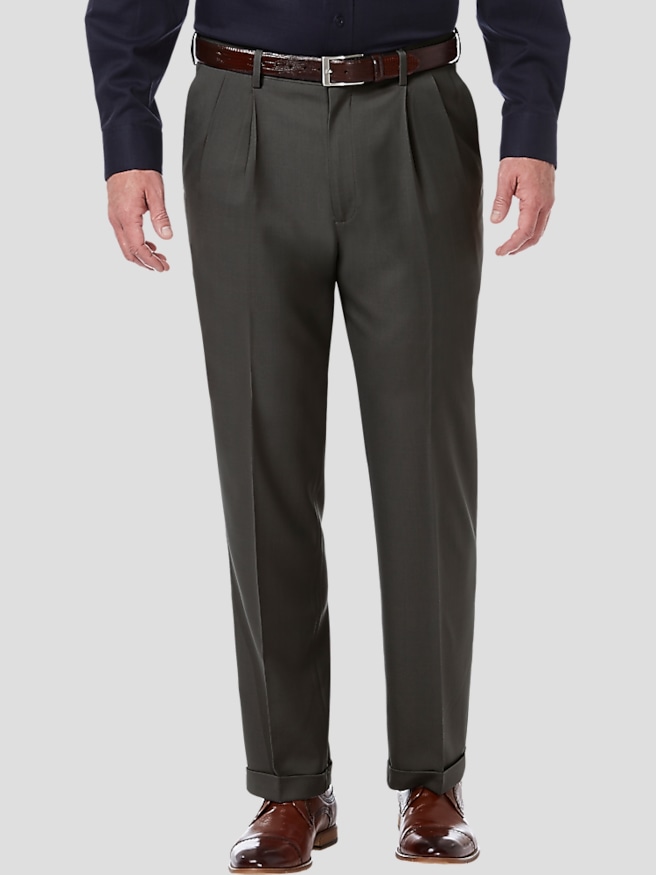
Casual weekend looks for him bring together comfortable layers, easy-moving pants, and understated footwear for the hours spent away from a more structured schedule. The foundation is simple: clothes that feel relaxed without looking careless, with enough versatility for a coffee stop, lunch with friends, or an afternoon that turns into dinner out. Men’s casual weekend clothing often centers on T-shirts, polos, Henleys, casual button-down shirts, jeans, and chinos, with sweaters and lightweight jackets adding warmth and texture during the cooler months. Each category brings something useful to an outfit. A crew-neck tee creates a clean base beneath an open overshirt, while a knit polo offers a defined collar without the formality of a dress shirt. Dark denim has a tidy appearance that works comfortably in a neighborhood restaurant; chinos offer a softer alternative to dress pants while still looking composed. An olive overshirt, an off-white tee, and straight-leg jeans create a grounded combination for daytime plans, especially with simple leather sneakers. A textured sweater over a collared shirt feels a little more polished for a family gathering, yet remains comfortable enough for a long conversation around the table. Color helps these pieces work together rather than compete. Navy, charcoal, tan, olive, and cream provide a flexible starting point, while muted burgundy or a subtle check can add interest without dominating the outfit. Texture matters just as much: the raised ribs of corduroy, the soft surface of brushed cotton, and the visible stitches of a knit add depth to otherwise straightforward combinations. For anyone who prefers a smaller wardrobe, repeating a few complementary colors makes it easier to wear the same pants with several tops. The result is a casual wardrobe with a consistent feel, whether the day calls for errands, a relaxed gathering, or a quiet evening close to home.
Material and fit determine how those weekend clothes feel after several hours of real wear. Cotton jersey is often soft and breathable, making it a comfortable base for indoor plans or layered outfits. Cotton twill has a more substantial structure, useful in chinos and overshirts that need to hold their shape through sitting, walking, and repeated wear. Denim provides a sturdy option for everyday use, though its weight and finish influence whether it feels crisp or broken in. A small amount of stretch can make jeans or chinos more comfortable when climbing stairs, driving, or settling into a booth, but fabric should still recover rather than remain stretched at the knees. Brushed flannel adds a cozy surface for cool mornings, while wool and wool-blend knits can provide warmth without requiring a bulky outer layer. Fiber content alone does not tell the whole story; fabric weight, weave, and construction also affect comfort and durability. Fit should leave room for ordinary movement without excess fabric gathering in awkward places. Shoulder seams generally sit close to the shoulder edge in a conventional fit, and a casual shirt should button without pulling across the chest or stomach. Pants need enough room through the seat and thighs to sit comfortably, with a waistband that stays secure without depending on a tightly cinched belt. Straight-leg shapes offer a balanced line, while tapered cuts narrow toward the ankle for a cleaner outline above sneakers or boots. Neither needs to feel restrictive. When layers are involved, an overshirt or jacket should accommodate the top underneath without binding at the upper arms. Length makes a noticeable difference, too: an untucked shirt that overwhelms the seat can make an otherwise well-fitting outfit look oversized, and excess pant fabric can bunch over shoes. These small proportions help relaxed clothing look intentional while preserving the comfort that makes it worth wearing.
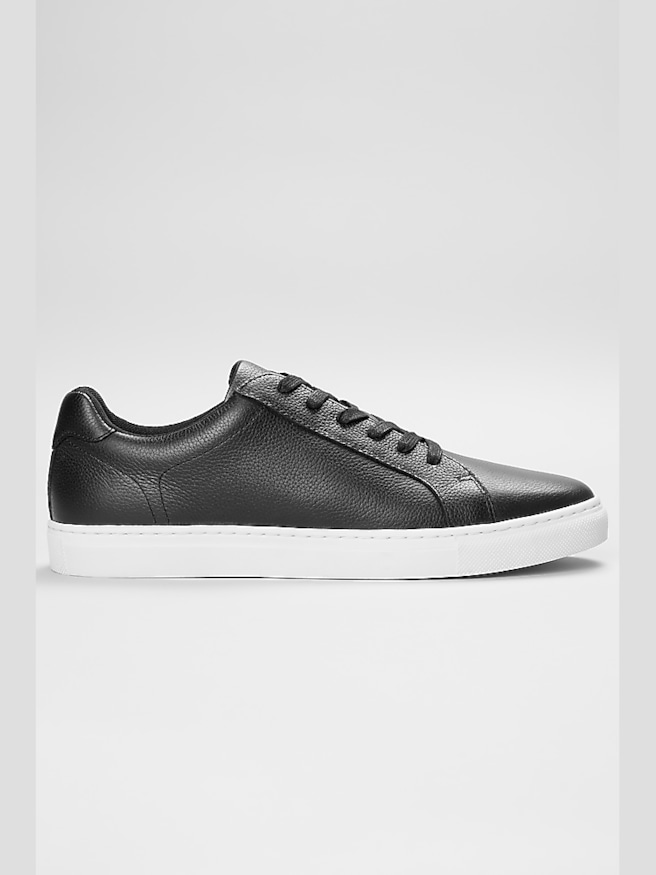
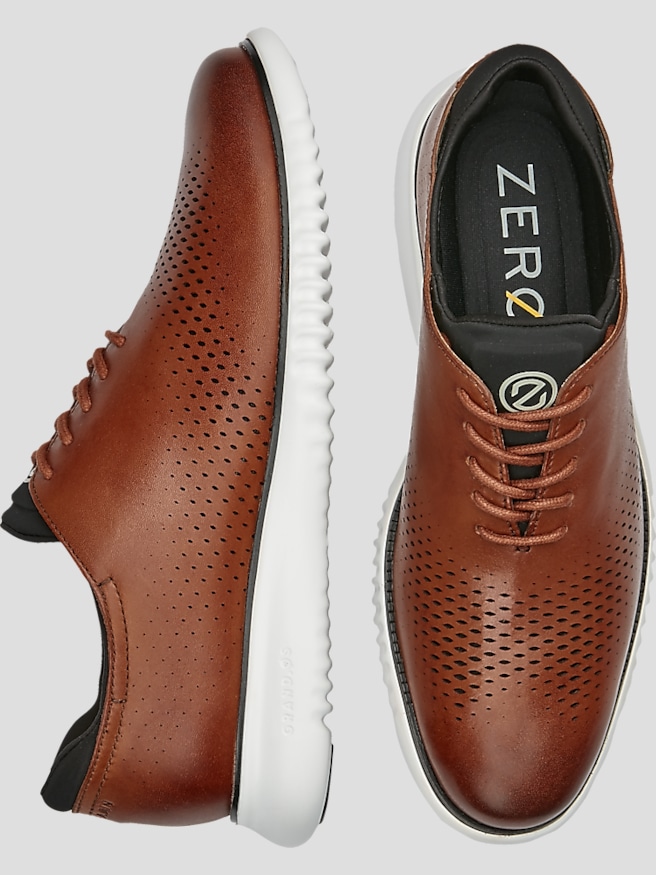
Practical details become especially valuable when weekend plans include time outdoors, a drive to visit friends, or an overnight stay. A removable layer allows an outfit to adjust between a chilly sidewalk and a warm café, while a jacket with secure pockets keeps small essentials close at hand. Sneakers with a supportive feel suit walking-heavy days, and leather boots can add a sturdier finish to denim or corduroy; traction and weather resistance depend on the sole and construction, not just the overall style. Loafers bring a slightly dressier note to chinos and knitwear for dinner or a casual celebration. For a short trip, clothing that shares a color palette helps reduce unnecessary packing, and a sweater that works with both jeans and chinos earns its place in a bag. The combinations featured in Men’s Weekend Getaway Looks extend that same relaxed approach to time away from home. Everyday care helps preserve both appearance and useful life once the weekend is over. Care labels are the best starting point because similar-looking fabrics may need very different treatment. Washing only when needed, treating marks promptly according to the fabric instructions, and avoiding excessive dryer heat can help limit fading, shrinkage, and wear. Knitwear often benefits from being reshaped and dried flat when the label directs, then folded rather than left on a hanger that can stretch the shoulders. Denim and dark cotton pieces may retain their color better when washed inside out with similar shades. Strong seams, neatly finished hems, and securely attached buttons are useful construction details to consider in clothing intended for frequent wear. These qualities also matter when choosing casual clothing as a gift for a partner, father, brother, or friend. Familiar colors, preferred necklines, usual sizes, and everyday routines offer better clues than a passing trend. A gift suited to morning walks, relaxed meals, or weekends spent visiting family is more likely to become part of a regular rotation: comfortable, personal, and easy to reach for.