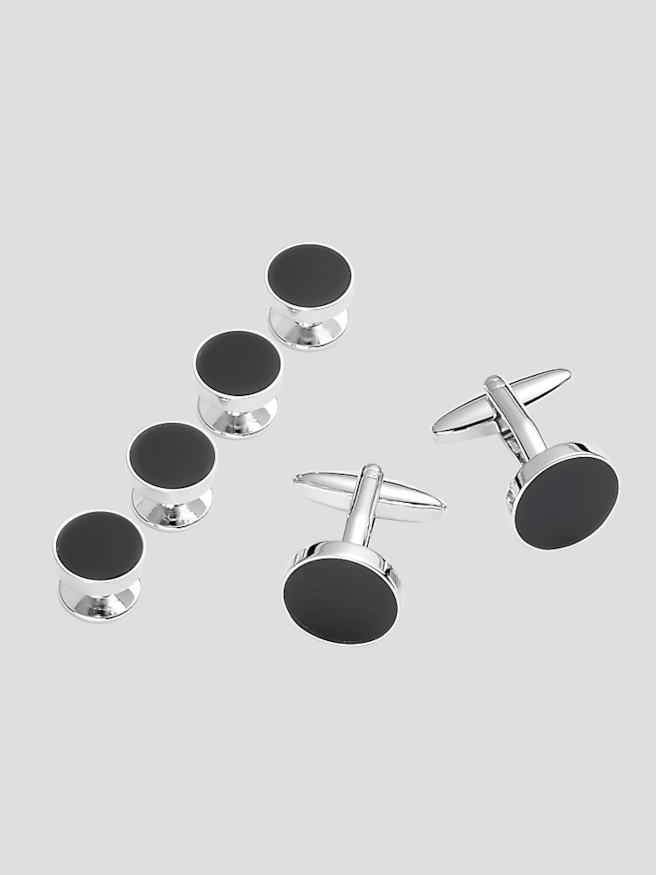
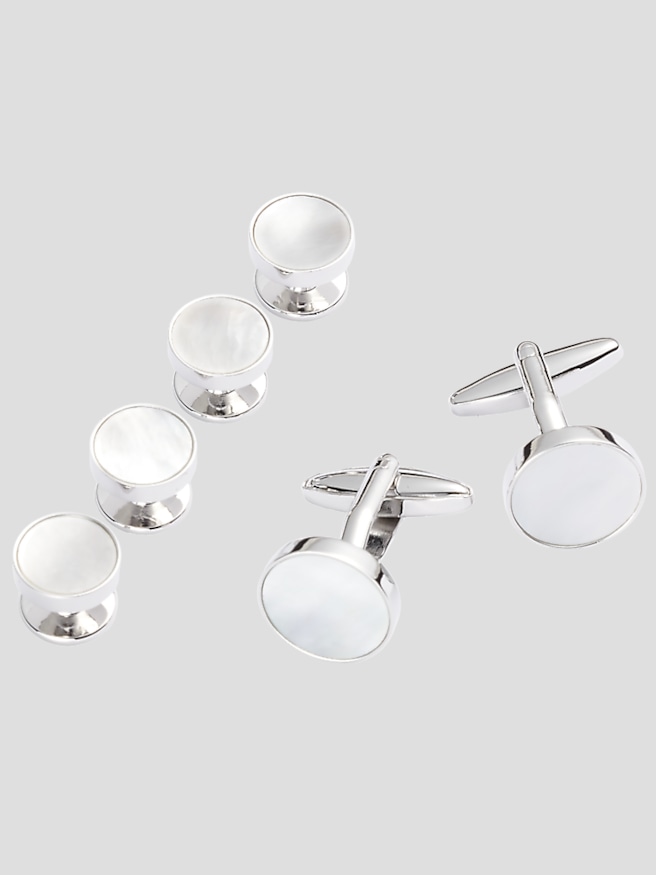
Fashionable men's jewelry adds texture, contrast, and personal meaning to an outfit through necklaces, chains, bracelets, rings, and polished finishing touches such as cufflinks. A slim chain at the neckline of a plain T-shirt creates a different impression from a substantial bracelet beside a tailored shirt cuff, but both bring intention to everyday dressing. The most versatile choices feel connected to the wearer's style rather than separate from it. Clean lines and understated finishes suit someone who favors uncomplicated clothing, while sculpted shapes, textured links, and contrasting surfaces offer more visual presence. Materials help define that character. Stainless steel is valued for its strength, resistance to corrosion, and practical everyday wear. Sterling silver has a distinctive luster and can develop a darker patina over time, especially in recessed details; polishing restores brightness when that is the preferred look. Gold brings a warmer tone, with its alloy composition influencing color, hardness, and care requirements. Gold-plated jewelry offers a gold-colored surface over a base metal, so its appearance and longevity depend in part on the plating and how the piece is worn. Leather introduces a softer, more relaxed texture, while stone accents can contribute subtle color or a more noticeable focal point. For anyone with metal sensitivities, the full material composition matters more than a finish description alone, since components such as clasps and posts may use other alloys. Finish also affects the overall impression: brushed metal feels subdued, highly polished surfaces catch the light, and oxidized details emphasize pattern and depth. These distinctions make men's jewelry adaptable to office attire, casual weekends, dinners, and formal celebrations without requiring an elaborate collection. A familiar accessory can become a signature through repetition, whether it is a discreet ring worn daily or a necklace that sits just inside an open collar. Jewelry works best as part of the complete outfit, adding a point of interest without obscuring the clothing or the person wearing it. Even a small detail can give a simple combination of a shirt and trousers a more individual finish.
Fit and proportion determine whether jewelry feels natural throughout the day. Necklace length affects where a chain rests, but the result also depends on neck size, shoulder width, clothing, and the weight of any pendant. A shorter chain may sit close to the base of the neck, while a longer one can extend below an open shirt collar or lie over a knit top. Link thickness changes the visual balance: a fine chain brings a quiet accent, whereas a broader profile has enough presence to stand against heavier fabric or a more substantial frame. Bracelets need room to move comfortably without slipping too far down the hand or repeatedly catching on a cuff. A rigid design and a flexible chain can feel quite different at the same stated measurement, making interior dimensions and construction important considerations. Rings should pass over the knuckle with some resistance and sit securely without pinching; wider bands can feel tighter than narrow ones, even in the same size. Smooth inner surfaces and neatly finished edges contribute to comfort, especially for accessories worn through a full workday. For coordinated looks, Men's Jewelry Sets bring together complementary details that can create continuity across an outfit. Coordination does not have to mean that every surface is identical. Repeating one metal tone, link shape, or finish can establish a connection, while a restrained mix of silver and gold tones can look deliberate when the balance carries through the outfit. With tailoring, a bracelet that stays clear of the shirt cuff and a ring with a low profile often feel more comfortable than bulky accessories. Cufflinks belong with shirts designed to accommodate them, adding a small but visible detail at the wrist. Casual clothing leaves more room for layered chains, leather textures, and expressive shapes. A neckline with one clear focal point can feel relaxed and confident, while too many competing details may make an otherwise simple outfit feel crowded. The right balance reflects both personal taste and the setting, from a client meeting to an anniversary dinner.
Durability comes from the combination of material, construction, and everyday habits, not simply from how substantial a piece looks. Secure closures, well-finished connections, and smooth edges matter for jewelry that will be handled frequently. Fine links and raised details may need more protection from snagging, while polished surfaces can show the small marks that come with regular wear. Plated finishes require particular care because repeated friction and exposure to chemicals can gradually wear away the outer layer. Gentle cleaning with a soft cloth helps remove fingerprints and residue, but any deeper cleaning should follow the care instructions for the exact combination of metal, stones, leather, and finish. A method suitable for an unadorned metal chain may not suit a piece with glued settings or porous accents. Separate storage helps reduce scratches and tangles; a soft-lined compartment or individual pouch also keeps delicate details from rubbing against harder surfaces. Removing jewelry before swimming, strength training, or work involving tools helps limit exposure to chemicals, impact, and catching hazards. Leather generally benefits from being kept away from prolonged moisture, and sterling silver may need occasional polishing with a suitable cloth. These practical details are especially useful when choosing men's jewelry as a gift. The strongest choice usually reflects habits already visible in the recipient's wardrobe: a preference for silver tones, an uncluttered style, or a fondness for textured accessories. Necklaces and adjustable bracelets can offer more sizing flexibility than fitted rings, although dimensions and closure styles still deserve attention. Graduation, an anniversary, a wedding, or a professional milestone can give an accessory lasting significance without requiring an elaborate design. For someone who rarely wears jewelry, a comfortable, understated piece may become an easy first addition; an experienced wearer may appreciate a distinctive texture or a complementary shape. Jewelry chosen with that level of attention offers more than decoration. It becomes a familiar detail that feels personal, wears comfortably, and belongs naturally with the clothes and occasions that make up daily life.