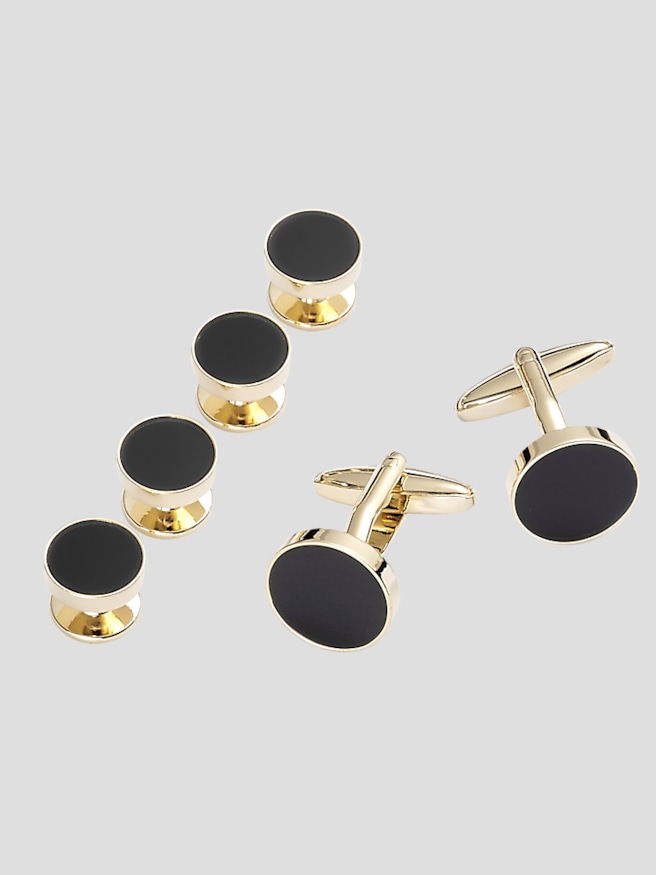
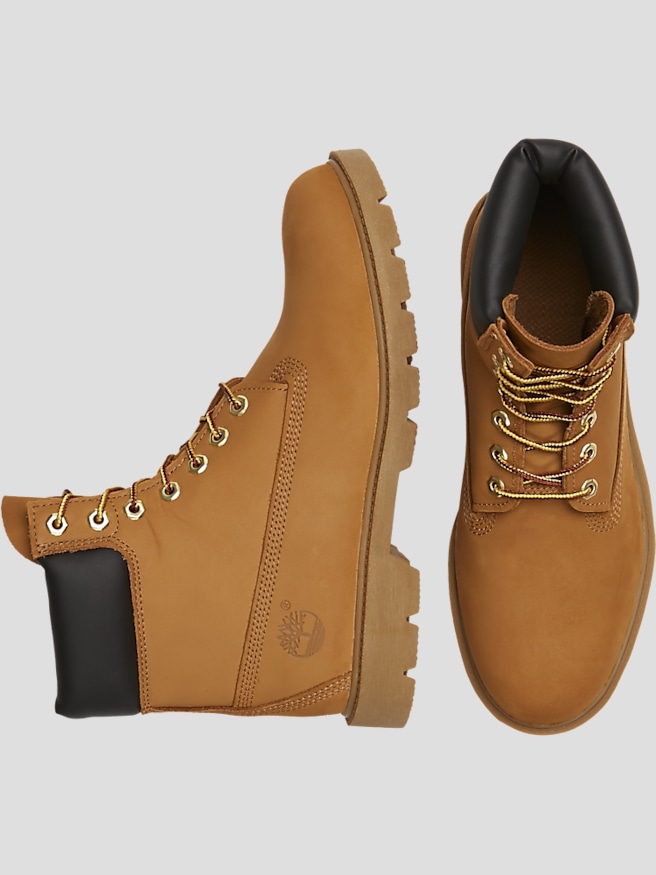
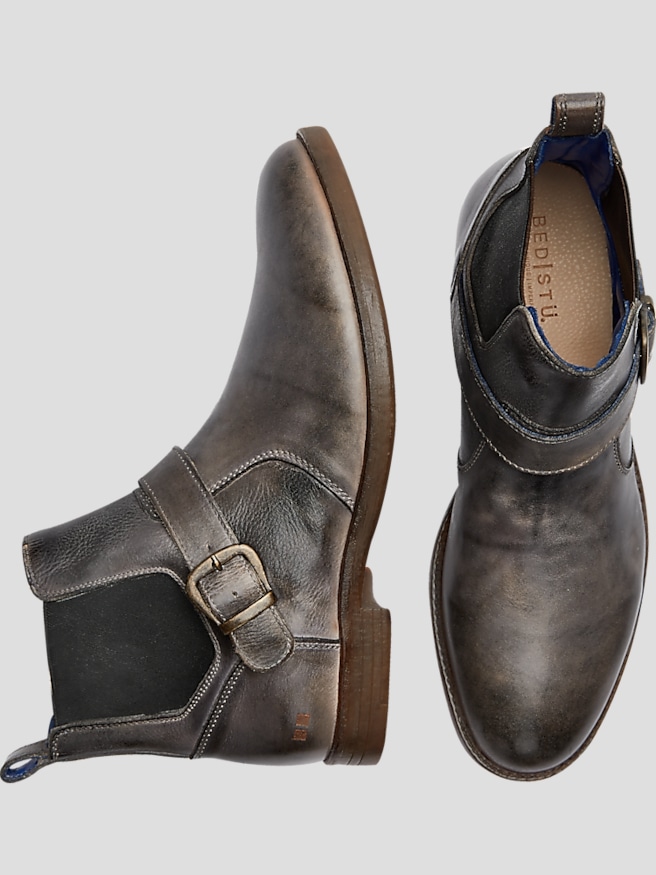
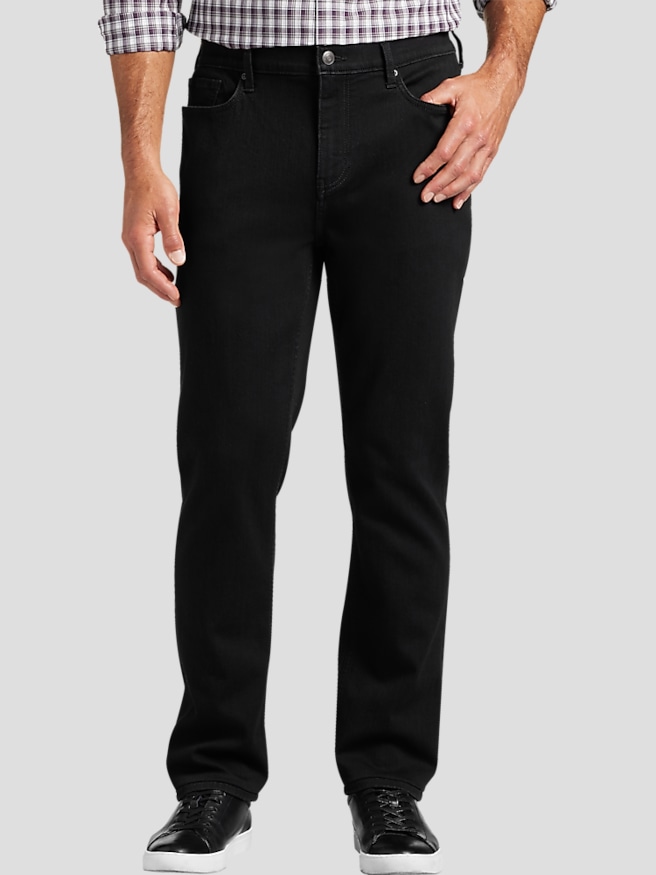
Fashion pieces are the building blocks of a wardrobe: clothing and accessories that bring together fit, function, and personal style. The most enduring choices have balanced proportions, useful details, and enough versatility to work with more than one outfit. In a men’s wardrobe, that often means a mix of tailored clothing, relaxed separates, and finishing touches that look connected without feeling overly coordinated. A consistent color palette helps these categories work together. Navy, charcoal, brown, cream, and other adaptable shades create a foundation, while a textured surface or restrained pattern adds interest without dominating the look. The effect can be as subtle as the contrast between a smooth woven fabric and a softly textured knit. Versatility does not have to mean plainness; it means a piece retains its character in several settings. Clothing worn for a client presentation might also suit a celebratory dinner with a change in styling, while a polished casual outfit can feel appropriate for both a creative workplace and an afternoon gathering. The broader world of Men's Fashion encompasses these connections between everyday practicality and individual expression. Timeless style is less about following a rigid list of essentials than choosing proportions, colors, and fabrics that continue to feel useful as routines change. Someone who spends most days in an office may put greater emphasis on tailoring; someone with a more relaxed schedule may prefer softer construction and easy movement. Both approaches benefit from clothing that feels intentional rather than assembled for a single occasion. Repeated colors, compatible textures, and a similar level of formality make a wardrobe easier to combine. Accessories can reinforce that consistency through scale and finish, adding a focal point without competing with every other detail. For people establishing a professional wardrobe, refining an existing one, or dressing for more social occasions, well-considered fashion pieces provide a dependable foundation with room for personality. Their value in daily life comes from how naturally they fit the wearer’s activities, preferences, and existing clothing.
Materials and construction shape the way fashion pieces look, feel, and hold up to use. Wool is valued in tailoring for its drape, resilience, and ability to recover from minor creasing, though the weight and weave affect how structured or fluid the finished garment appears. Cotton can have a crisp, smooth surface or a softer, more casual hand, making fabric finish just as important as fiber content. Linen has a distinctive texture and a naturally relaxed appearance; its tendency to crease is part of that character rather than a sign of poor construction. Blended fabrics may combine qualities such as softness, shape retention, stretch, or easier care, but the label provides a more reliable picture than appearance alone. A small amount of stretch can support movement, although it cannot compensate for a cut that is too tight. Fit determines whether those material qualities translate into comfort. Across tailored and casual clothing, shoulder placement, sleeve length, torso room, and the way fabric falls through the leg all influence the silhouette. Close-fitting clothing should still allow natural movement, and a relaxed shape should look deliberate rather than oversized by accident. Seated comfort matters as much as a standing view in the mirror: fabric that pulls across the back during a meeting or binds at the waist on a drive can make an otherwise polished outfit distracting to wear. Smooth closures, even seams, secure stitching, and fabric that hangs without twisting are useful construction details to notice. Linings and internal structure also affect how a garment slides over other clothing and maintains its shape. Alterations can refine certain proportions, particularly length, but substantial changes to shoulders or overall balance may be more involved. The strongest foundation is a cut that already suits the wearer’s build and preferred silhouette. That balance of fabric, construction, and fit gives everyday clothing a finished appearance without demanding constant adjustment, whether the setting calls for a sharp outline or a softer, more easygoing look.
Care and intended use are equally important to a wardrobe that stays useful over time. Frequent wear places different demands on clothing than occasional dressing, especially at elbows, knees, cuffs, and other points of movement or friction. A fabric’s durability depends on its yarns, weave or knit, finishing, and construction—not simply whether it feels thick or carries a particular fiber name. Fine fabrics can provide a refined drape while requiring more careful handling, and softer surfaces may show abrasion sooner in areas that rub against a bag or desk. Following the care label helps protect color, texture, and shape. Washable garments may benefit from gentle handling and careful drying, while structured clothing can require professional cleaning to preserve its construction. Excessive heat can affect fibers and stretch components, and aggressive stain treatment can leave a mark more noticeable than the original spot. Prompt attention using an appropriate method is preferable to repeated scrubbing. Storage makes a difference, too: supportive hangers help tailored garments keep their shape, while folding heavier knits can prevent stretching at the shoulders. Giving clothing space rather than packing it tightly helps limit unnecessary wrinkling. These habits support the qualities that make a piece appealing in the first place. Intended use also helps define what belongs in a lasting wardrobe. Clothing for frequent presentations may need a consistent, polished appearance; pieces for travel may benefit from resilience and compatibility with several outfits; clothing for milestone dinners or ceremonies may call for more deliberate texture and finish. Gifts are most personal when they reflect the recipient’s habits rather than an imagined version of their style. Familiar colors, preferred fabrics, and known sizing offer a useful starting point, particularly for a graduation, birthday, or professional milestone. Someone who enjoys subtle details may appreciate understated texture more than a bold pattern, while a more expressive dresser may welcome a distinctive accent. Across these uses, enduring fashion pieces share a practical strength: they feel good to wear, work comfortably with other clothing, and express a recognizable sense of style without depending on a passing trend.