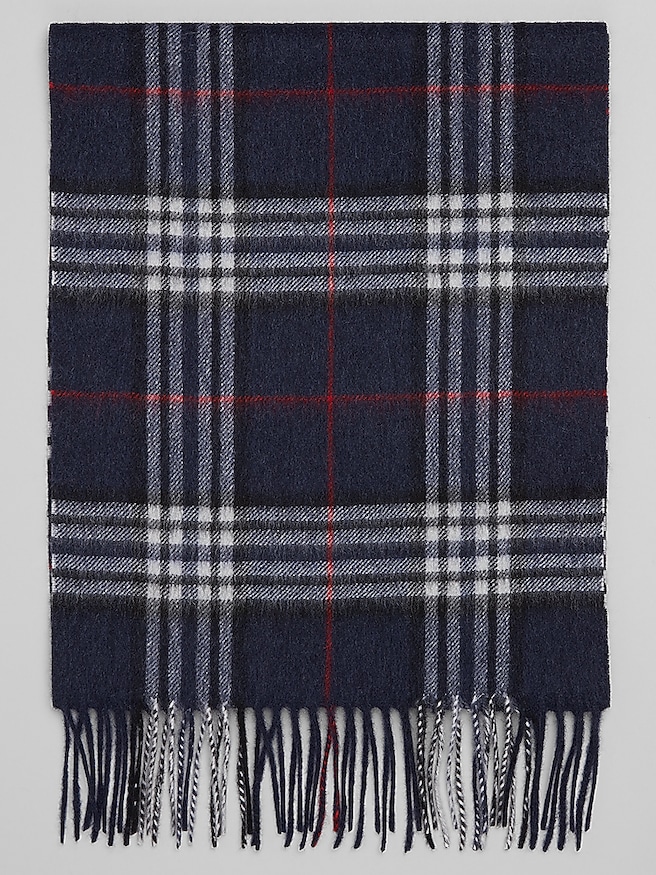
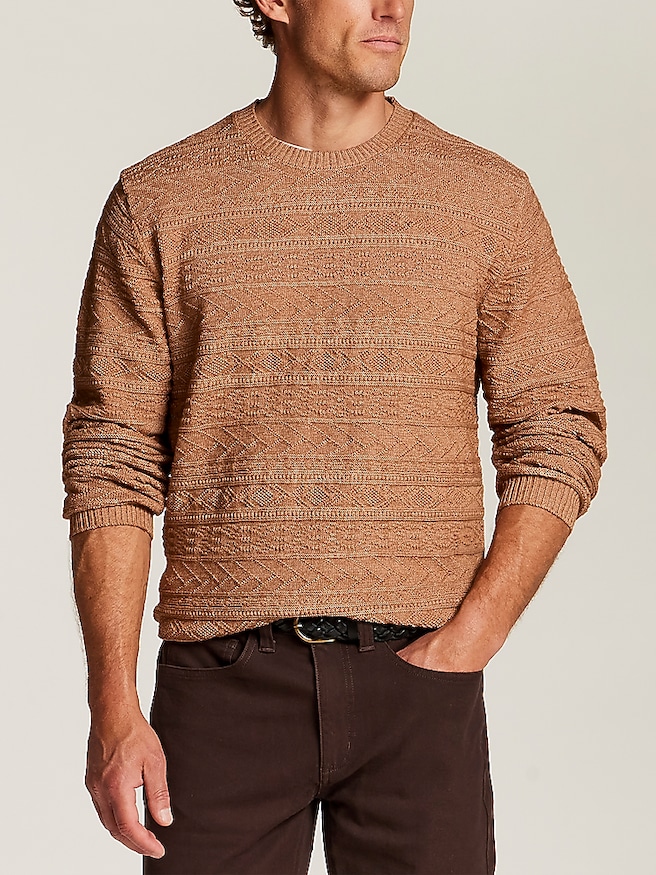
A fall wardrobe refresh brings new purpose to an existing closet through versatile layers, richer colors, and clothing suited to the way the season is spent. Rather than replacing everything, a well-rounded assortment connects familiar shirts, trousers, and shoes with textures and silhouettes that feel appropriate for fall. Navy, charcoal, olive, camel, and burgundy create a useful foundation because they work across casual and more polished outfits. A subtle check or textured weave adds interest without making every piece compete for attention. The most useful combinations often come from contrast: a softly textured sweater with smooth cotton trousers, a patterned shirt beneath a solid jacket, or dark denim paired with a refined outer layer. These clothes serve a range of routines, from commuting and client meetings to family dinners, weekend outings, and fall weddings. Dress codes matter as much as color. An office that favors tailored clothing calls for a different balance than a workplace where knitwear and clean, dark denim are standard. For someone who moves between both settings, separates offer flexibility without requiring an entirely different outfit for each destination. A blazer can bring structure to an open-collar shirt, while a lightweight knit beneath it adds warmth without the bulk of a heavy sweatshirt. Trousers with a clean line can work with lace-up shoes for a meeting or understated boots for dinner. The same focus on versatility makes Autumn Wardrobe Essentials a natural companion to a fall wardrobe refresh. A practical seasonal assortment has enough variety to accommodate changing plans while retaining a consistent look. Repeating a few complementary shades across shirts, knits, pants, and outerwear helps individual pieces feel connected, whether the occasion calls for a full tailored outfit or a relaxed layer over a favorite shirt. The result is a wardrobe that feels considered without appearing overly matched, with enough range for an ordinary workday and enough polish for an invitation that deserves extra attention.
Fabric plays a central role in how fall clothing looks, feels, and performs through repeated wear. Wool is valued for its warmth and breathability, and its character varies considerably by weight and construction. A fine wool fabric can feel smooth and appropriate for tailored clothing, while a brushed finish introduces a softer surface and more visible texture. Merino wool knitwear can provide warmth in a relatively light layer, which is useful when an outfit needs to fit comfortably beneath a jacket. Cotton offers a familiar feel in shirts and trousers, with twill, corduroy, and brushed fabrics bringing distinct textures to seasonal dressing. The raised ribs of corduroy lend depth to solid colors, while a cotton twill can provide a more understated surface for everyday wear. Blended fabrics may add stretch, improve wrinkle resistance, or change the weight and feel of a garment; the fiber content and care label offer more reliable information than appearance alone. Heavier is not automatically better, especially for someone who spends much of the day indoors. A lighter shirt, midweight sweater, and suitable outer layer often provide more flexibility than one thick garment. Fit determines whether those layers work together. A shirt collar should sit comfortably when fastened, shoulder seams should rest near the shoulders, and sleeves should allow natural movement without excessive loose fabric. A sweater worn over a shirt needs enough room through the chest and upper arms to avoid pulling, but excess material can bunch beneath a jacket. Tailored layers should allow comfortable reaching and sitting, with lapels lying smoothly rather than pulling away from the chest. Pants deserve the same attention: a waistband that feels comfortable while standing should also remain comfortable at a desk or dinner table. The seat and thighs need enough ease for movement, and the hem should suit the footwear underneath. A clean trouser line can lose its shape when too much fabric gathers over a boot. These proportions help seasonal clothing look intentional while keeping everyday activities comfortable.
Durability and care are part of the value of a fall wardrobe, particularly when favorite pieces return to regular use year after year. Strong seams, secure buttons, smoothly operating closures, and fabric that suits its intended purpose are useful details to examine. A substantial casual fabric may handle frequent wear well, while a finer knit benefits from gentler handling and protection from rough surfaces. Care instructions should determine washing, drying, and professional cleaning needs, since similar-looking garments can have very different requirements. Washing washable clothing according to its label, treating spots promptly with an appropriate method, and avoiding unnecessary heat can help preserve color, shape, and texture. Knitwear generally keeps its shape better folded than stretched over a hanger, while tailored jackets benefit from supportive hangers and enough closet space to prevent crushing. Letting clothing air out between wears can reduce unnecessary cleaning, provided it is clean and dry before storage. Shoes and boots also influence how complete a seasonal outfit feels. Smooth leather offers a polished appearance, while suede contributes a softer, more textured finish; both require care suited to the material. Neither should be assumed to resist rain simply because it looks substantial. Sole construction, traction, and any stated weather protection matter for damp sidewalks and outdoor plans. Comfortable footwear is especially important for commuting, standing at gatherings, or spending an afternoon on foot. Belts, scarves, and other finishing touches can connect colors already present in an outfit rather than introducing an unrelated accent. Clothing and accessories can also make thoughtful gifts for a partner, parent, sibling, or friend whose preferences are familiar. A favorite color, preferred fabric, or dependable size provides a better starting point than a dramatic change in style. Whether chosen for everyday rotation or a special occasion, the strongest additions have a clear role: they fit comfortably, coordinate naturally, and hold up to the care their materials require.