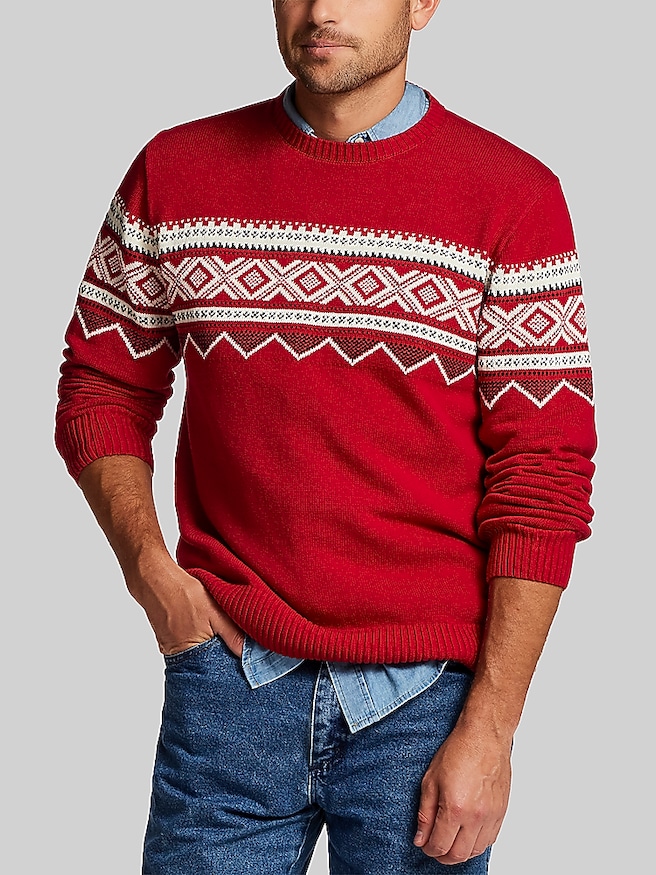
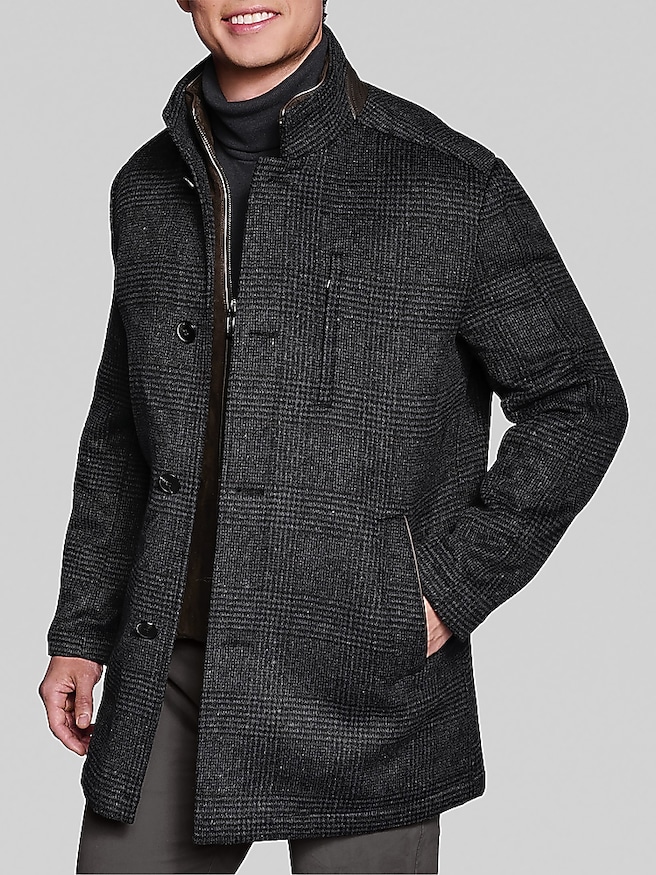
Fall accessories add texture, warmth, and a finished look to men’s clothing without requiring a complete change of wardrobe. Scarves, hats, gloves, belts, socks, and understated jewelry each serve a different purpose, from keeping exposed skin comfortable to giving familiar outfits a more deliberate appearance. Their appeal often comes from contrast: brushed wool against smooth outerwear, pebbled leather beside flannel trousers, or a softly patterned scarf worn with a solid coat. Autumn colors such as tobacco brown, burgundy, forest green, charcoal, and navy work comfortably with both tailored clothing and casual layers. Earth tones can soften a dark outfit, while a small amount of brighter color adds definition without competing with a patterned shirt or jacket. Texture matters just as much as color. Ribbed knits have a relaxed character, fine woven fabrics sit neatly beneath coat lapels, and supple leather develops a distinctive appearance through regular wear. For office clothing, accessories with a restrained pattern and a relatively smooth finish tend to complement the clean lines of a suit or sport coat. Weekend outfits allow room for thicker textures, more visible stitching, and less structured shapes. Neither setting requires every accessory to match exactly; similar levels of formality and a consistent color palette usually create a more natural result. Leather accessories in related brown tones, for example, can feel coordinated without looking like a packaged set. Proportion also influences the overall impression. A substantial scarf balances a heavier coat, while a slimmer scarf is less likely to crowd the neckline of a fitted jacket. Smaller patterns generally read as subtle from a distance, making them useful when the rest of an outfit already includes checks, stripes, or a textured weave. These details give fall accessories their versatility: they can add character to everyday clothing, support a polished dress code, or make a simple combination of trousers and knitwear feel complete.
Materials and fit determine how comfortable fall accessories remain through a commute, a day at a desk, or an evening outside. Wool is valued for insulation and moisture management, although its softness varies with the fiber and construction. Merino wool often feels finer against the skin, while cashmere offers a soft hand and warmth without much weight. Cotton can provide breathable comfort in lighter accessories, and blends may combine natural fibers with added stretch, shape retention, or resistance to abrasion. Fabric weight alone does not tell the whole story: a dense weave can limit airflow, while a lofty knit holds insulating air without necessarily feeling heavy. For scarves, enough length to drape or wrap comfortably matters more than an oversized appearance. A scarf that fills the entire collar can restrict movement or make a coat feel tighter than intended. Hats should sit securely without leaving an uncomfortable pressure line, and gloves need enough finger length for easy movement without excess fabric gathering at the fingertips. Bulky seams can become noticeable when gripping a steering wheel or carrying a bag, while flexible construction helps hands move naturally. Belts work best when their width suits the trouser loops and their fit leaves a manageable amount of strap beyond the buckle. At the lower leg, Fall Socks bring another opportunity to balance comfort, coverage, and personal style. A smooth toe seam, a heel that stays in place, and a cuff that holds without pinching all contribute to an easier fit. Thicker socks also take up more space inside footwear, so cushioning and shoe fit need to work together. Dressier combinations often benefit from a finer knit that sits smoothly beneath trousers, while casual footwear can accommodate more texture when there is sufficient room. Repeated colors between socks, a scarf, and a shirt can connect an outfit quietly, with only a glimpse of pattern visible when seated or walking.
Durability is especially important for accessories that are handled frequently, pressed against outerwear, or packed into a work bag. Even stitching, securely finished edges, and hardware that moves smoothly are useful signs of thoughtful construction. Leather may develop creases and a richer surface over time, but repeated soaking and direct heat can cause damage rather than an attractive patina. Knitted fabrics can form pills where fibers rub together, particularly around coat collars, under bag straps, or at the heels of socks. Some surface pilling is normal and does not automatically mean a fabric has reached the end of its useful life. Care labels provide the most reliable direction because blends, linings, dyes, and decorative details can change how an accessory should be cleaned. Gentle handling, thorough air-drying when appropriate, and storage away from concentrated heat help preserve shape and finish. Scarves and hats benefit from being completely dry before they are put away, while gloves keep their form better when they are not left compressed at the bottom of a bag. These practical details matter for accessories that move between indoor and outdoor settings throughout fall and into winter. A commuter may value warmth with minimal bulk, someone who travels frequently may prefer fabrics that recover well after folding, and a person attending a dressier dinner may appreciate a refined texture that works with tailored outerwear. Accessories can also make thoughtful gifts when the recipient’s habits guide the choice. Sensitivity to wool, a preference for muted colors, or a daily walk to the train can be more useful considerations than a passing trend. Scarves offer flexibility when exact clothing measurements are unknown, while gloves, belts, and socks call for closer attention to sizing. The most useful fall accessories suit the way someone actually dresses and moves through the day, offering comfort and visual interest without becoming another detail that needs constant adjustment.