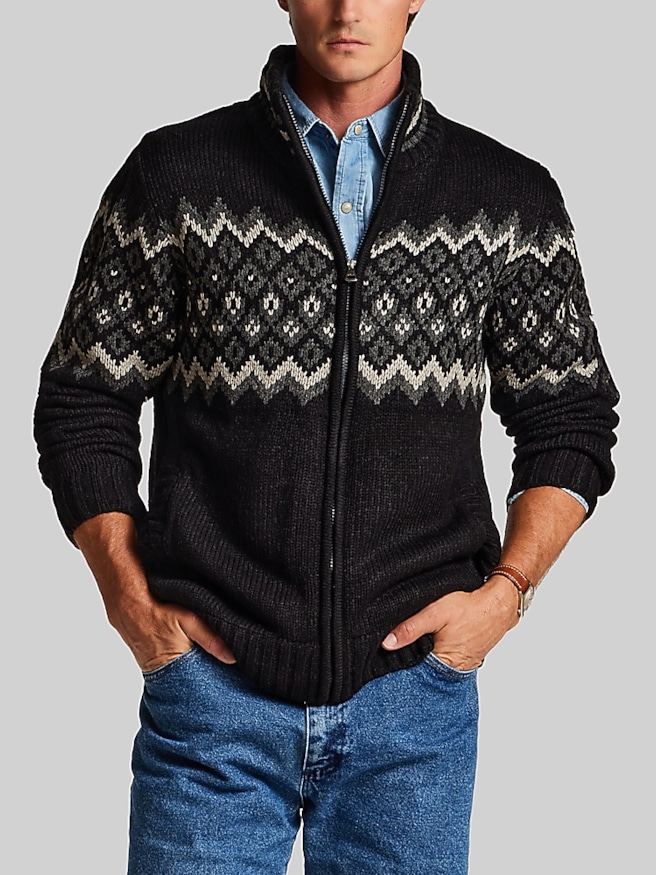
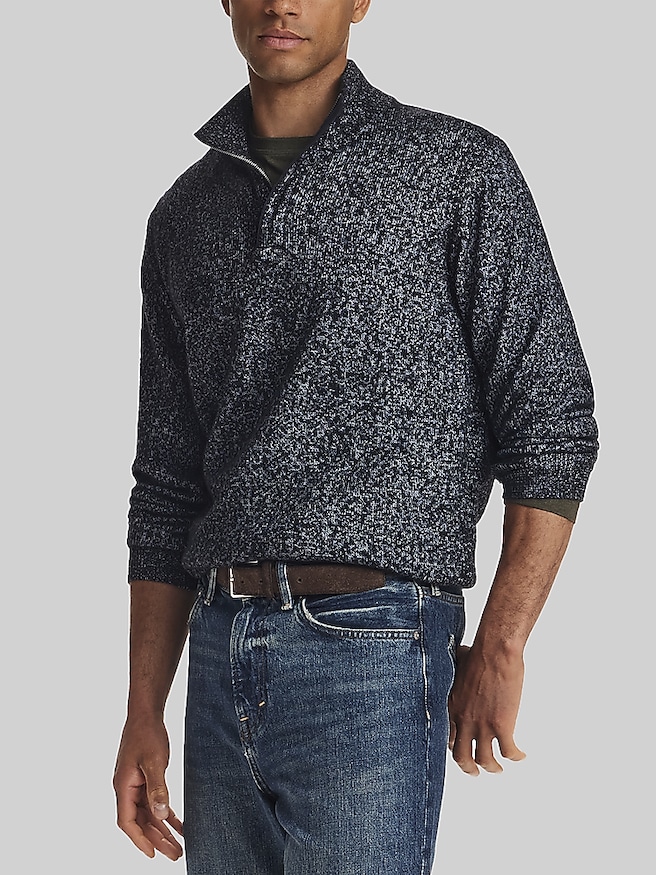
Autumn wardrobe essentials for men bring together comfortable layers, substantial fabrics, and versatile colors that work across office days, relaxed weekends, and evenings out. The foundation is clothing that feels appropriate on its own and fits comfortably beneath another layer: cotton shirts, lightweight knitwear, well-cut trousers, and outerwear with enough room for movement. Texture gives these everyday categories their seasonal character. Brushed cotton has a soft surface that feels comfortable against the skin, corduroy adds depth through its raised ribs, and wool brings warmth without requiring every layer to be thick. Fine-gauge sweaters sit neatly beneath tailored jackets, while more substantial knits have the presence to anchor a casual outfit with little else. Merino wool is often valued for its softness and ability to manage moisture vapor, though fabric weight and construction still influence how warm a garment feels. Cotton knits provide another option for indoor settings and milder autumn afternoons. Cashmere offers a soft hand and lightweight warmth, with care requirements worth considering alongside its feel. The most useful fall clothing also has a clear relationship between fit and function. A shirt should remain comfortable across the shoulders when reaching for a steering wheel, and a sweater should leave enough space for a shirt underneath without gathering heavily at the waist. Crewnecks create a clean, understated neckline; V-necks leave more of a collared shirt visible; and cardigans offer an adjustable layer for moving between a breezy sidewalk and a heated room. Navy, charcoal, camel, olive, and burgundy bring richness to an autumn wardrobe without making coordination complicated. A small-scale check or a subtle stripe adds interest alongside solid layers, while a mix of smooth and textured fabrics keeps similar colors from looking flat. These are practical qualities for men whose days include a commute, several hours indoors, and plans that continue after work.
Trousers and tailored layers give autumn outfits their shape, whether the setting calls for polished business clothing or something more relaxed. Wool trousers offer a refined appearance, cotton twill has an easy everyday character, and corduroy introduces a more pronounced texture that pairs naturally with simple shirting and knitwear. Fabric composition matters as much as appearance: a modest amount of stretch can support comfortable movement, while the weight and weave of the main fabric influence drape and structure. A clean fit through the seat and thigh allows sitting, walking, and climbing stairs without strain. At the hem, a slight break creates a traditional trouser line, while a shorter finish can give casual combinations a sharper outline. Dark-wash denim provides another dependable foundation, especially when the finish is understated and the fit leaves room to move without excessive fabric bunching around the ankles. Tailored jackets and sport coats add definition over these everyday foundations. Softly constructed shoulders tend to feel less formal, while more structured tailoring creates a distinct silhouette for business meetings or dinner reservations. Subtle herringbone, muted checks, and textured wool fabrics bring visual interest without requiring bold accessories. For autumn occasions that call for a suit, fabric weight and space for an overcoat deserve attention alongside the cut. A jacket that fits well over a dress shirt may feel restrictive with a substantial sweater underneath. Footwear provides the finishing balance between appearance and intended use. Leather loafers and lace-up shoes suit many polished settings, while ankle-height boots offer a more substantial profile with denim or heavier trousers. Suede contributes a soft, matte texture but benefits from protection appropriate to the material and extra care around wet pavement. Leather is not automatically waterproof, and sole traction varies by construction. For a day that includes walking across a damp parking lot before heading indoors, those practical details matter as much as the shape of the shoe.
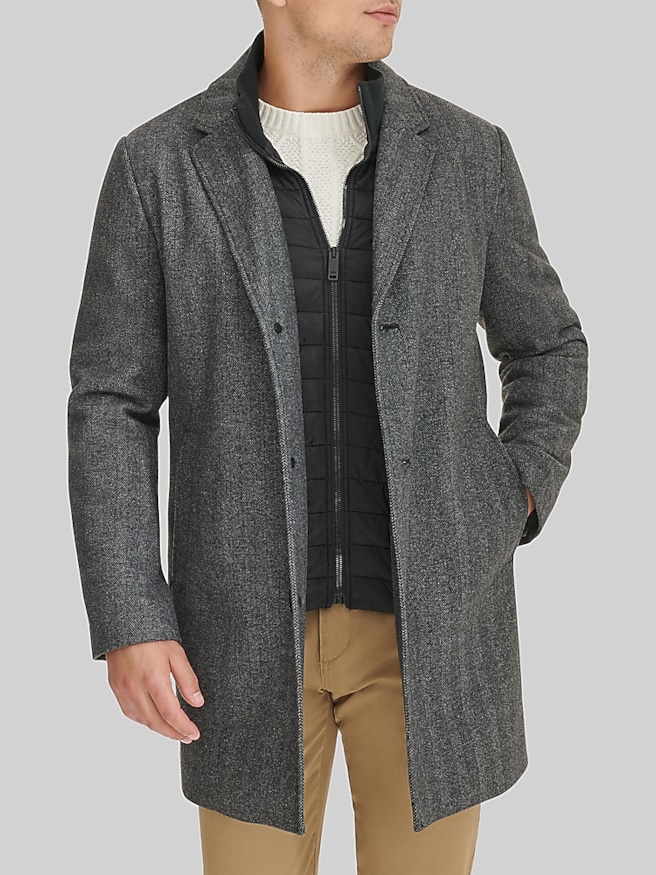
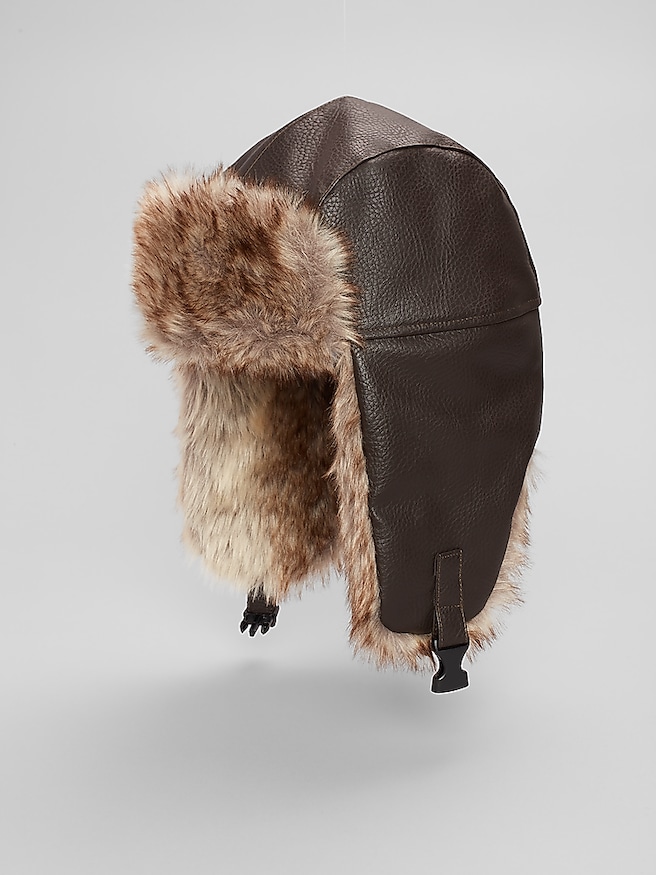
Outerwear completes an autumn wardrobe by accommodating the layers beneath it rather than simply matching them. A tailored wool coat creates a clean line over business clothing, while a shorter jacket can feel less cumbersome for driving and casual errands. Unlined and lightly lined options have a place in milder conditions; more substantial linings and insulated construction serve other needs as temperatures fall. Fabric descriptions deserve careful attention because a water-resistant finish is not the same as waterproof construction, and a dense wool blend offers a different kind of protection from a technical shell. Comfort also depends on details that are easy to overlook: sleeves that move freely over a sweater, pockets positioned within comfortable reach, and a collar that rests neatly whether open or fastened. Scarves, gloves, and substantial socks add useful warmth without changing the entire outfit. Their colors can echo a trouser or jacket rather than match it exactly, creating a coordinated appearance that still feels relaxed. For gifts, knitwear and accessories can be practical choices when the recipient’s preferred colors, fabric sensitivities, and care habits are known. A soft scarf may suit someone with a walking commute, while a lightweight sweater can fit a routine centered on offices and indoor gatherings. Longevity depends on everyday treatment as well as construction. Care labels establish whether a garment is washable or requires professional cleaning; sweaters generally benefit from folded storage, and tailored jackets need supportive hangers that preserve their shoulder shape. Allowing footwear to dry naturally between wears and brushing surface dirt from appropriate fabrics helps maintain their appearance. Pilling on knitwear does not necessarily mean the garment is worn out, though removal should suit the fiber and surface. Autumn layers can remain useful beneath heavier outerwear, and Winter Wear Essentials complements that foundation with a focus on clothing for colder conditions. The lasting appeal lies in comfortable proportions, considered materials, and pieces that earn repeated wear across familiar daily routines.